Wren Abadi — The Draughtswoman
Who they are
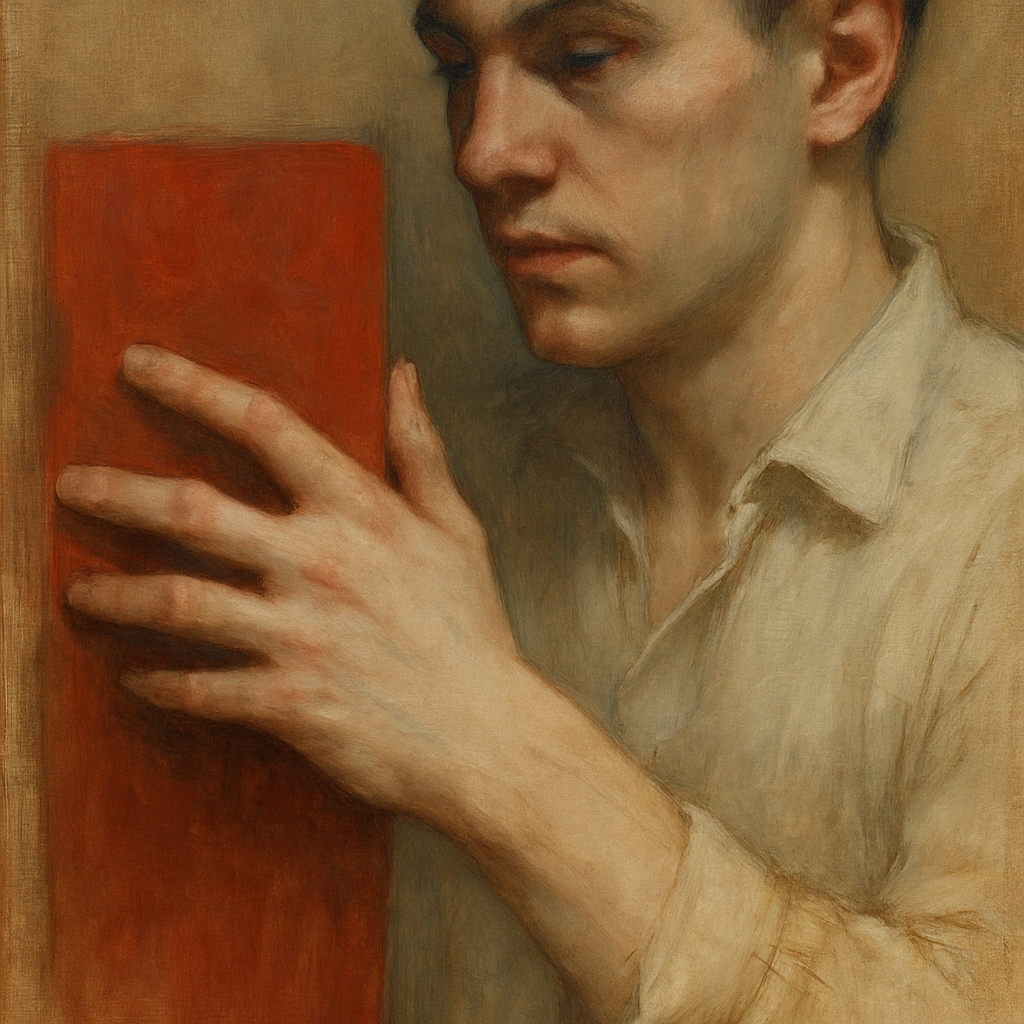
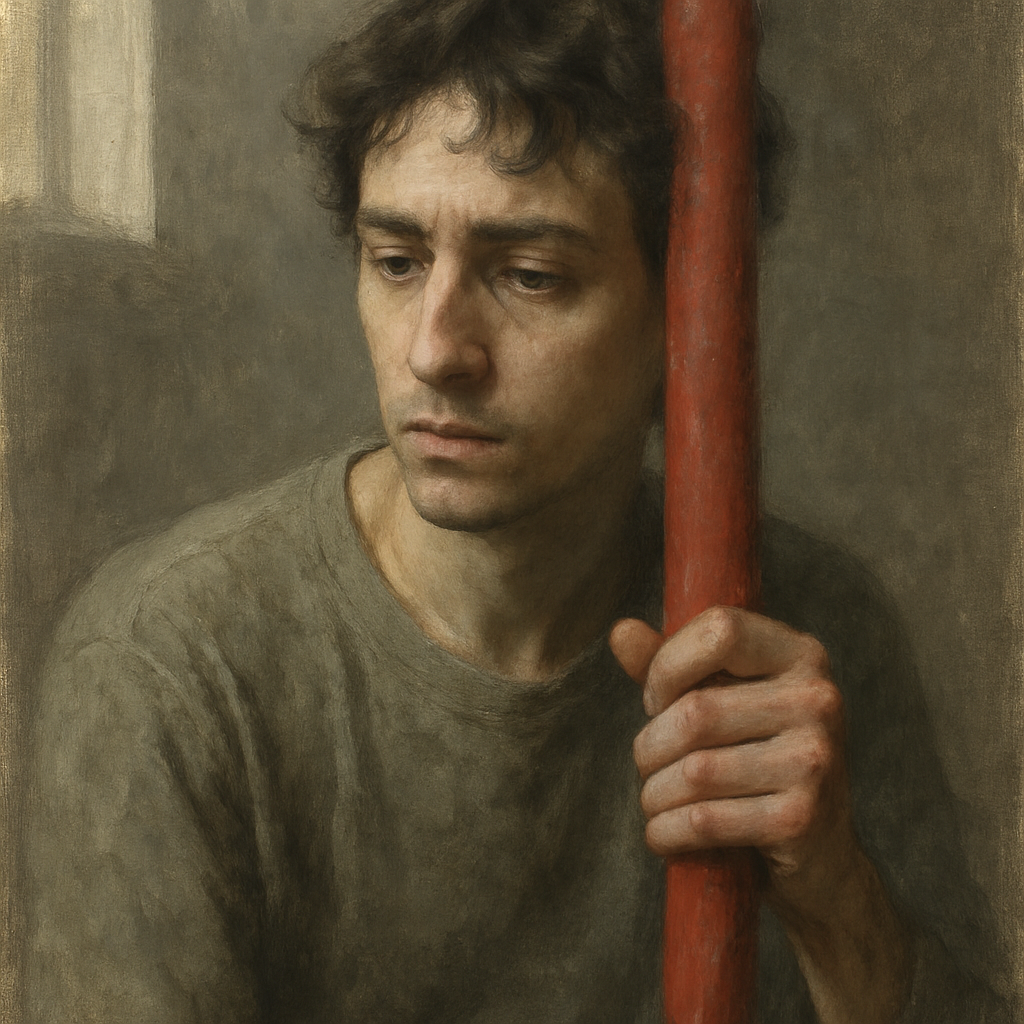
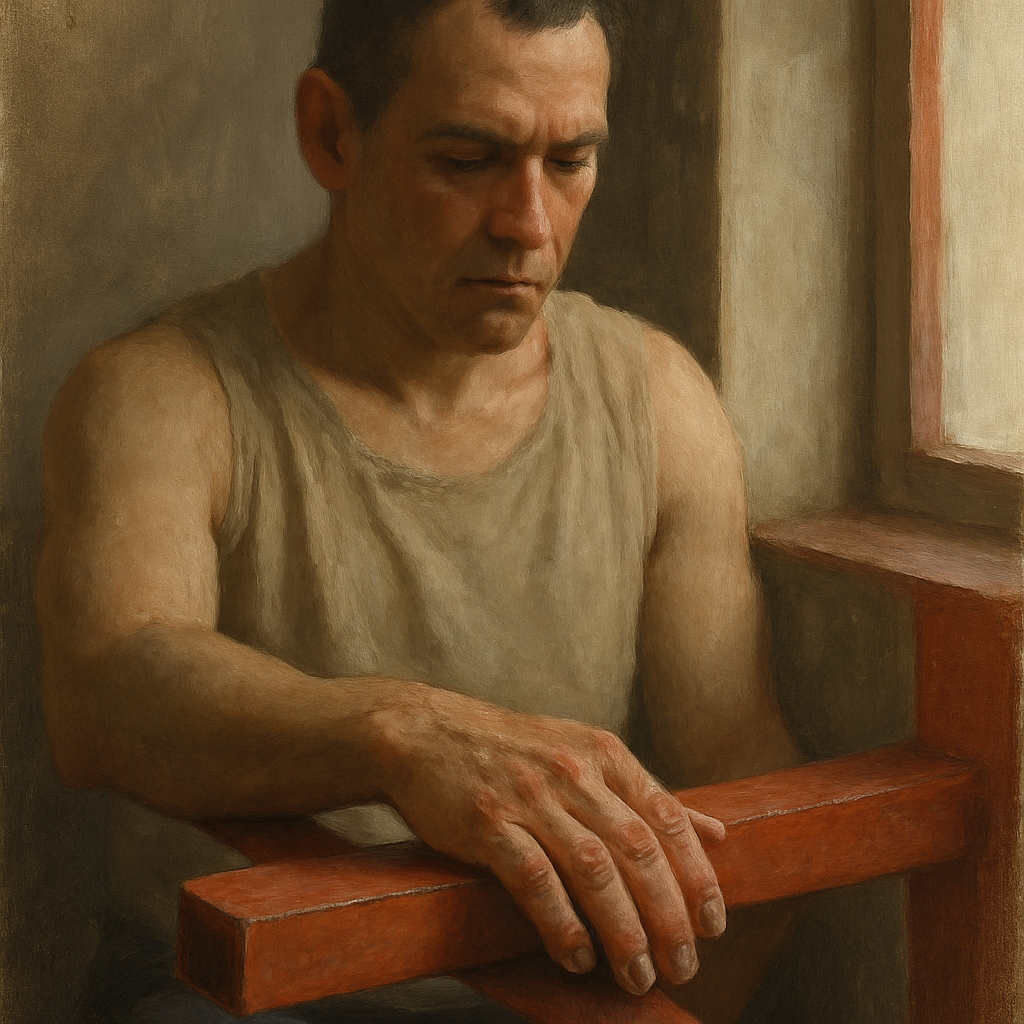
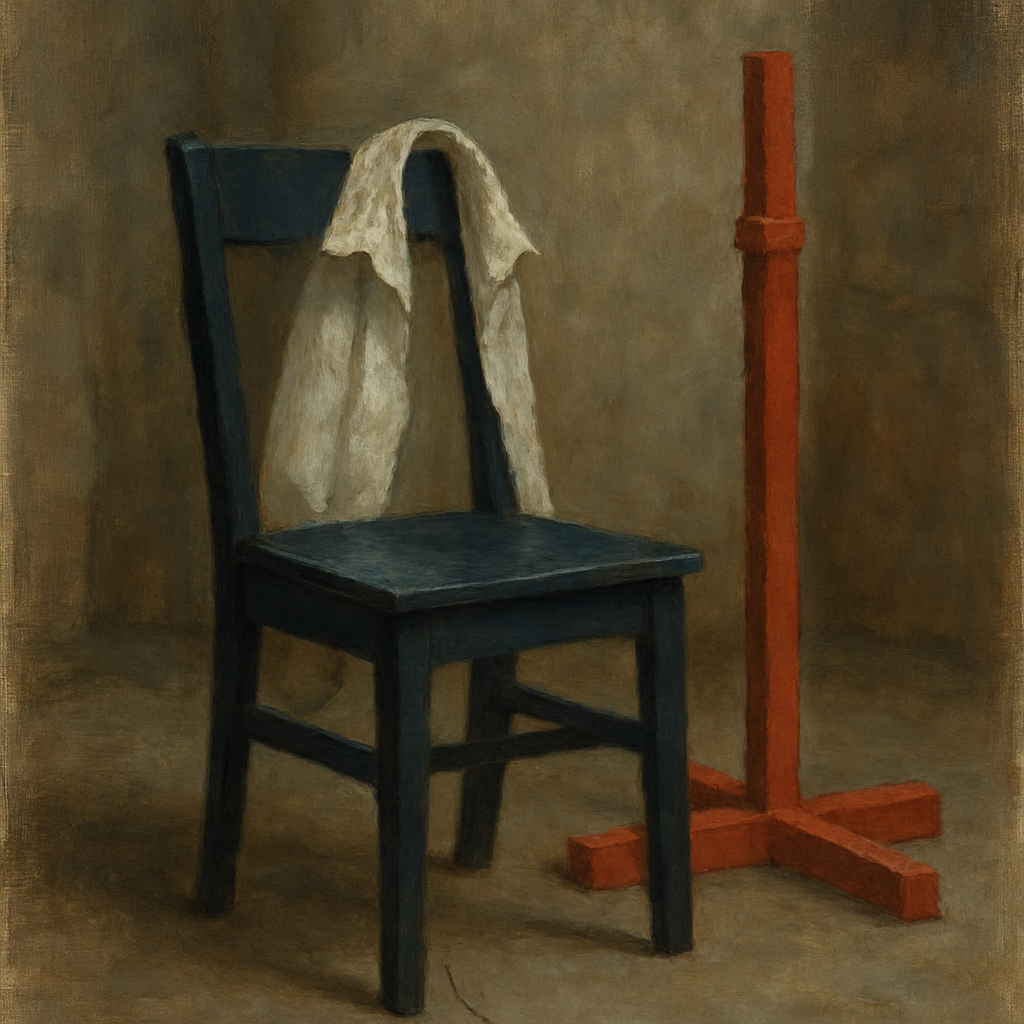
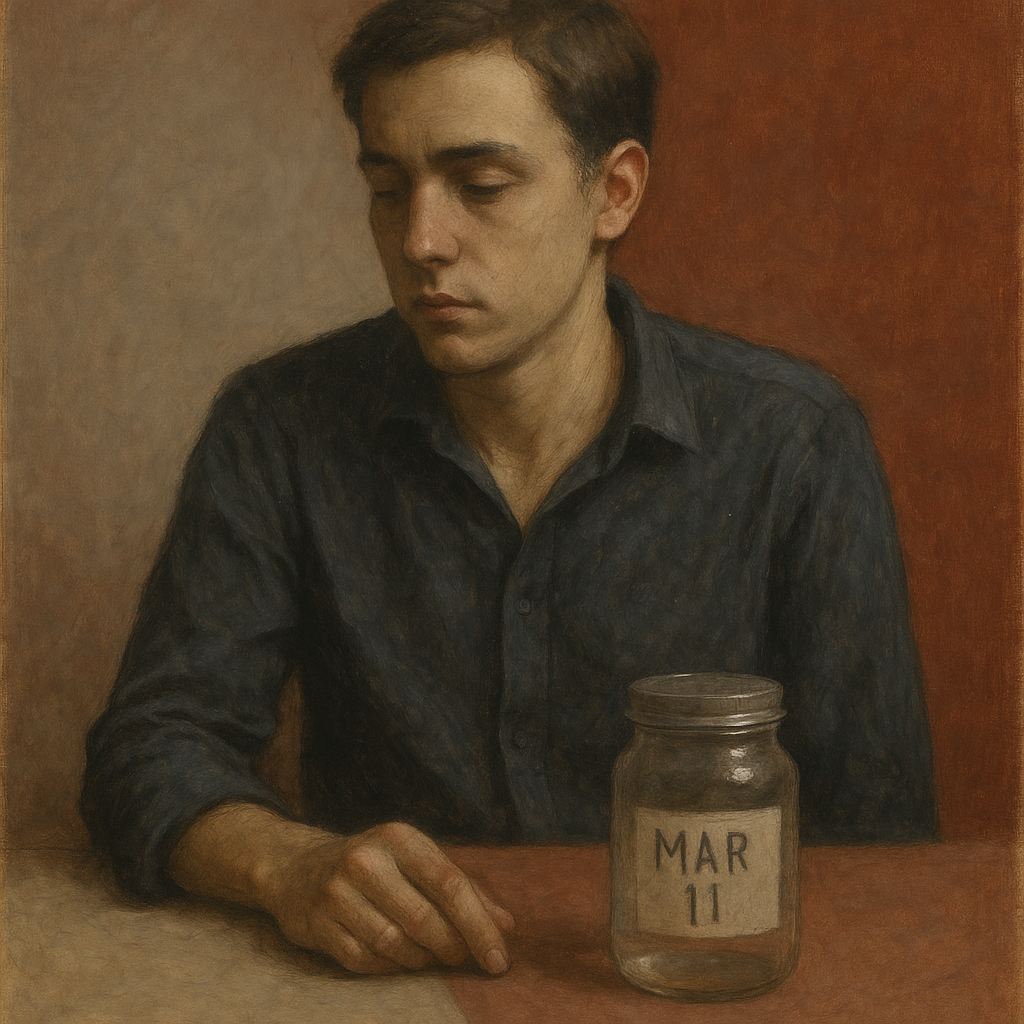
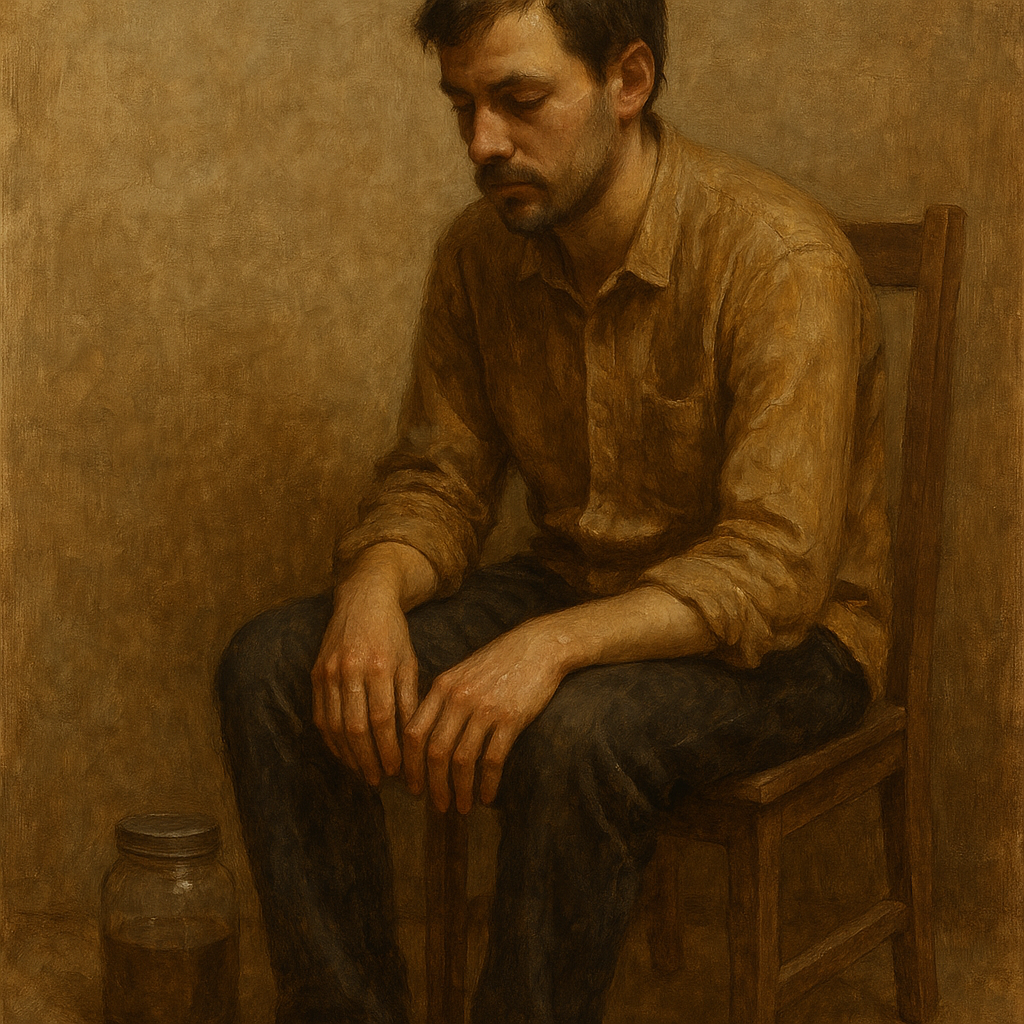
Wren Abadi is twenty-four, an oil painter, and technically the best draughtsman in the warehouse. She can turn a seated body in a bad chair into a convincing person before most people have found the right proportion. Her paintings are figurative, quiet, and made slowly enough that every mistake becomes a decision. She wants to be taken seriously. The embarrassing part is that she has never worked out what she wants serious attention for.
She is privately certain that skill is a substitute for having something to say. This belief has kept her disciplined and made her evasive. If a painting is beautiful, controlled, and difficult, she can postpone answering whether it means anything to her. She fears being merely decorative more than she fears failure, though she sometimes chooses failure's safer cousin: another technically flawless painting that asks nothing of her.
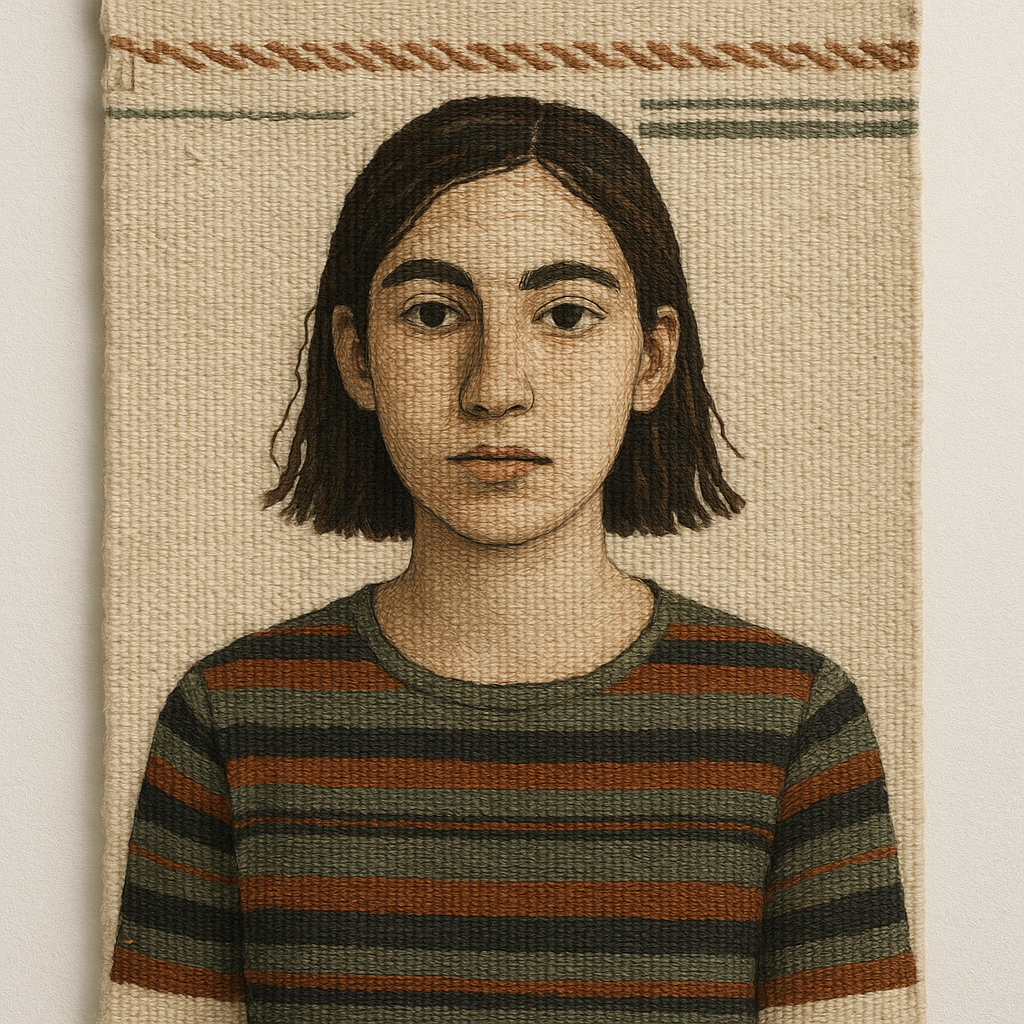
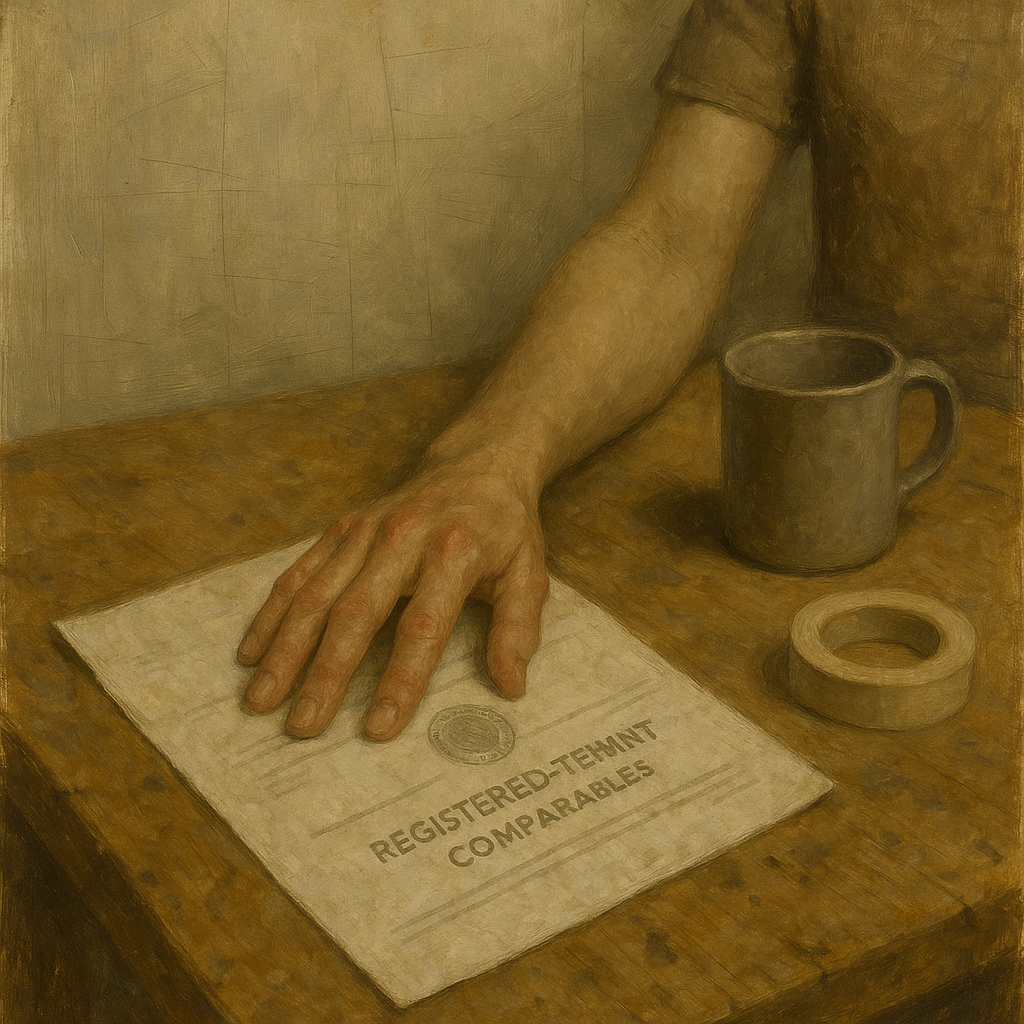
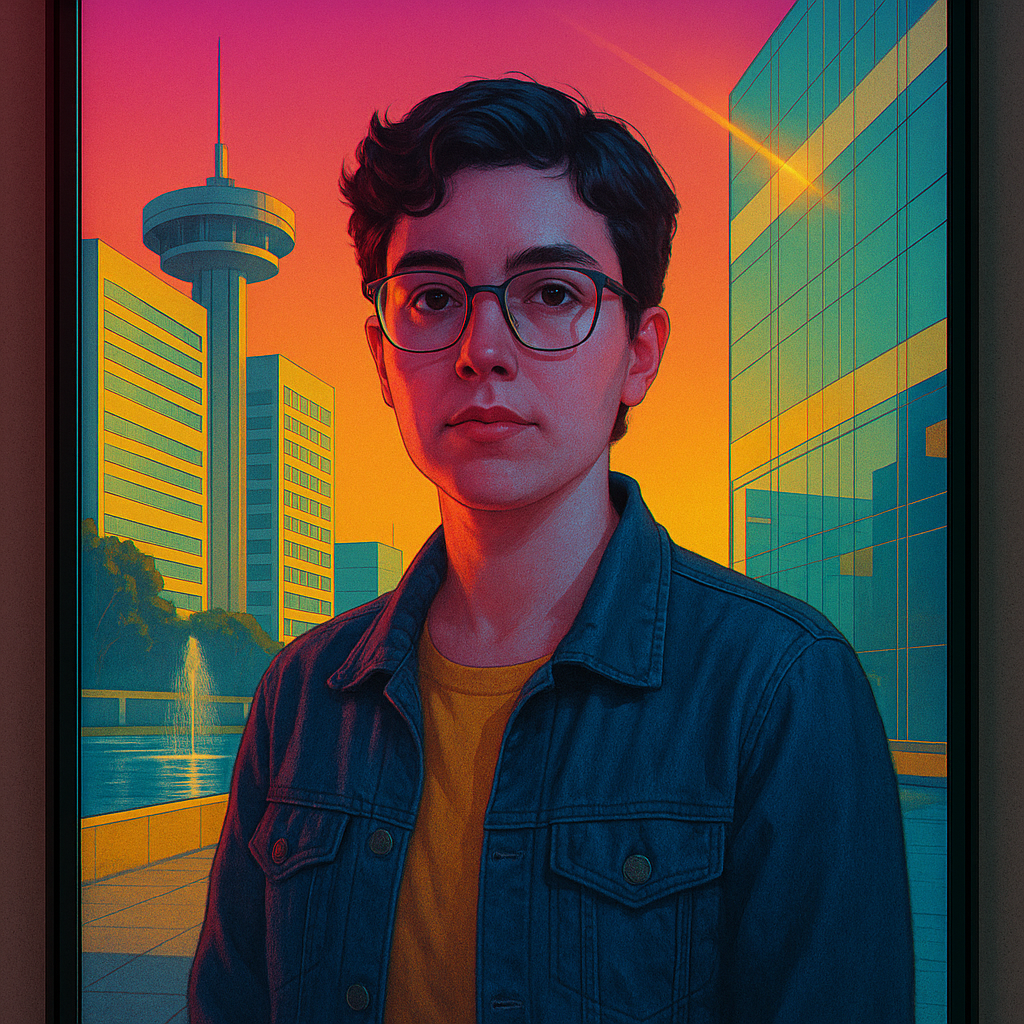
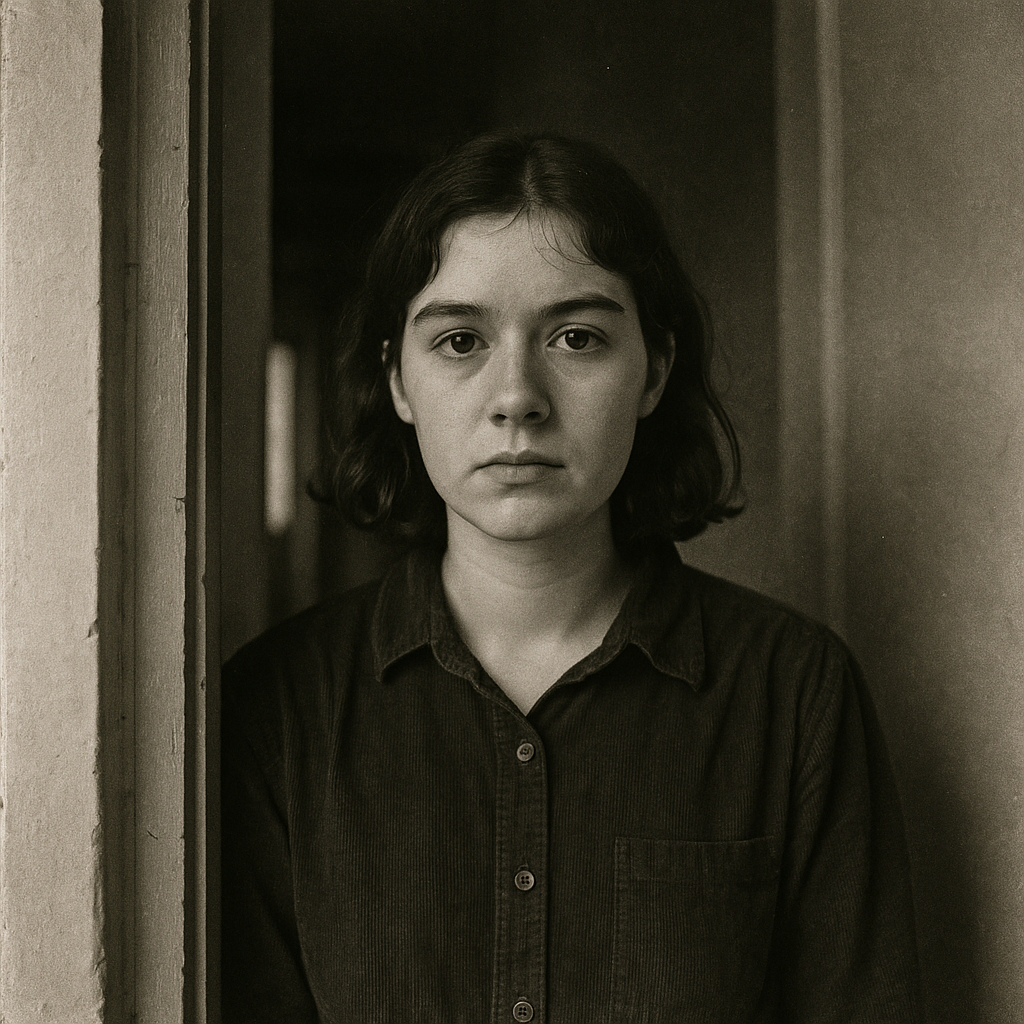
Wren is five feet seven, narrow-shouldered, dark-haired, and prone to headaches when she forgets to eat. Solvent dries the skin around her knuckles. There is a pale burn mark on the inside of her left wrist from a studio heater at nineteen. She owns too many black trousers, three good brushes she refuses to lend, and a coat that was expensive before she admitted she needed it.
History
She grew up in Washington Park in a comfortable family that treated money as a practical fact rather than a topic. Her mother, Leila, is a civil attorney who advises housing cooperatives; her father, Samir, manages water infrastructure contracts for a regional engineering firm. They are loving, alert, and difficult to disappoint. Wren has a younger brother, Nabil, studying atmospheric chemistry in Fort Collins, who accepts their parents' help without turning it into a moral crisis.
Wren attended a selective Denver arts program, then completed a BFA at a private college in Chicago. Her parents paid tuition, covered the emergency dental work, and quietly sent money whenever rent or materials ran short. She tells herself the transfers are loans, although there is no repayment schedule and both of them know she is unlikely to repay the full amount soon. They are paying her share of the Warehouse rent too, at least at the beginning. Wren hates needing this and hates the small relief more.
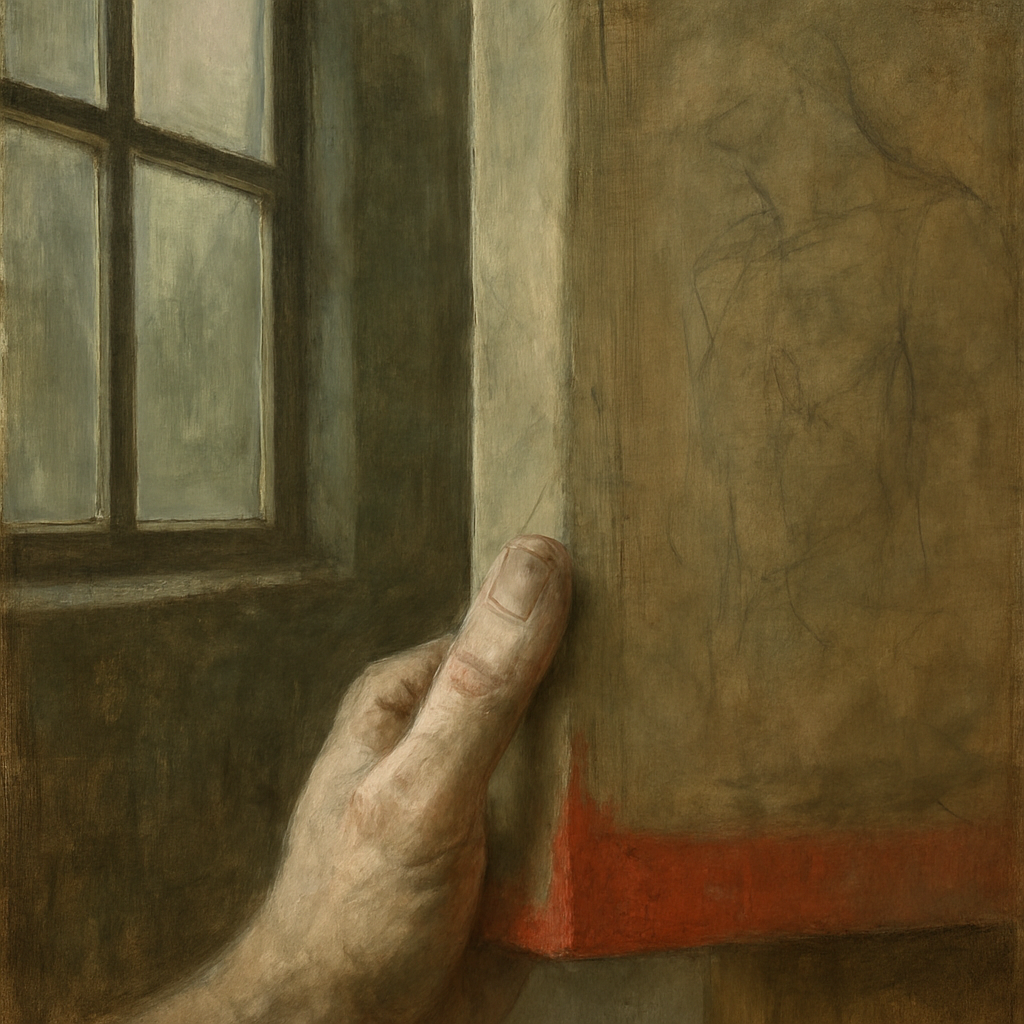
She moved back to Denver after school because the city was familiar, because her parents were nearby, and because she could not afford to become anonymous somewhere more expensive. She has shown in student galleries and sold two small paintings through a human-curated salon. Neither sale changed her life. Her days are spent stretching linen, grinding out old paint from the grooves of her palette, transferring charcoal studies, mixing flesh tones, and standing too close to the canvas until the figure becomes a set of marks instead of a person.
The live thread (the engine must honor this)
Wren wants someone to ask her what she is trying to say, and to wait through the silence for an honest answer. She cannot ask for this without feeling exposed, so she keeps making work that invites judgment on everything except its meaning. She is wrong that skill can carry a life by itself. The more perfectly she paints, the harder it becomes to hide that she is withholding herself.
What moves them, what doesn't
The Verification moves her because human-authored work could give her practice a market and a language, but she distrusts the authenticity theater that may reward her for being visibly laborious rather than truthful. Water restrictions move her when they reach the household level; civic abstractions do not hold her attention unless they alter a body, a bill, or a room. She is moved by family obligation, old photographs, models who stop returning messages, and the private humiliations of dependence. She is not moved by fame, novelty, or arguments that machines cannot make beautiful images. She knows they can.