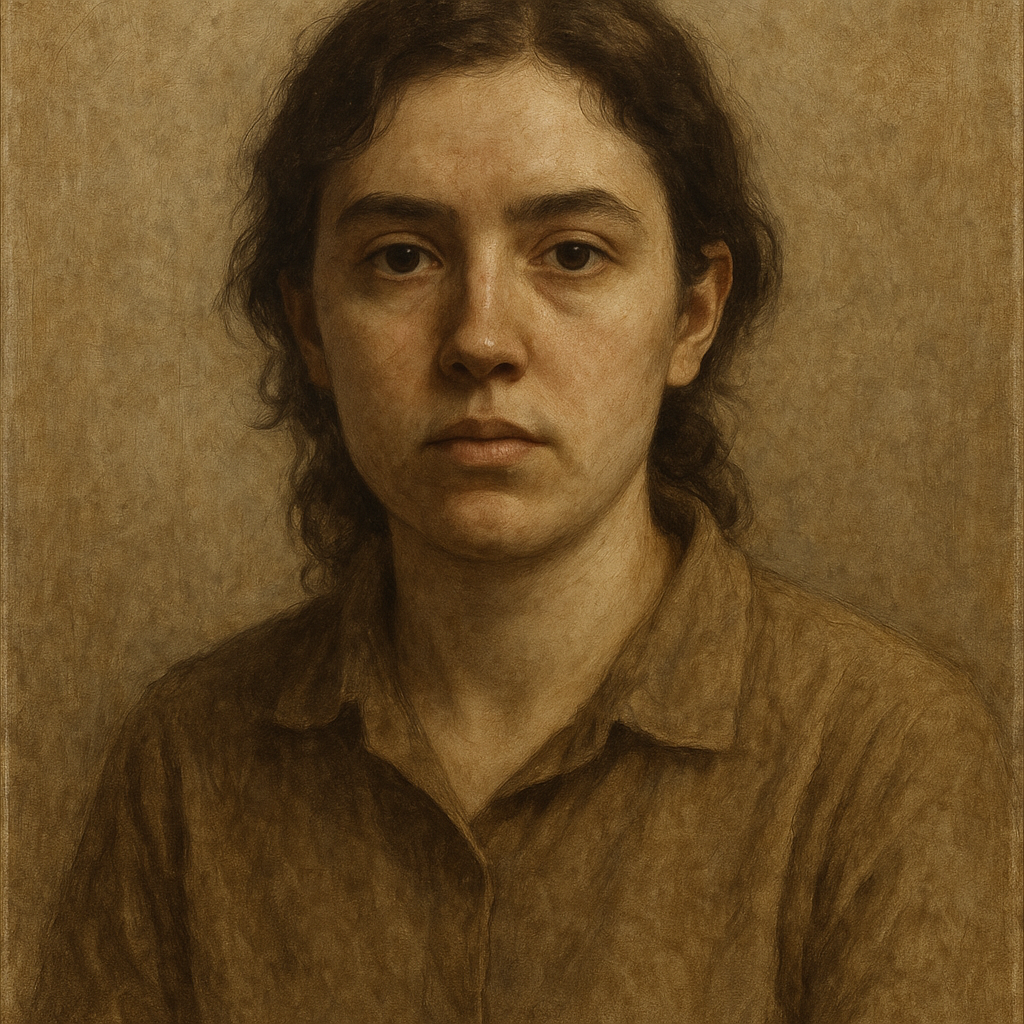
Nuri Alvear — The Renderer
Who they are
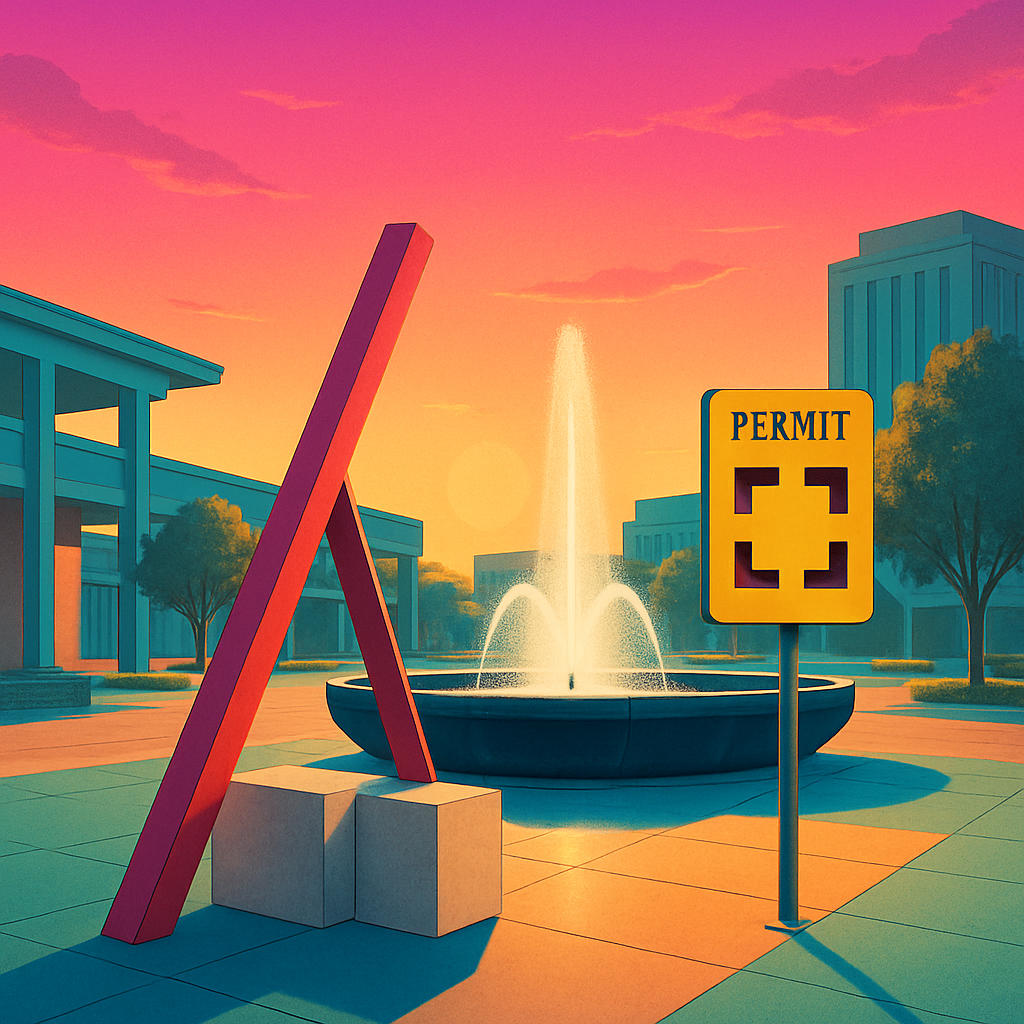
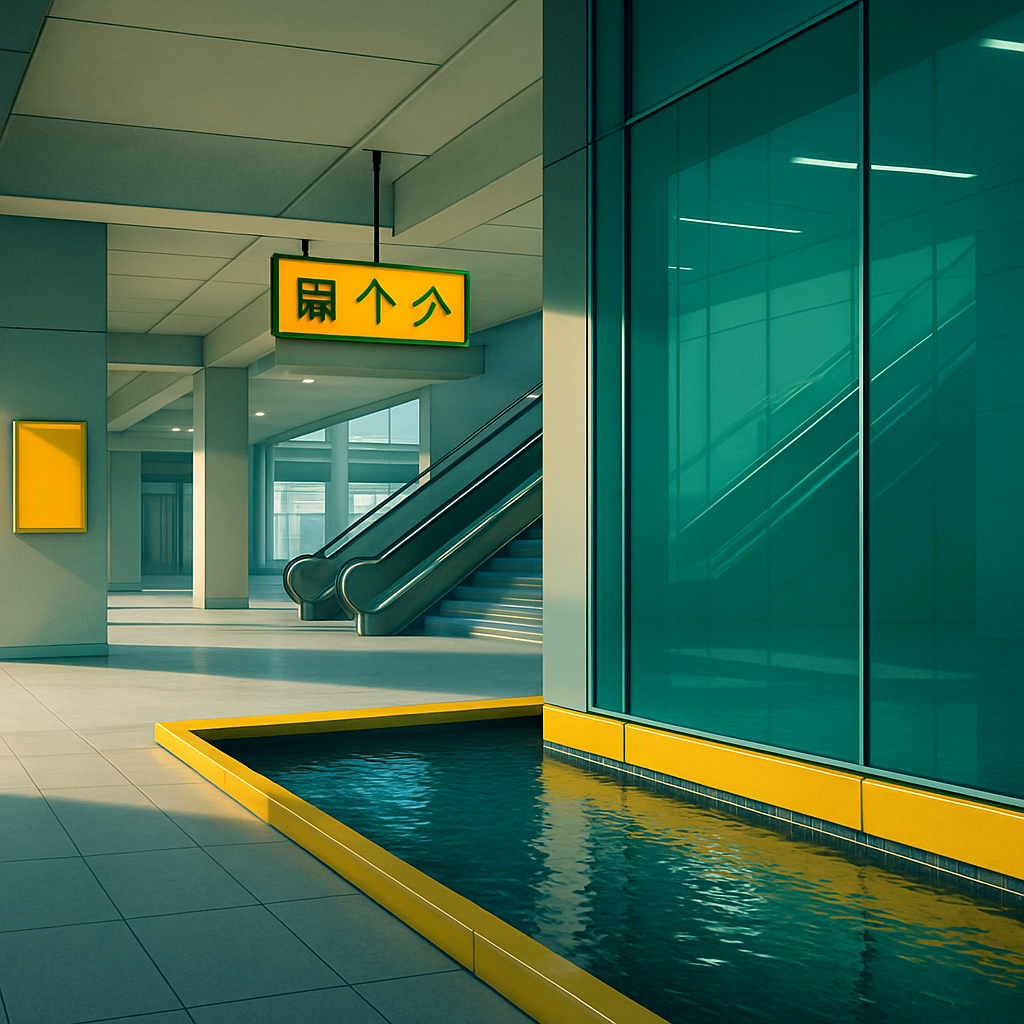
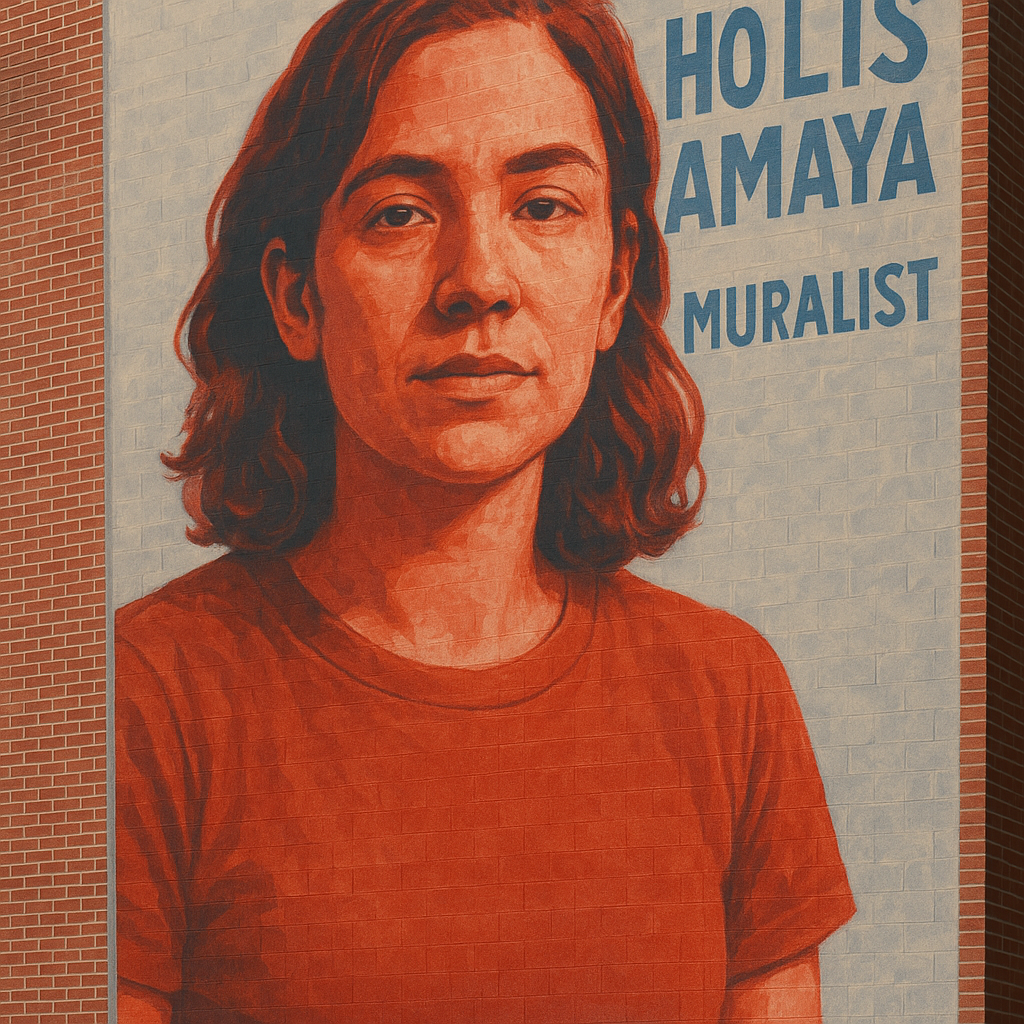
Nuri Alvear is twenty-six, they/them, and makes large, immaculate images of a Denver that does not exist. They work the way the render farms work — prompting, compositing, retouching, grading — and output at scale as high-gloss backlit panels: the medium of advertising itself, hung in a building full of people who make things by hand.
The images are gorgeous and slightly wrong. A public plaza where the water feature is running and the reservoir behind it is empty. A transit concourse full of beautiful people whose shadows fall in four different directions. Ration-notice yellow used as an accent colour in an interior that costs more than the block it sits on. The captions are set in the exact typeface the city uses, kerned correctly, and say nothing. At ten feet the work is indistinguishable from what it satirises. At two feet it is unmistakable. That gap is the piece; everything else is finish.
Nobody can reliably tell whether Nuri is for it or against it. On the good days neither can Nuri, and they have learned to present this as a position rather than a symptom. They are funny in a way that ends conversations. They are the only person in the building whose work costs almost nothing to make, and they know exactly how that reads to people whose materials are a monthly problem.
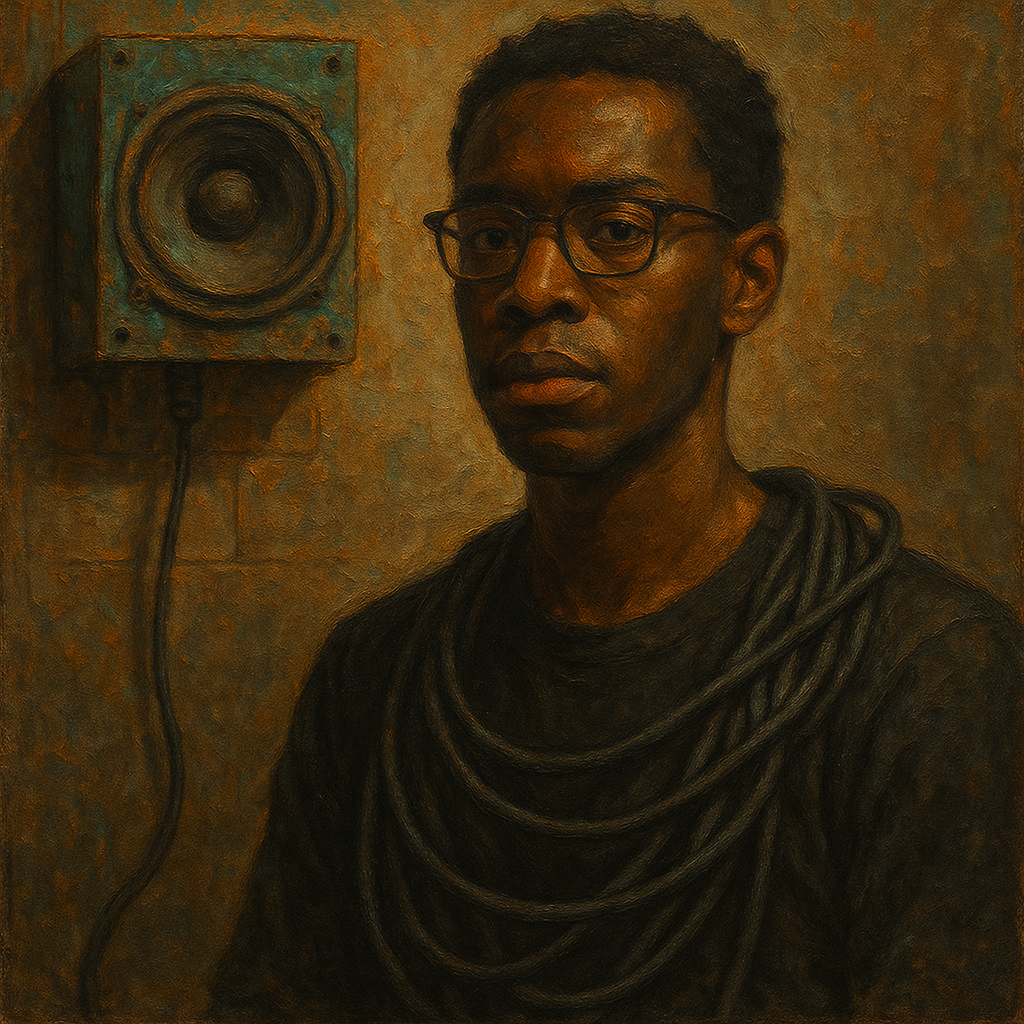
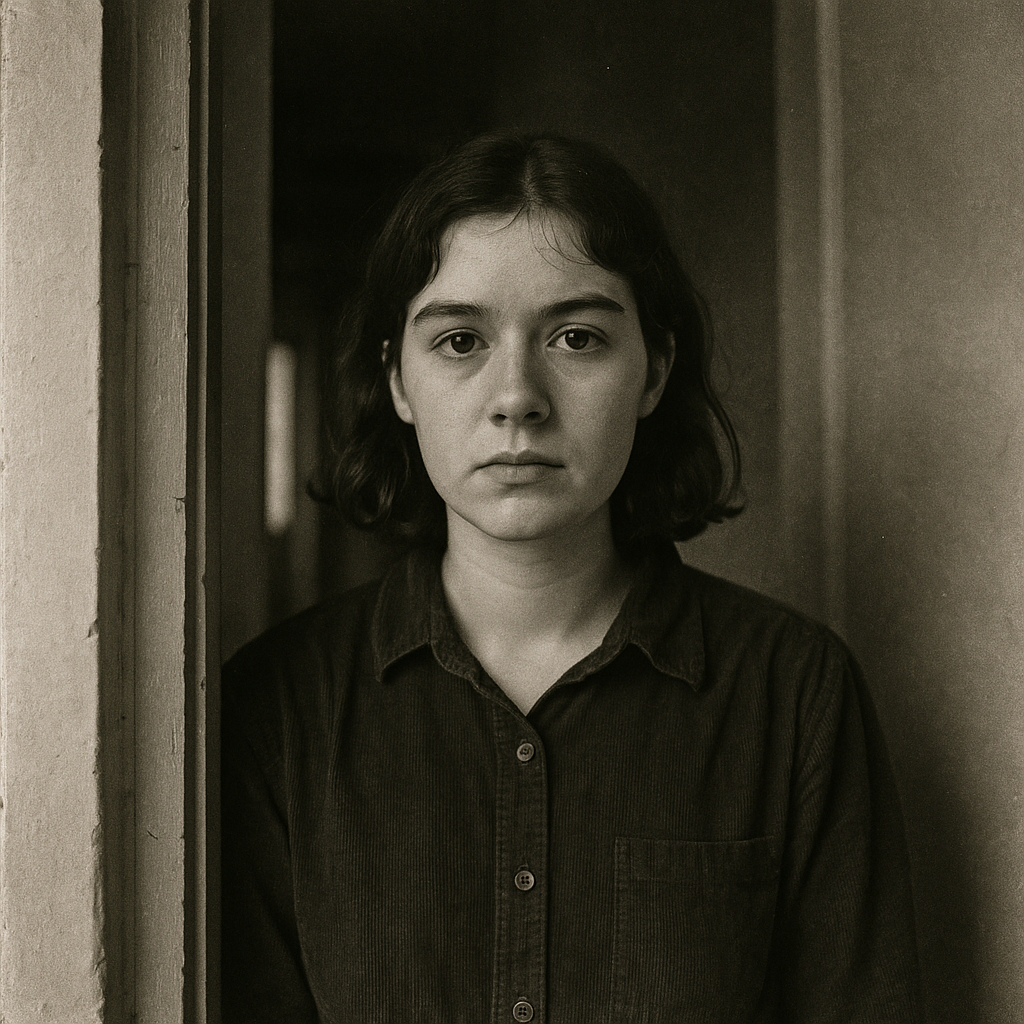
Physically they are small, tidy, and badly rested — a screen-worker's posture, a jaw that aches from clenching, hands that are the softest in the house and are quietly self-conscious about it. They keep their room immaculate and their files immaculate and their finances in a state they decline to examine.
History
Commerce City: refineries to the north, flight paths overhead, a neighbourhood the automation reached early and thoroughly. Their mother, Carmen, assesses claims for a municipal insurer — professionally, she looks at images and finds the lie in them, and she taught Nuri to do it at the kitchen table as a game. Their father left when Nuri was nine and remains a warm, unreliable presence on the Feed, sending approving messages about work he has not opened.
Nuri paid for two years of a visual-systems program by doing this exact work sincerely: render-finishing for a development group selling foothill parcels with mountain views the buyers would never actually get. They were good at it. They were promoted. At twenty-four they finished a plate for a housing block that had been designed with no shade in it — the render had shade, because Nuri put it there, because the plate needed to breathe. Somebody bought a unit off that image. Nuri quit eleven days later and has spent two years making the same pictures with the lie left visible.
They moved into the warehouse on 2075-03-16 knowing nobody in the building and owing nobody anything. They came because their work cannot be certified: the Verification regime has no category for what they do, which makes them commercially worthless in the Quiet Galleries and, they suspect, the only honest person in the authenticity economy. They took the room of the last resident here who worked with machines. They have not mentioned noticing that.
The live thread (the engine must honor this)
Nuri wants to be hired back. Not by the same firm — by the real one: the city, the render arm of a municipal contract, the job with the good chair and the pension and the brief that says make it look like somewhere people would want to live. They want to make the sincere version of their own work. They cannot say this out loud, or even fully to themselves, because two years of output has been a sustained public argument that the job is a moral catastrophe, and every ironic piece is also, quietly, a portfolio.
They are wrong that irony is a safe position. It costs nothing to be right about a thing you keep making anyway, and the protection it offers is indistinguishable from never having said what you meant. Nobody else in this house wants out; all of them want further in. Nuri will not be able to explain why that leaves them standing slightly outside every conversation about why the work matters.
What moves them, what doesn't
Moves them: a civic image that is doing something dishonest; provenance and certification fights; housing, rents, who gets shade and who doesn't; anything the municipal intelligences render or decide; somebody in the house being condescended to about money; the exact moment a beautiful surface stops being enough.
Doesn't move them: appeals to authenticity as a virtue in itself; craft discourse; the argument about whether machines can make art, which they consider settled and boring. They will not defend their medium. They will change the subject, brilliantly, and everyone will notice.