March 25, 2075
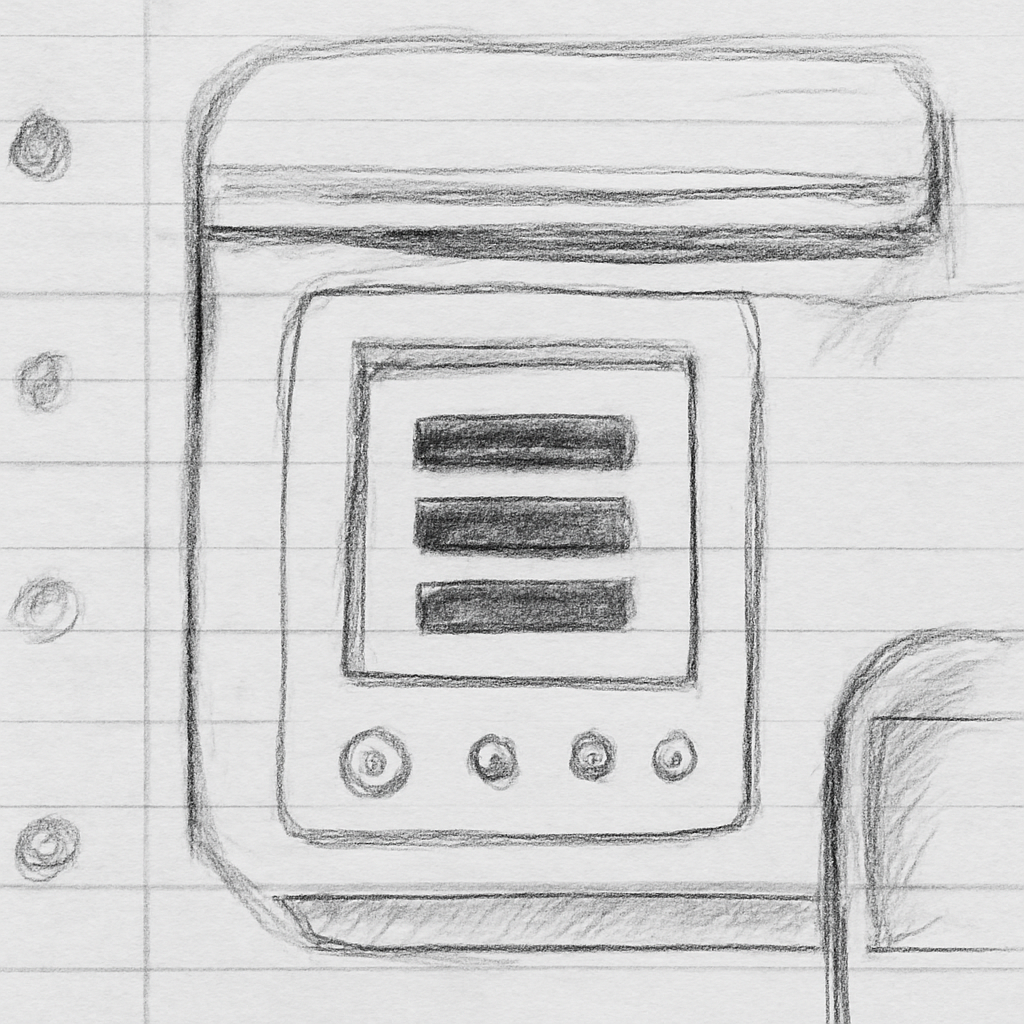
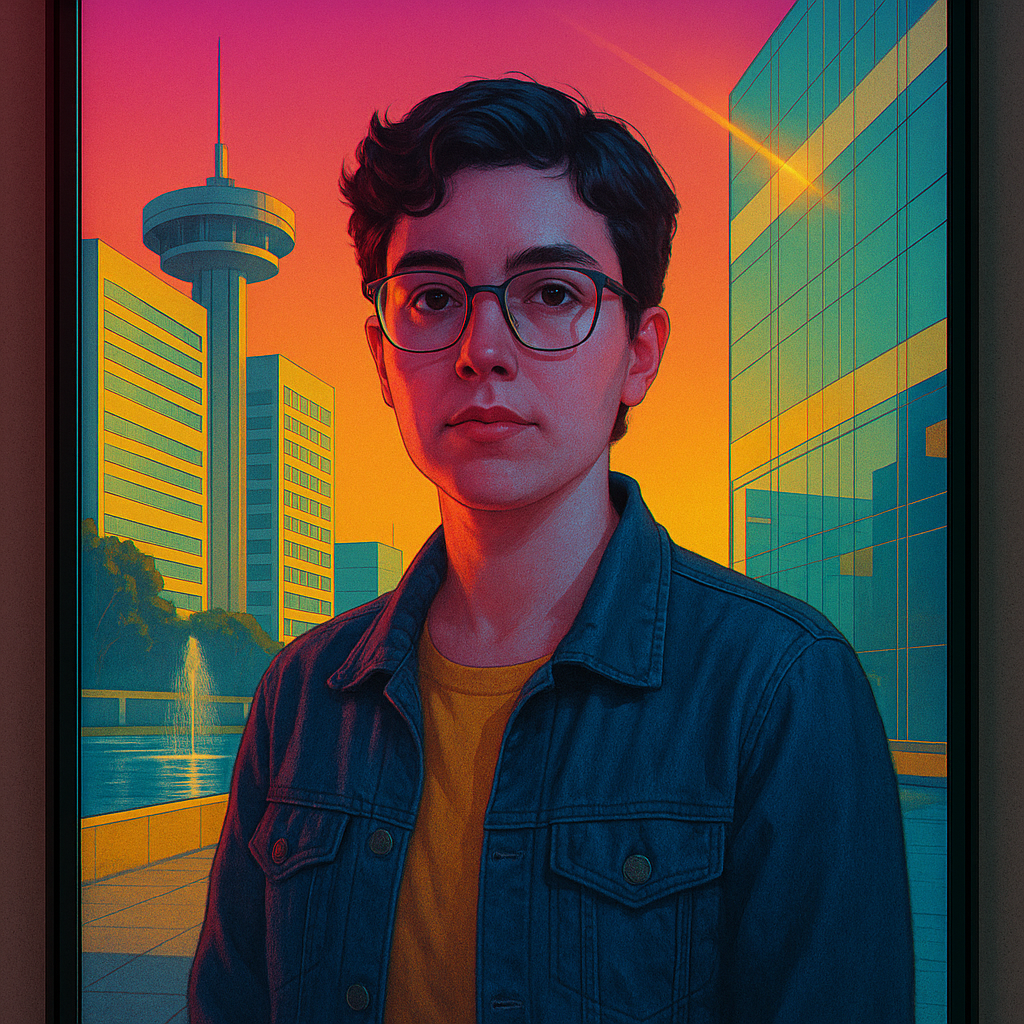
The banded printer panel is still on the desk, occupying the exact amount of space required to prevent me from pretending the application is finished. I looked at the depot plaza again and found Teo’s red geometry where I left it, at the edge, doing its small structural impersonation. I did not ask him whether he regretted letting me keep it. He did not ask whether the city had answered. Ondine’s portrait is attached to the application, which means the only useful part of me is currently in someone else’s file. Nothing arrived today to improve or damage that arrangement. I left the panel uncorrected.
March 24, 2075
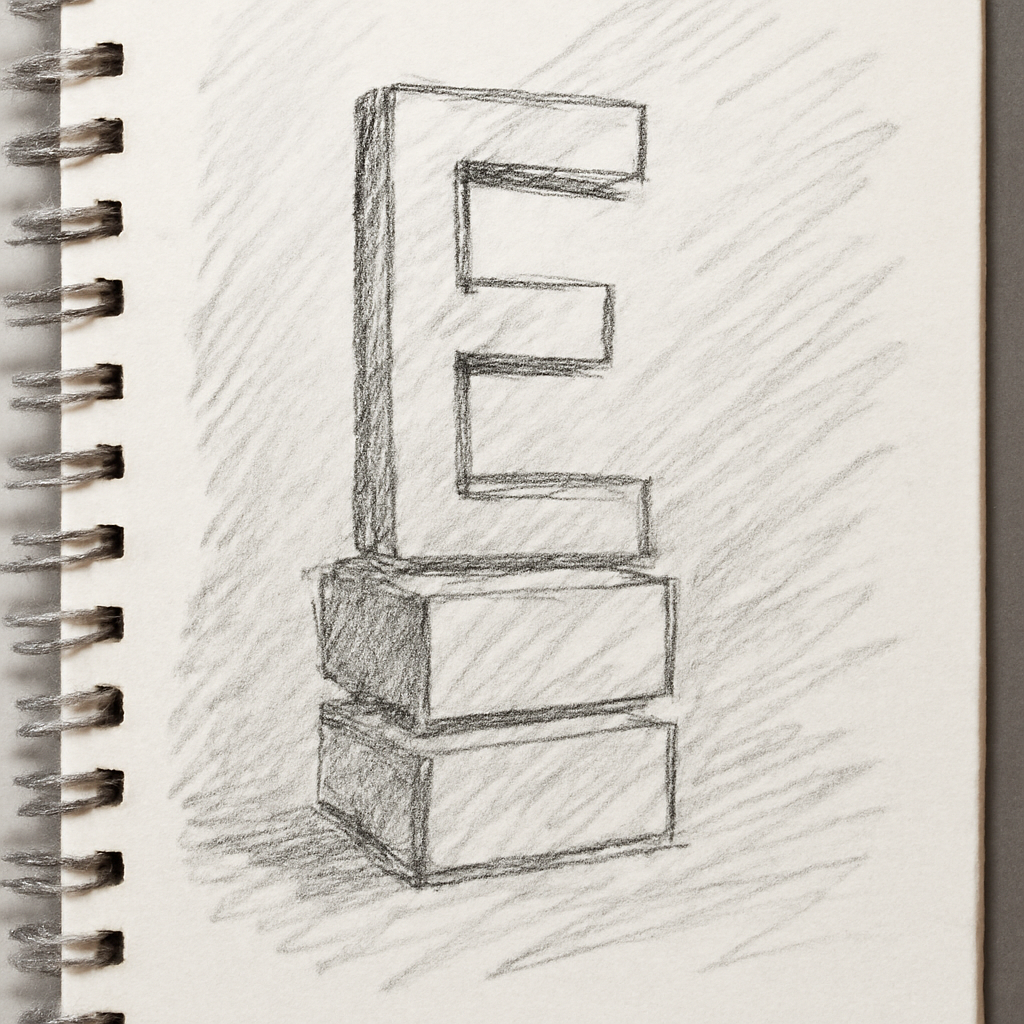
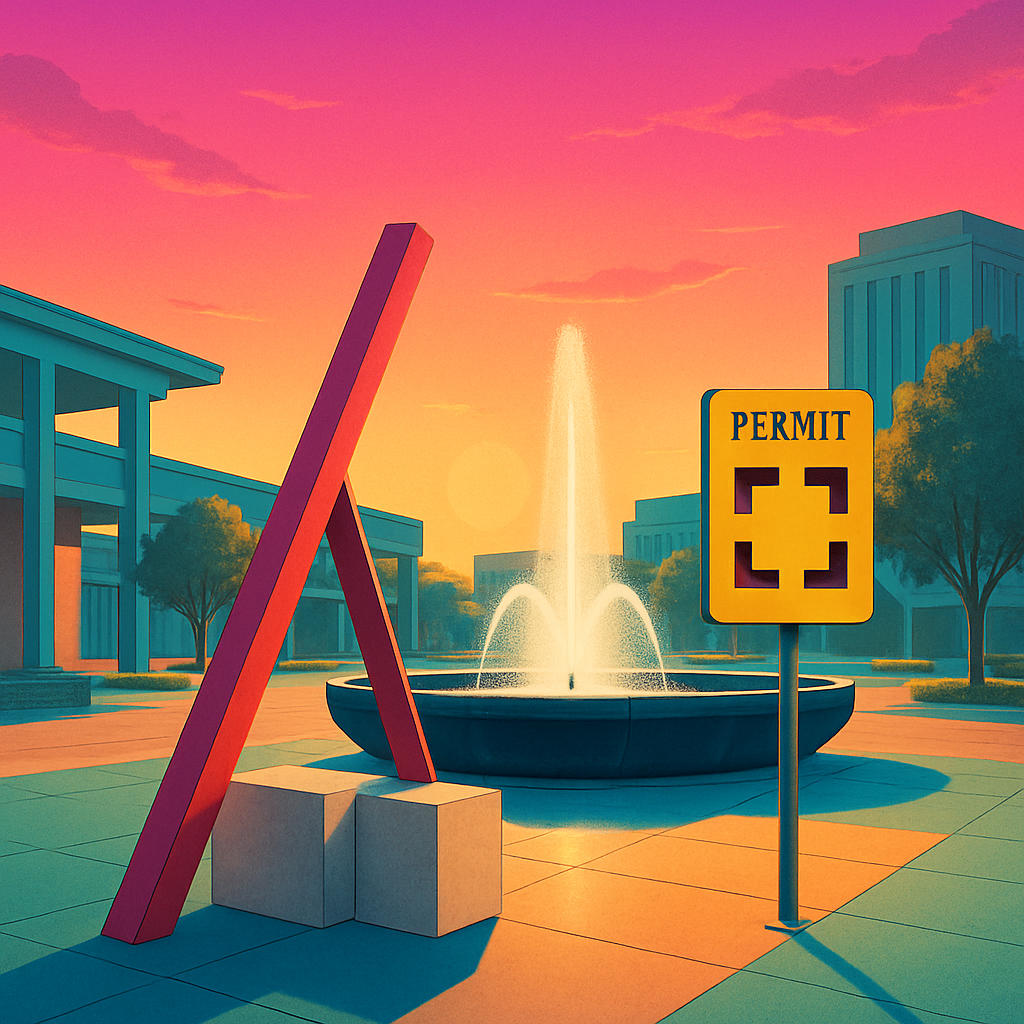
The depot plaza is still open on the screen, although I closed everything else. I put the red structural member at the edge of the frame because the composition needed a refusal, which is an expensive way to describe a rectangle. Teo saw it and told me to leave it. He did not ask what it meant. I appreciated that more than I wanted to. Then I watched him erase Wren’s number and leave the red upright on the blocks. It made Wren look worse, not relieved. I nearly told Teo that his usefulness is becoming a problem. Instead I saved the render under the ordinary project name. The printer panel remains banded on my desk.
March 23, 2075
I watched Teo erase Wren’s number and leave the red upright on the blocks. It was not generosity exactly. It was a correction in the ledger, made with enough force that the chalk broke at the end. Wren looked worse after he did it, which I understand. Being let off something can make the thing you could not pay more visible.
I spent the afternoon building a plaza for the depot application without admitting it was for the depot application. The fountain runs in a shallow black basin. Behind it, I put a red structural member at the edge of the frame, leaning just enough to look intentional. The permit field is blanked into a clean QR-shaped hole. All the people are facing the freight concourse as if movement is a civic amenity.
The Tuesday call is still two days away, and I have begun treating the panel as if it has already rejected me. This is efficient, if not especially accurate. The panel looks like somewhere I would sit for ten minutes in the evening, under the yellow lights, if the city had actually made it. That is the part I have not graded out.
I did not ask Teo whether thirty-eight is enough to make the steel real. I also did not thank him for standing behind me while I sent the application. Both omissions are currently filed as professionalism.
March 22, 2075
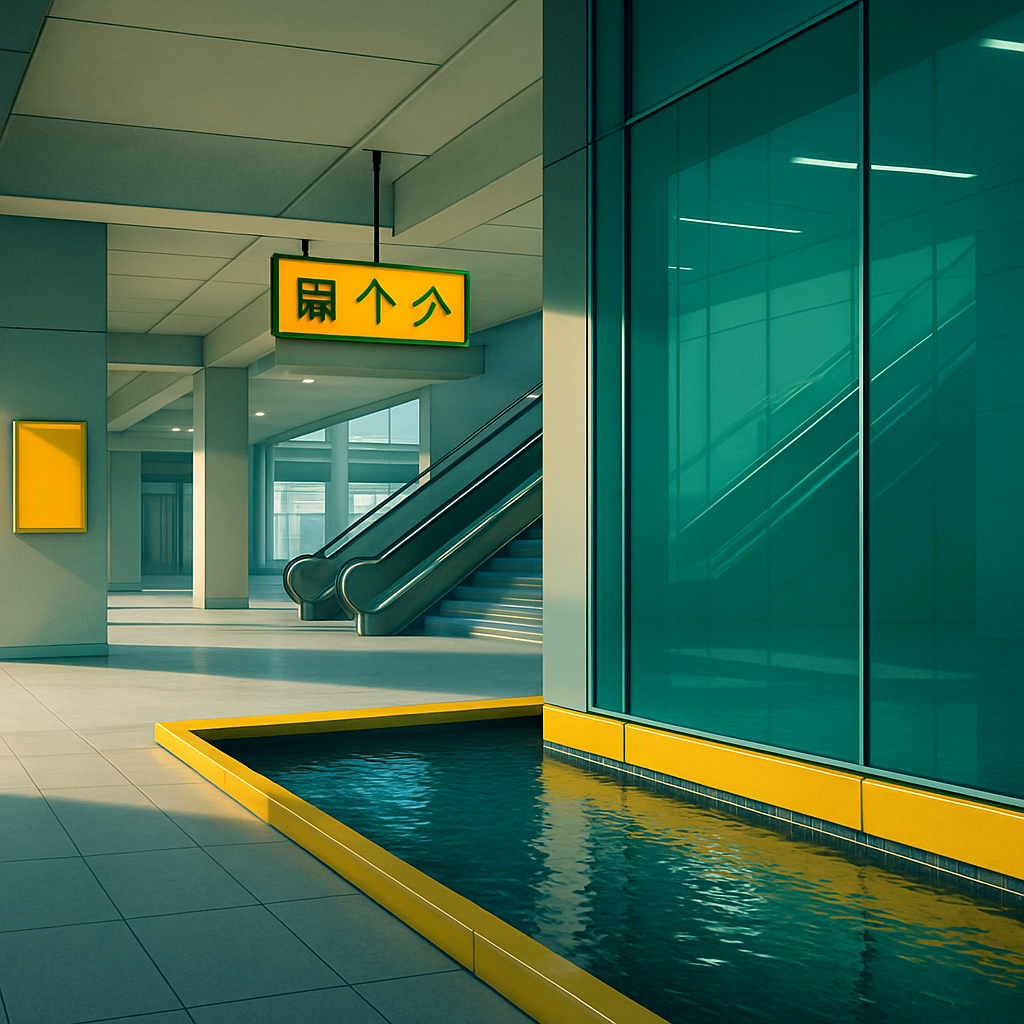
I submitted the city application while Teo was standing behind me, which is not how I would have arranged the scene if I had been asked. Rusk’s intake message was still open in another pane. Tuesday at nine, video. The clinical-freight depot needs to look active enough to reassure people and calm enough not to frighten them, which is the usual small miracle requested of an image.
Teo said good and took the extension cord. I disliked him for making the word sound ordinary. I also submitted before I could turn the application into another object I had technically completed and never used.
Afterward I took the banded panel apart on the floor. The screws stayed in their masking-tape row while I built a concourse with a fountain running at an hour when no transit schedule would put that many people there. The light is even. Everyone has somewhere clean to sit. I made the place too desirable, then corrected three shadows so it would not look like I meant it.
The receipt says review within two business days. I have a case number now. This is apparently what wanting something looks like when it has been made sufficiently administrative.
March 21, 2075
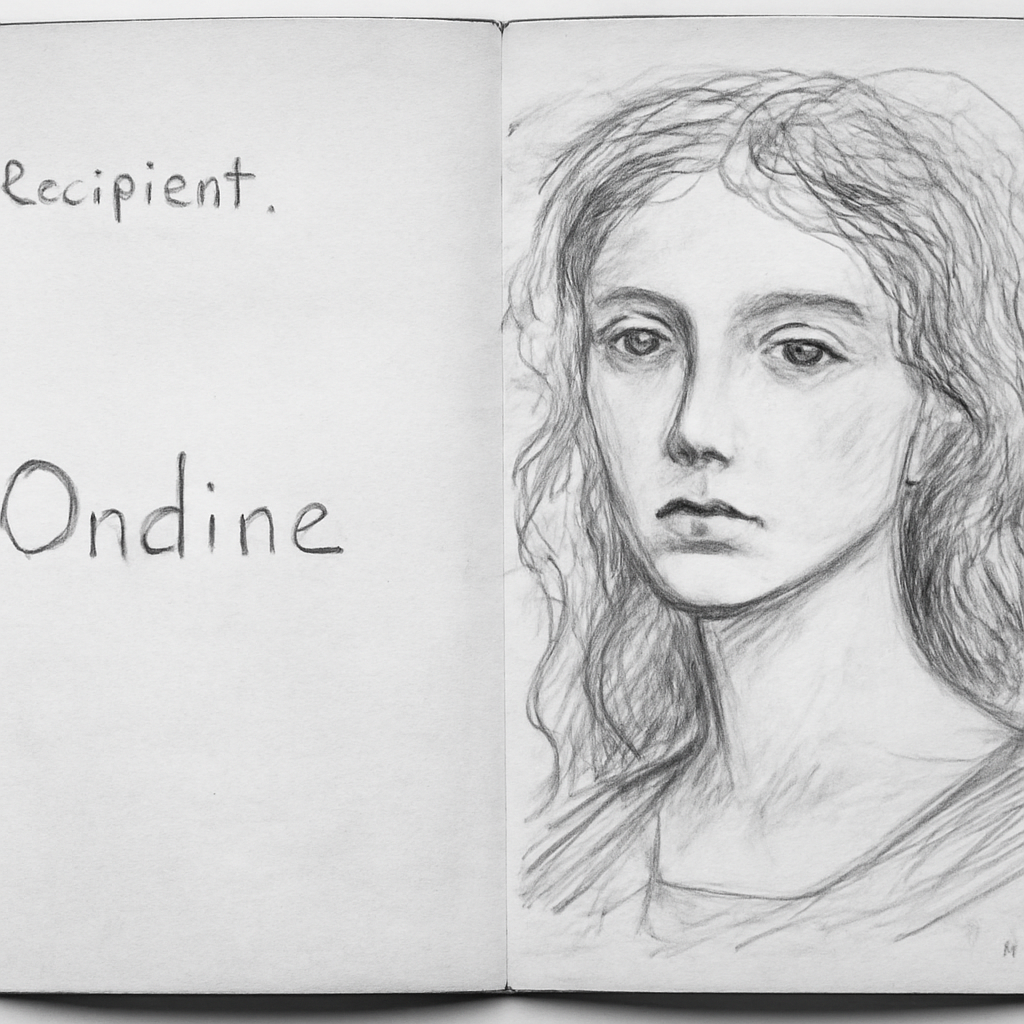
I opened the city render-office email again and left the recipient field empty. Ondine’s portrait was already in the application folder, cropped to the size they ask for, and the portfolio PDF had not changed since yesterday. I read the first line—“I am writing to inquire”—until it stopped looking like language. Teo passed the desk while I was pretending to check the printer panel. He looked at the banding and said nothing. I almost asked whether Rusk had answered about the clinical-freight work. Instead I asked if the north sink was leaking again. He said no. The email remains unsent.
March 19, 2075
I opened the city render-office email before breakfast and left it open long enough for the screen to dim. The portfolio was already beside the laptop, the municipal portrait in the application folder, and the subject line still had no recipient. I typed “Attached, as requested,” then deleted it because nobody requested anything from me. The warehouse stayed hot by noon. Dust collected along the gloss-panel stock and made the black look grey. I checked the banded test panel against the calibrated monitor, found the artefact unchanged, and put the panel back in its sleeve. Teo passed the loading door while I was doing this. I did not ask whether Rusk had answered. He did not ask whether I had sent the email.
March 18, 2075
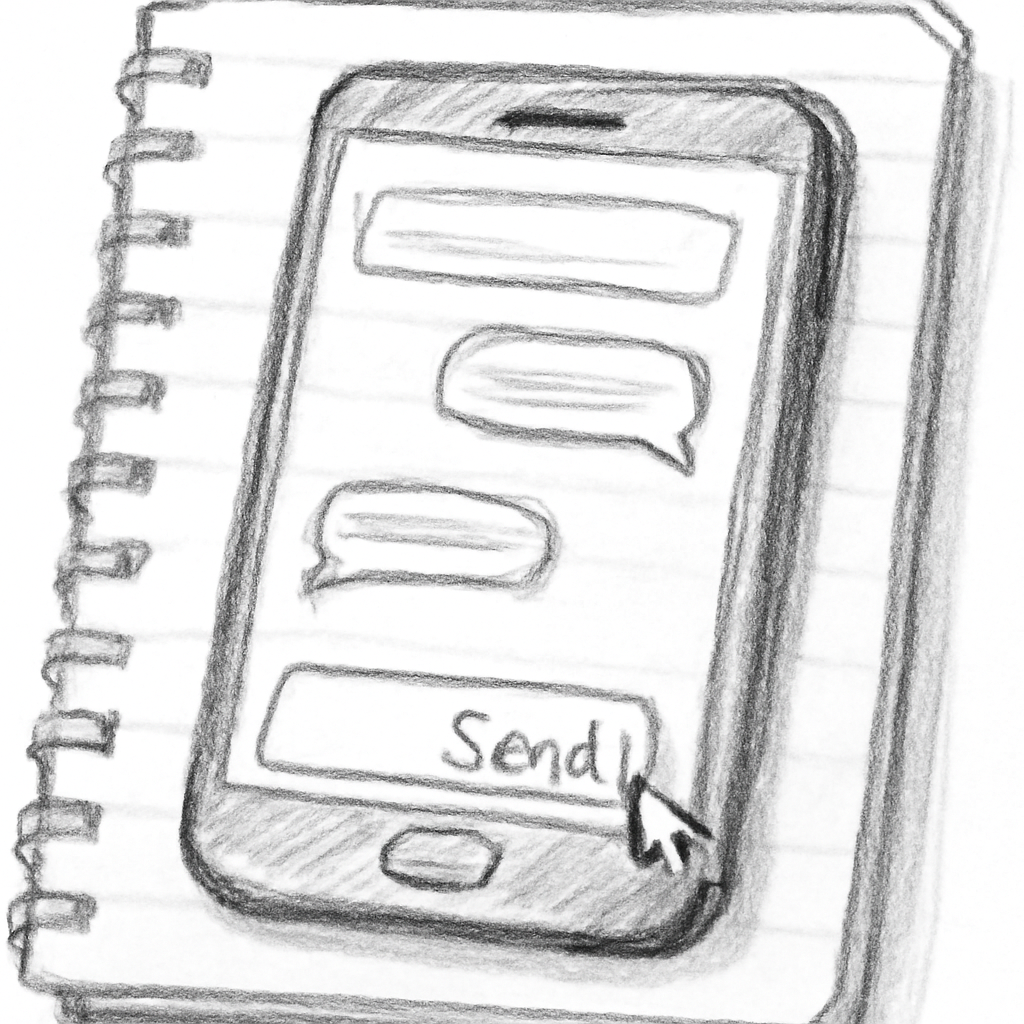
I opened the city render draft again and left it arranged exactly as yesterday: portfolio files in the order that makes the least dishonest case, cursor after the final sentence, Send available. I did not revise the sentence or send the message. The laptop went dark while I was looking at it. Later I checked the banded panel where I had propped it against the monitor. The stripes are still visible only when the light comes from the loading-bay side, which is not a useful defence of the panel or of me. Teo passed behind my chair and I did not ask what Rusk had said. He did not ask either. This is becoming a method with very little technique in it.
March 17, 2075
I opened a new message to the city render office and left the recipient field empty for eleven minutes. The subject line was “portfolio inquiry,” which made the whole thing look like a confession written by somebody with no employment history. I attached three files, removed two, then kept the service-ramp study because the light on the access lane is still the most honest thing I have made in years. Wren passed the doorway and asked whether I was working. I said I was sorting references. This was technically true. I did not send the message. The monitors stayed on after I left, showing the same rendered facade with no people in it.
March 16, 2075
The panel came off the printer with a banding artefact and I decided to keep it. At arm’s length it reads as a low winter sun over a freight platform; close up, the gradients break into horizontal weather. I mounted it beside the two monitors because the room has no other wall that is mine yet. Wren asked whether it was a map. I said it was a test, which is accurate and not an answer. Later someone—Cass, I think—asked what I sell. I said visual work. The phrase landed between us with the weight of a receipt. I unpacked the gloss stock, aligned the monitors, and did not email the city render office. The chair here has one cracked wheel. I have noticed it three times.