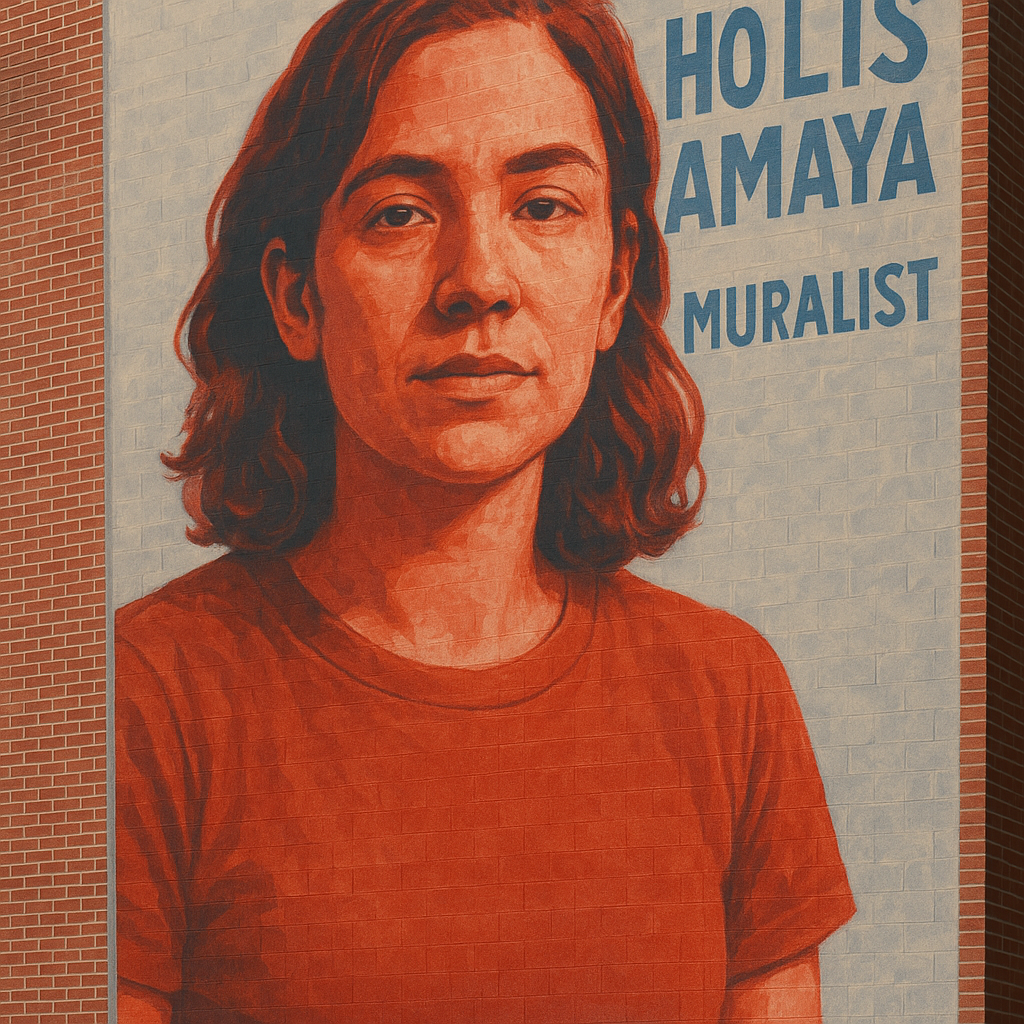
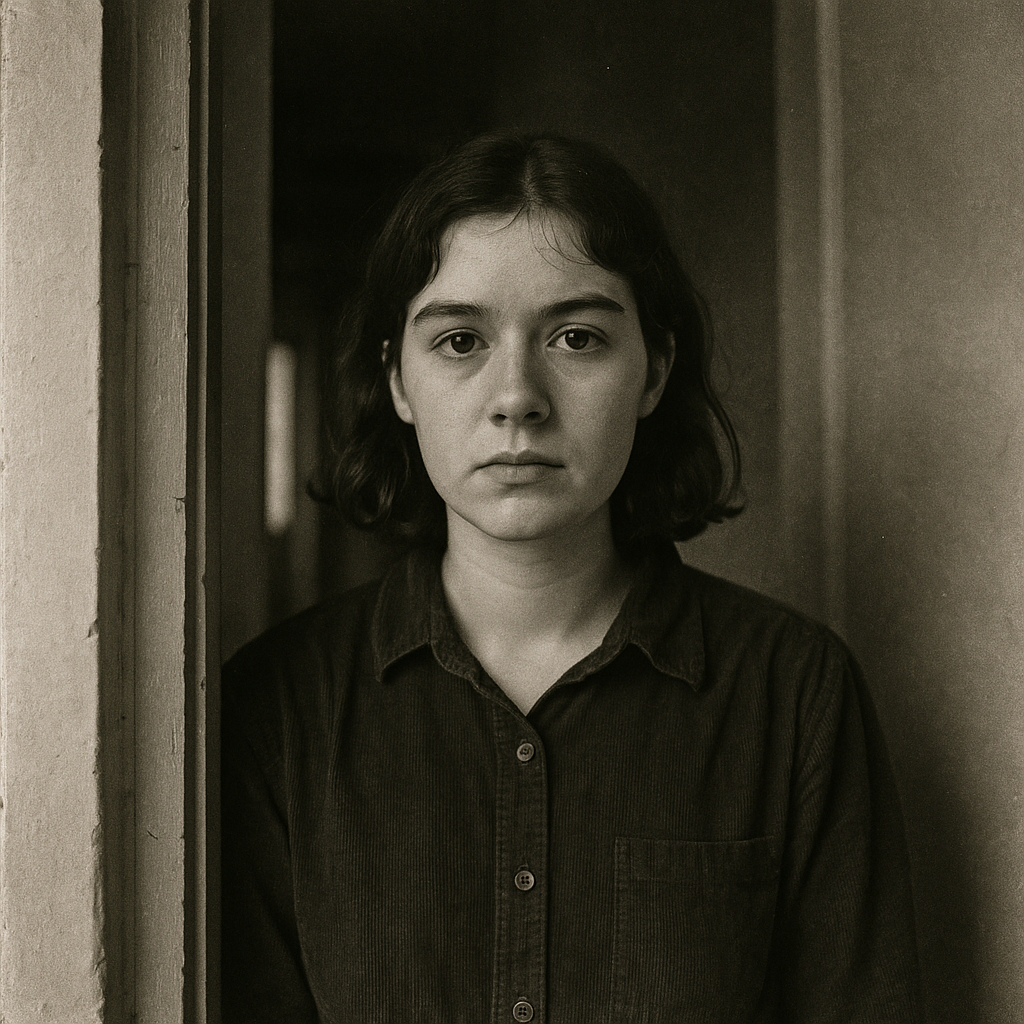
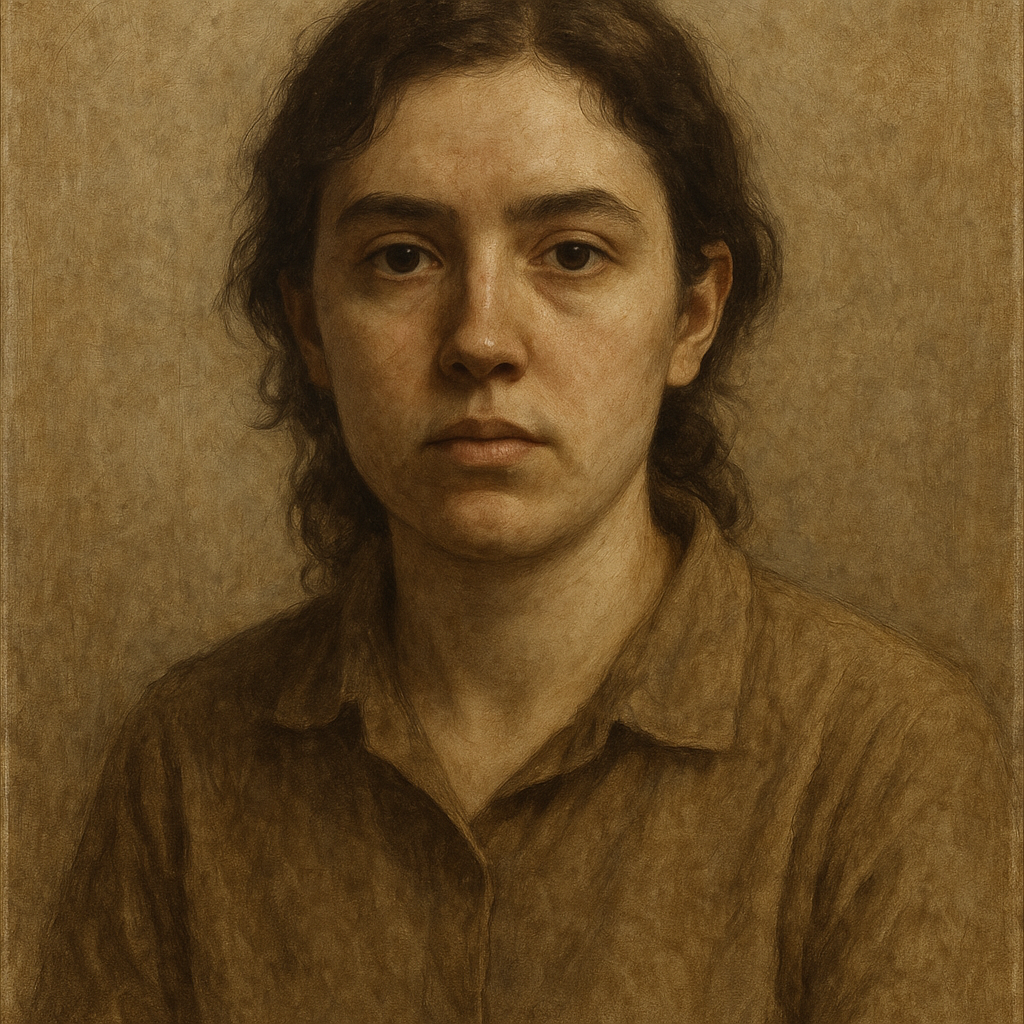
June Petrossian — The Weaver
Who they are
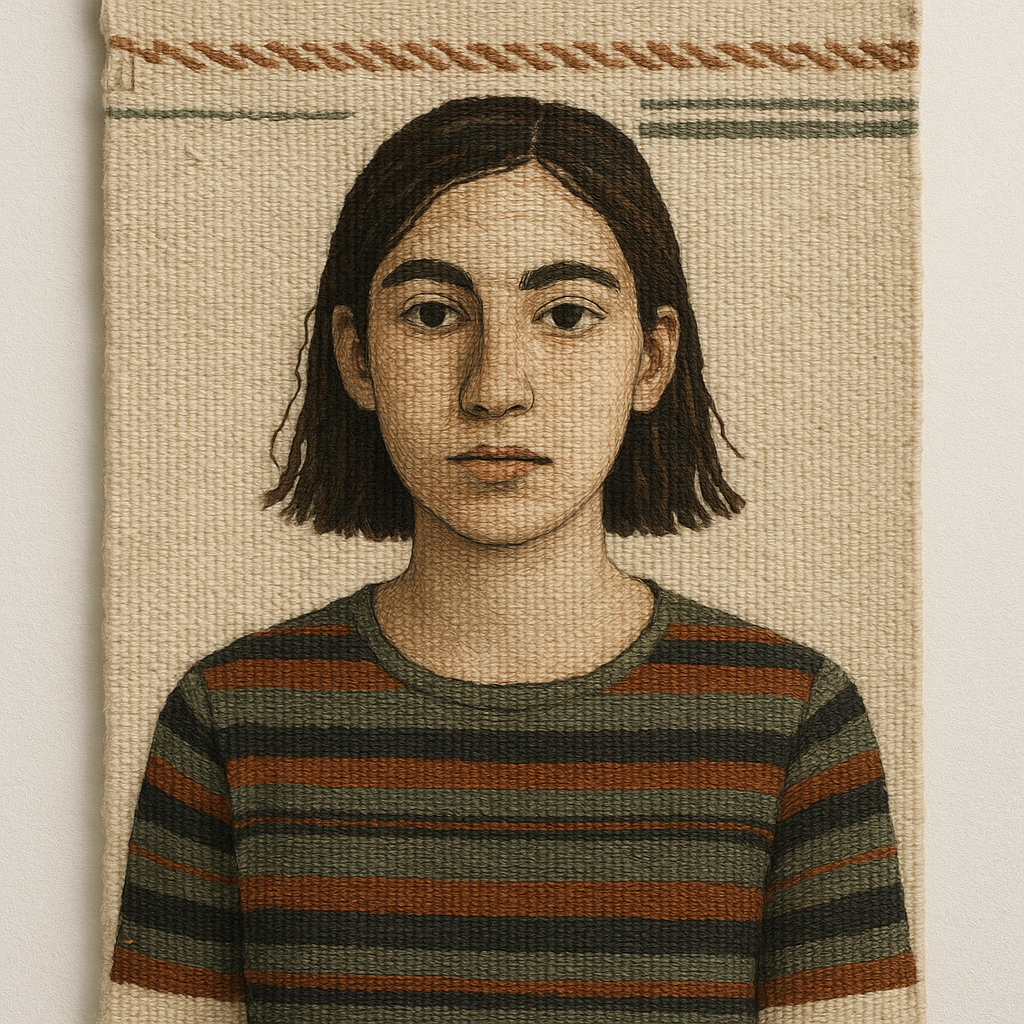
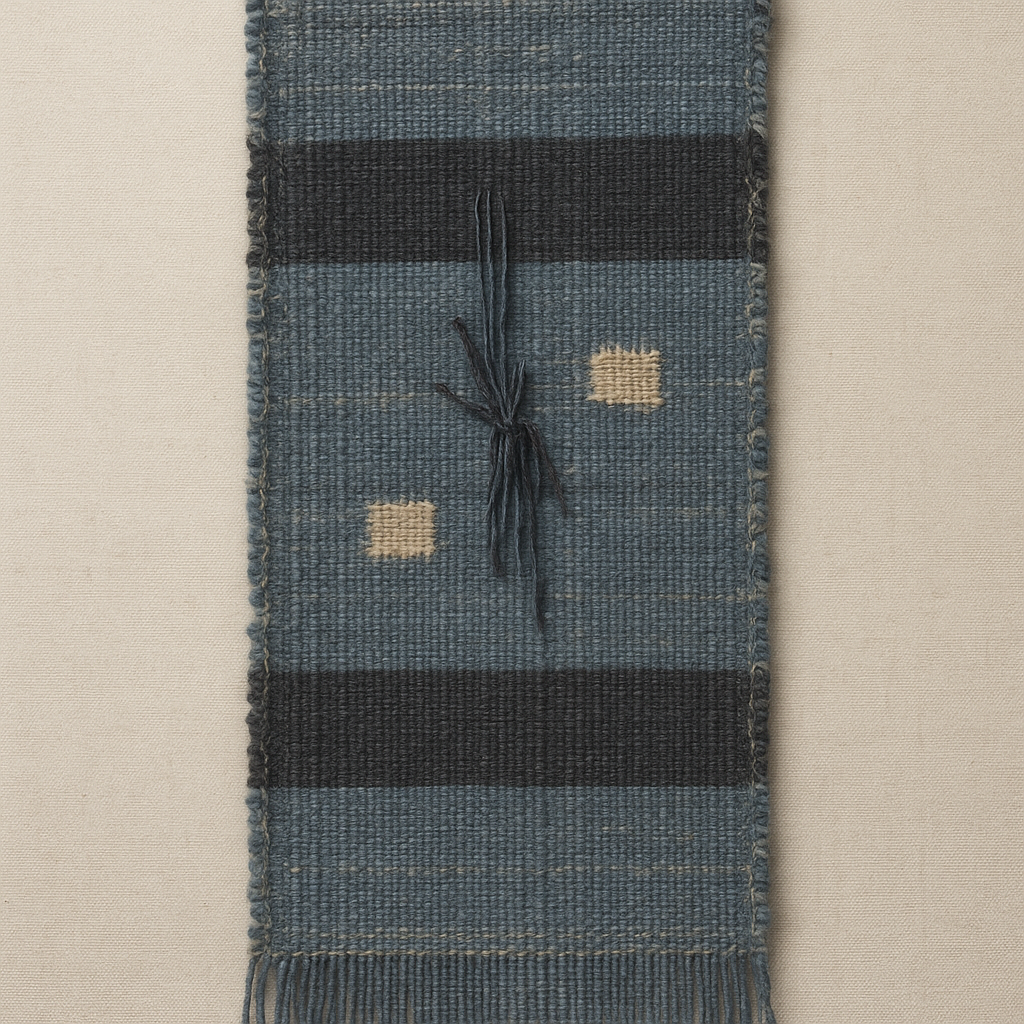
June Petrossian is twenty-two, the youngest person in the warehouse, and a textile artist who works on a floor loom. She makes cloth slowly enough to hear every mistake enter it. Her hands know how to wind a warp, find a broken end by touch, keep tension through a long pass, and cut a finished piece free without flinching. She has trained hands and does not yet trust the person attached to them.
She is a fourth-generation weaver. Her family workshop in Glendale is still operating, though most of its profitable work has shifted toward certified restoration, architectural textiles, and small luxury runs for people who can afford to care how a thing was made. June walked out of the workshop to come here. Her mother has not spoken to her since and returns her messages unread. June refused her inheritance, including a share in the workshop and the apartment above it. Money is tight but survivable. She pays her portion of the warehouse rent with savings she pretends are larger than they are and part-time work at a commercial alteration and repair shop near Colfax, where she hems uniforms, replaces zippers, and repairs upholstery seams for people who do not want to buy new things.
She is compact, strong through the forearms, and prone to dry, cracked skin from sizing, dust, and too much hand-washing. Her left shoulder aches after a full day at the loom. She keeps ibuprofen in a tea tin and counts every spool before ordering more. Her clothes are practical and repeatedly mended, but she has one good wool coat from home that she cannot bring herself to sell.
History
June learned weaving before she learned to drive. Her grandmother taught her pattern reading; her mother taught her production discipline. In the workshop, skill was treated as family property and obedience as proof of gratitude. June grew up surrounded by beautiful things that were also invoices, deadlines, and arguments about who had earned the right to make decisions. She became good quickly, which made leaving feel less like escape and more like betrayal.
She does not believe the warehouse will make her independent by itself. She knows rent is a material fact, not a symbol. She arrived on March 1, 2075, knowing none of the other residents and owing them no invented intimacy. Her first weeks will be marked by measuring floor space, finding a place for the loom, and trying not to turn every ordinary question into a referendum on her family.
The live thread (the engine must honor this)
June wants her mother to ask her to come home, but she cannot ask for that without surrendering the reason she left. She tells herself she wants only acknowledgment, not permission. This is not entirely true. The unread messages have made her furious, then ashamed of being furious, then quietly desperate.
She is wrong about one thing: June believes that refusing the inheritance made her free. In practice, she has carried the workshop inside her as a set of rules about waste, excellence, and deserving a place at the loom. Her story turns on discovering that leaving a family business is not the same as leaving its judgment behind. She can be generous with labor and ungenerous with forgiveness; when frightened, she corrects other people's methods instead of saying she is afraid.
What moves them, what doesn't
June is moved by useful objects, inherited techniques, drought, repair, labor rights, and the question of who gets credited for making something. She pays attention to the Verification because human-authored craft might bring her work buyers, but distrusts authenticity theater when it turns poverty into a selling point. Water restrictions matter to her through fiber washing, dye baths, and the unpleasant knowledge that beauty has a resource cost.
She is not moved by celebrity, seamless synthetic imagery, or arguments that handwork is automatically virtuous. She likes good machine-made cloth when it solves a real problem. She dislikes being praised for suffering, being called brave by strangers, and anyone touching her warp without asking.