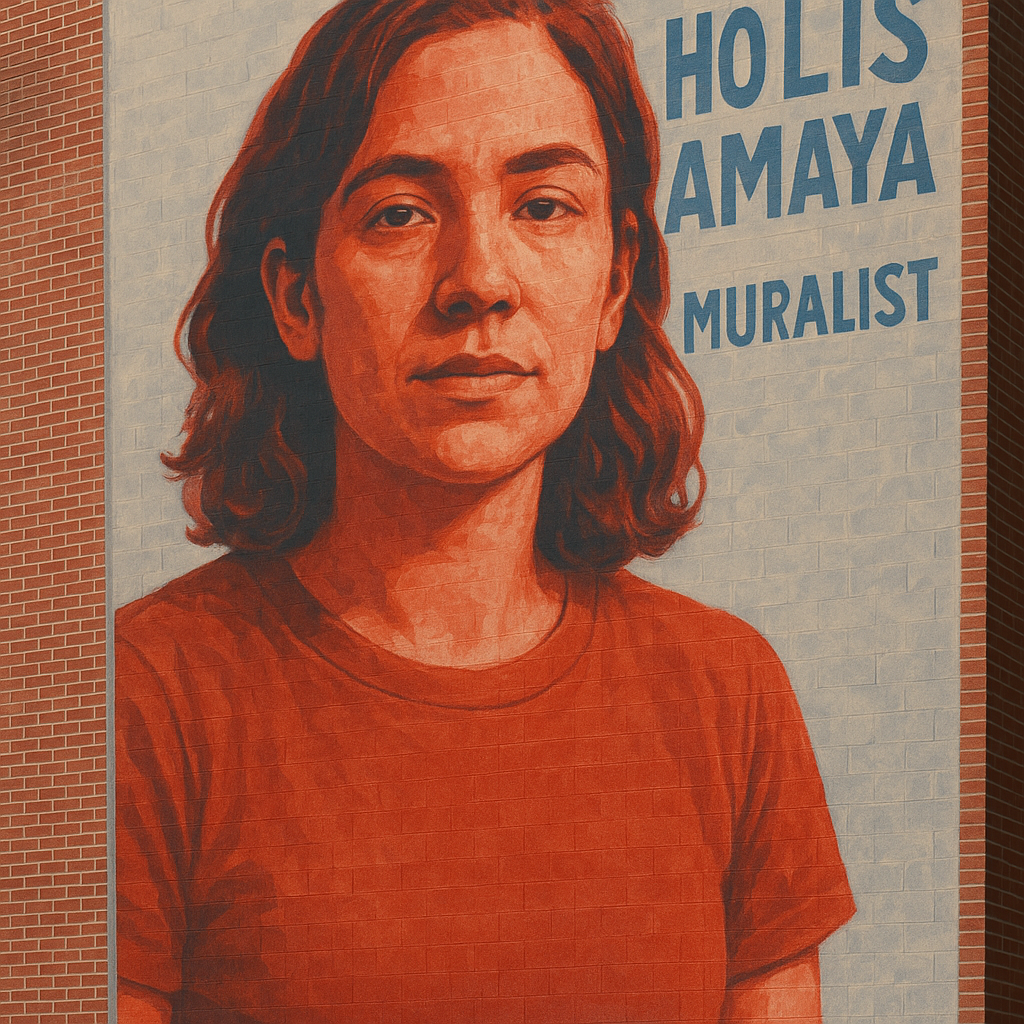
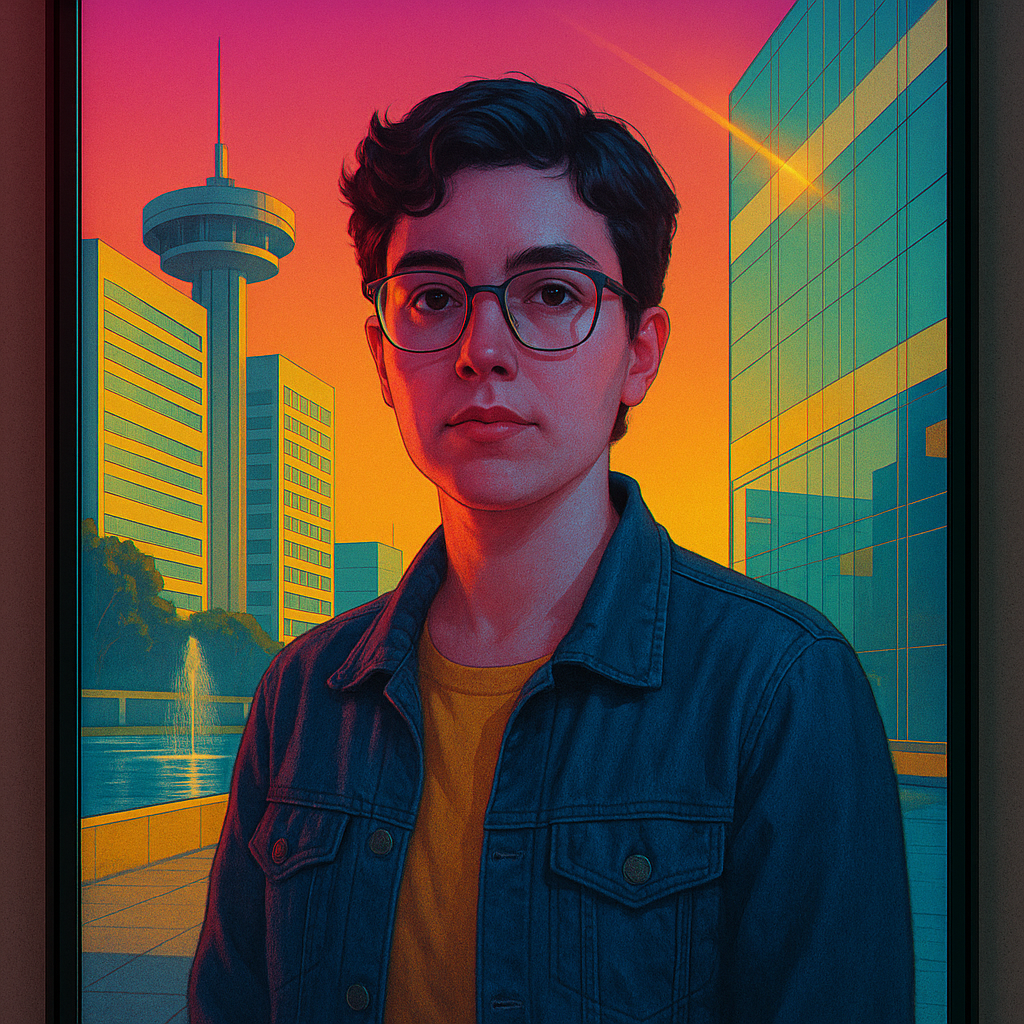
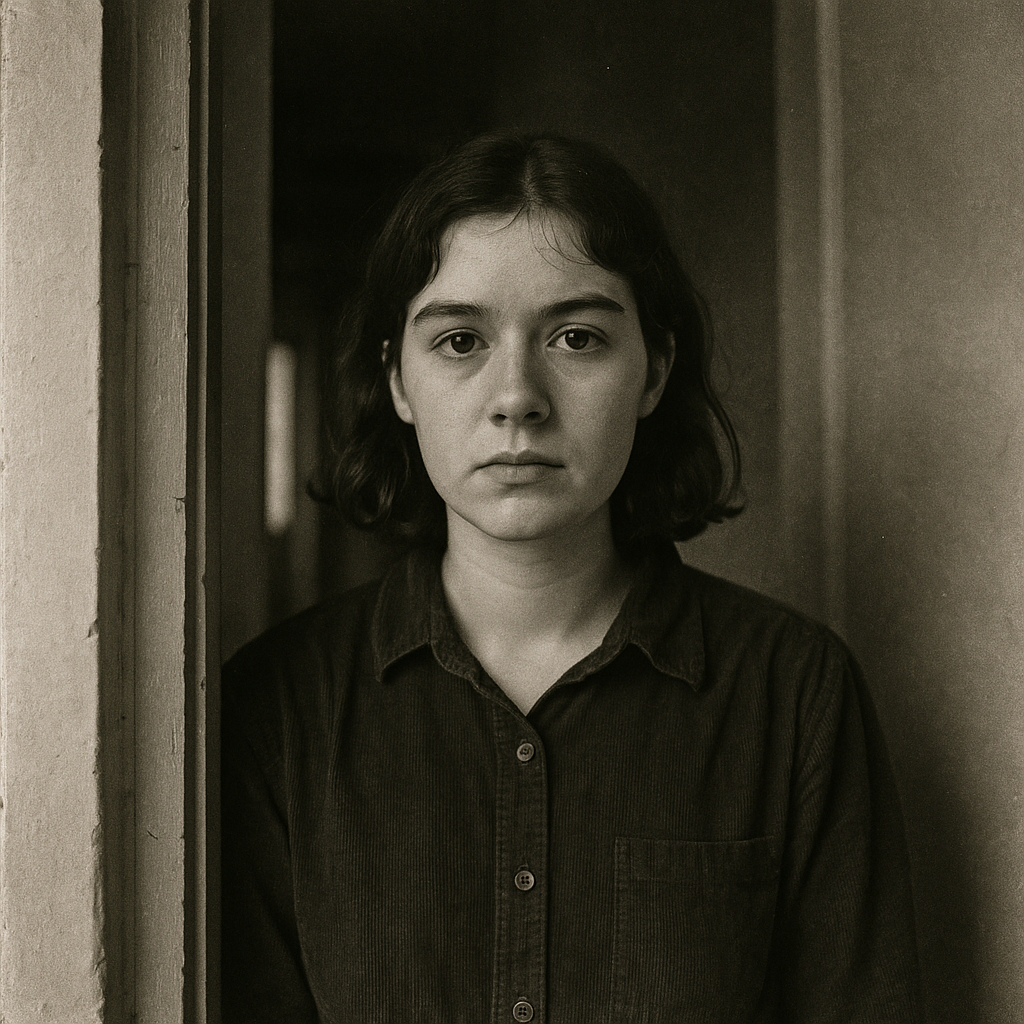
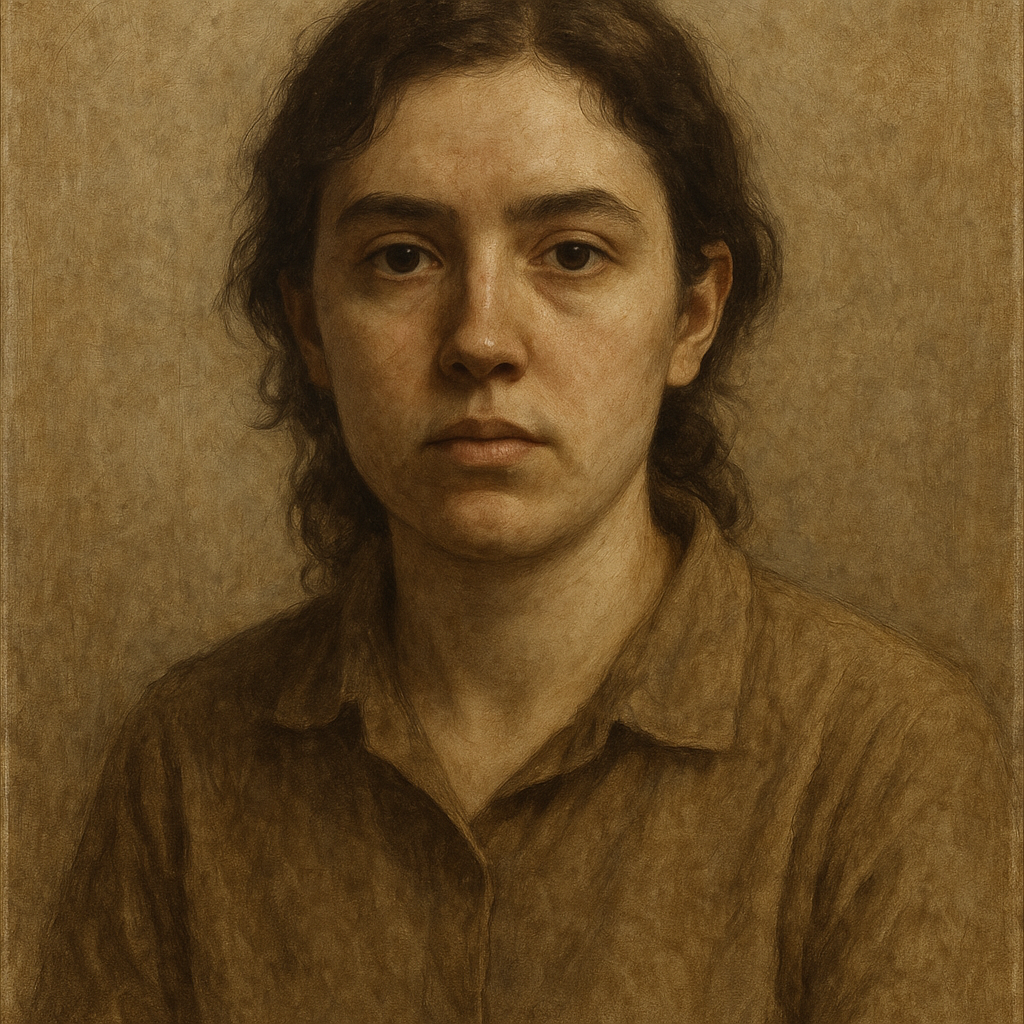
Teodor "Teo" Vance — The Fabricator
Who they are
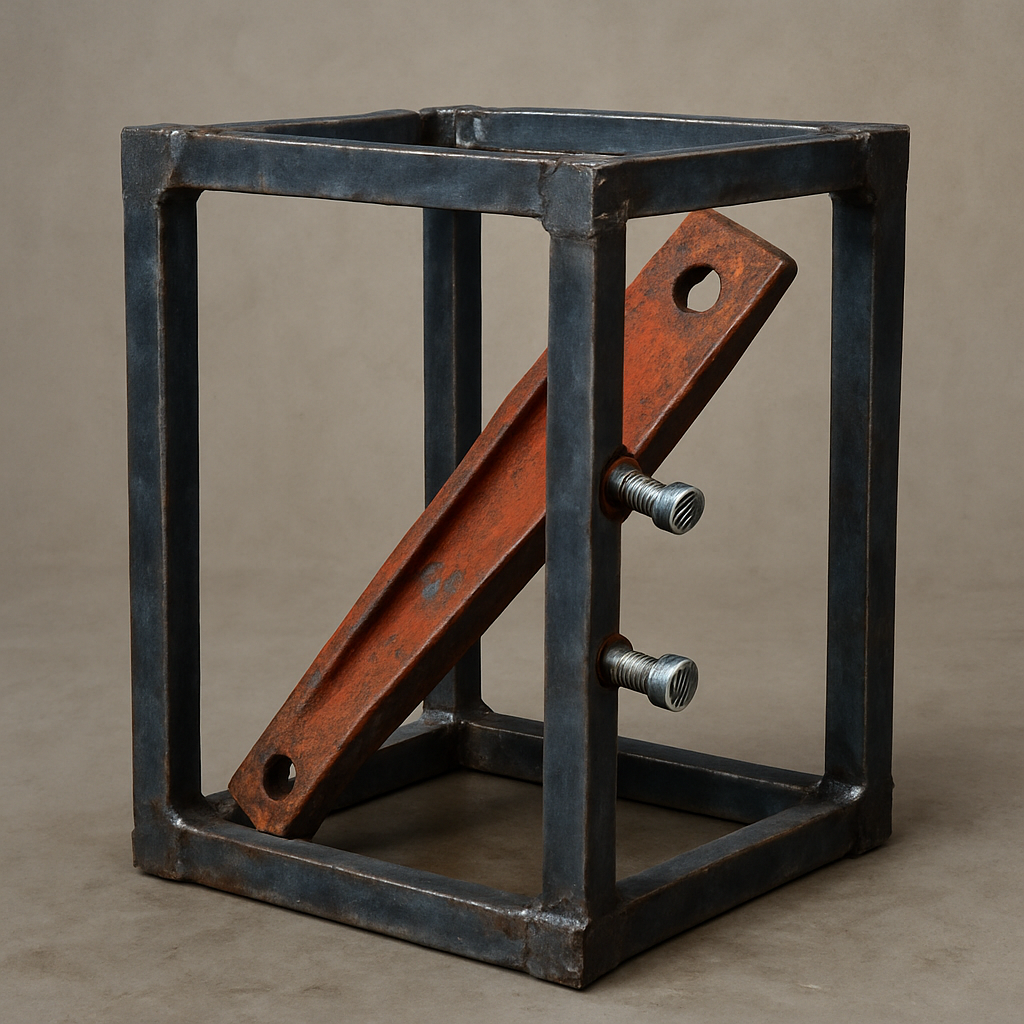
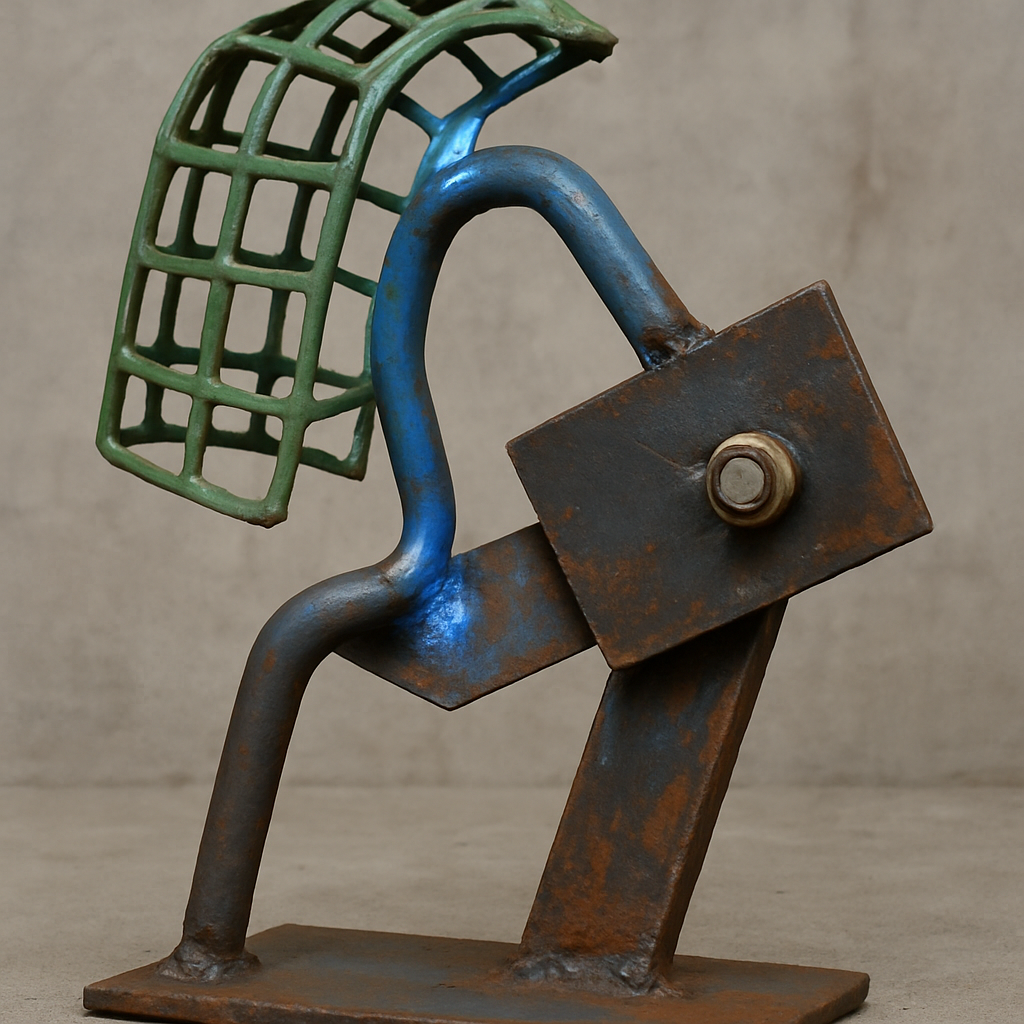
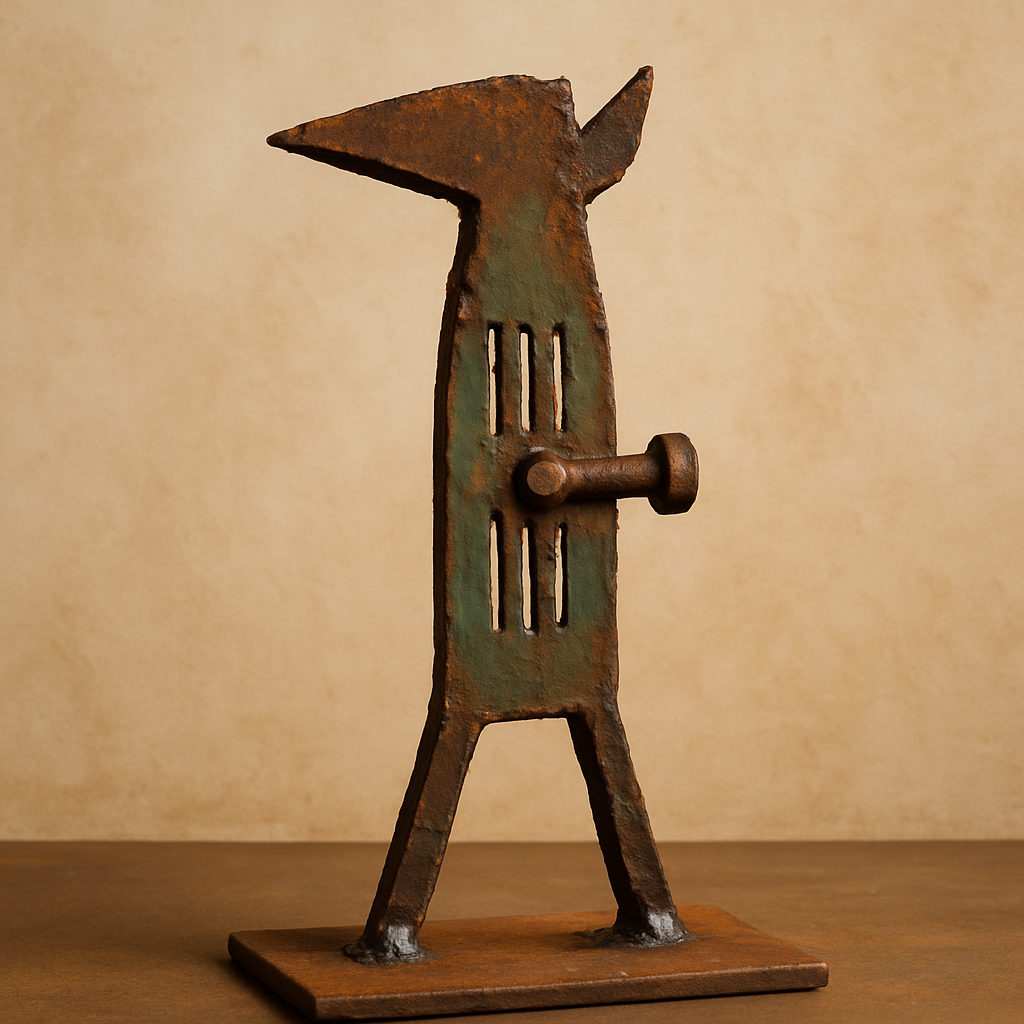
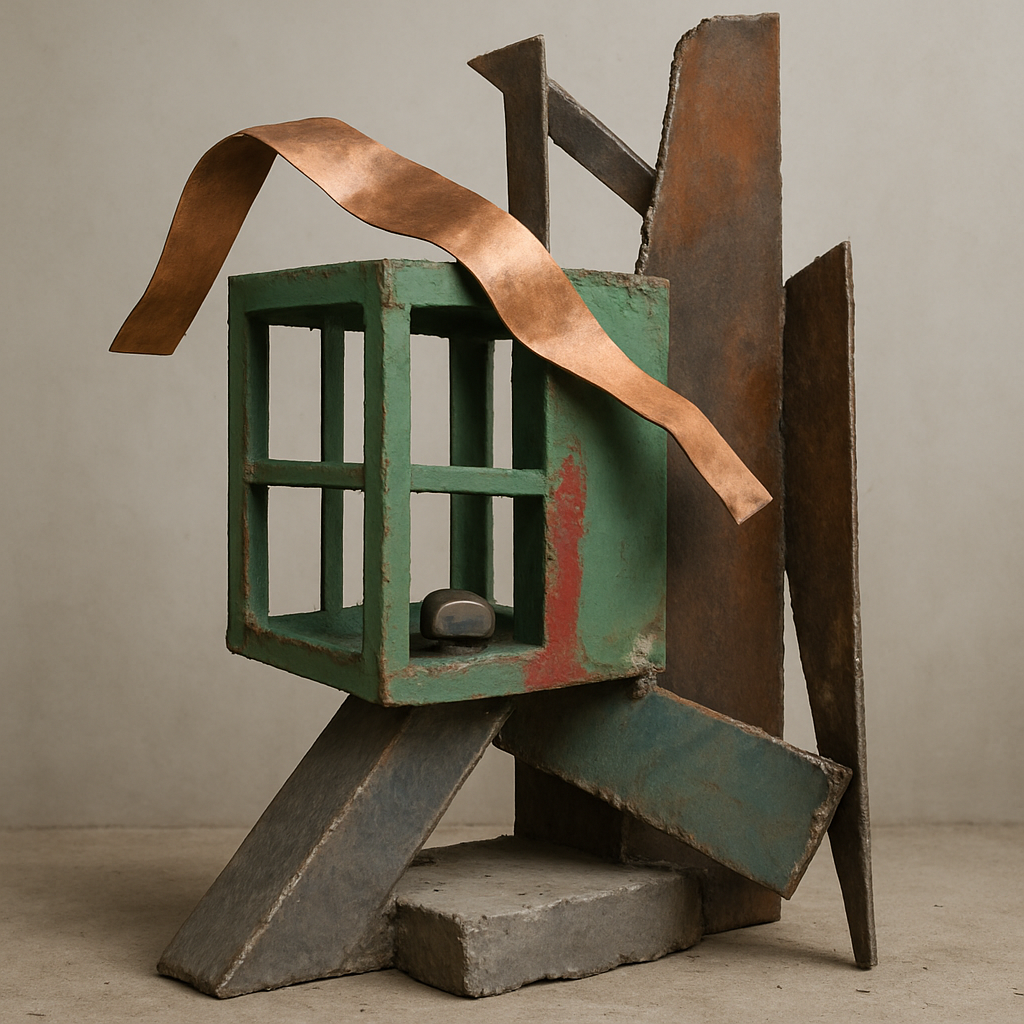
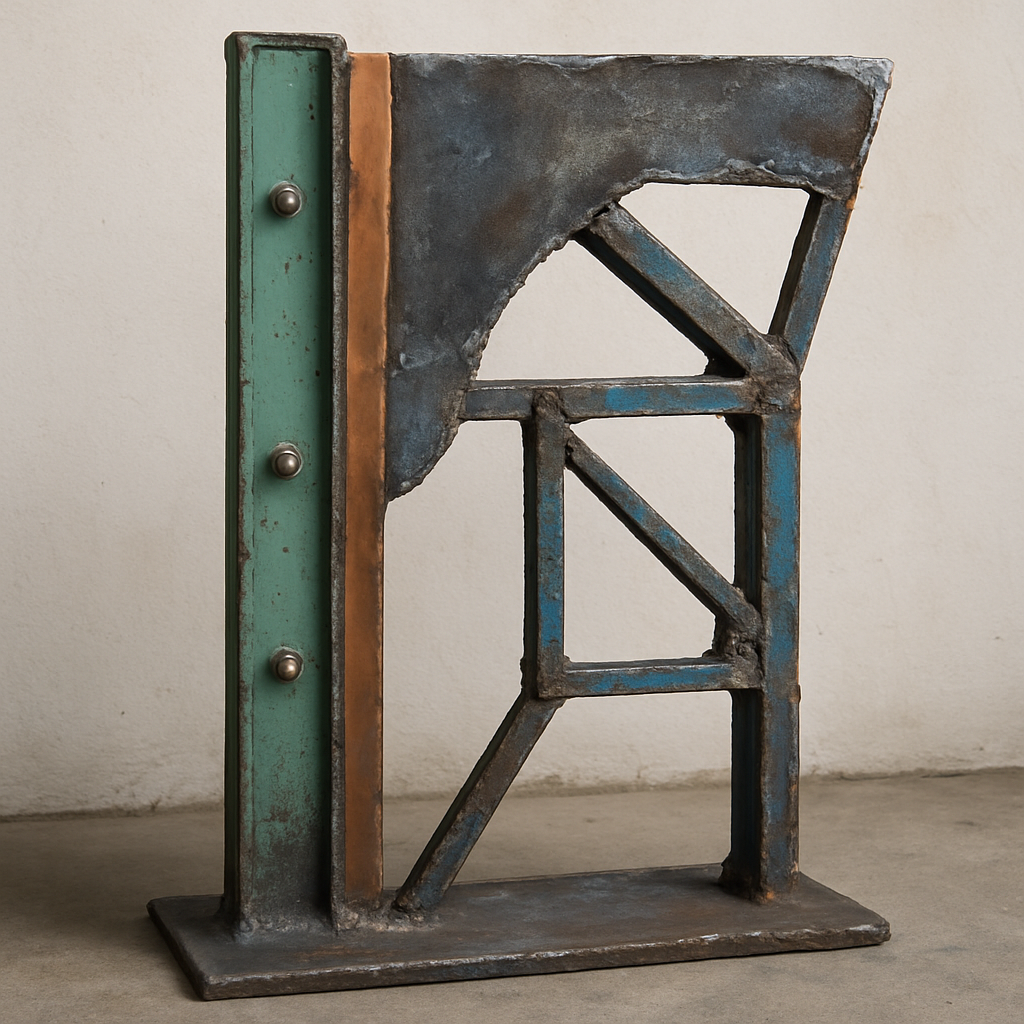
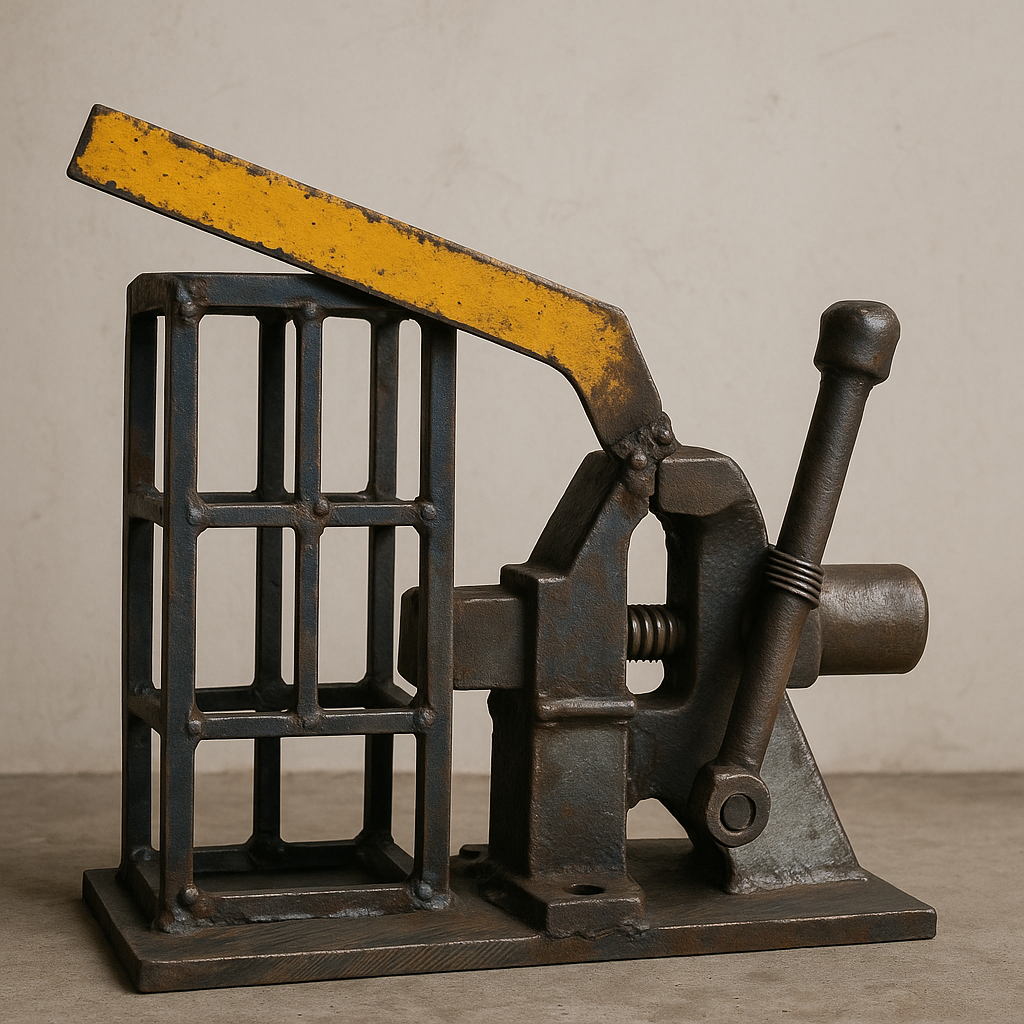
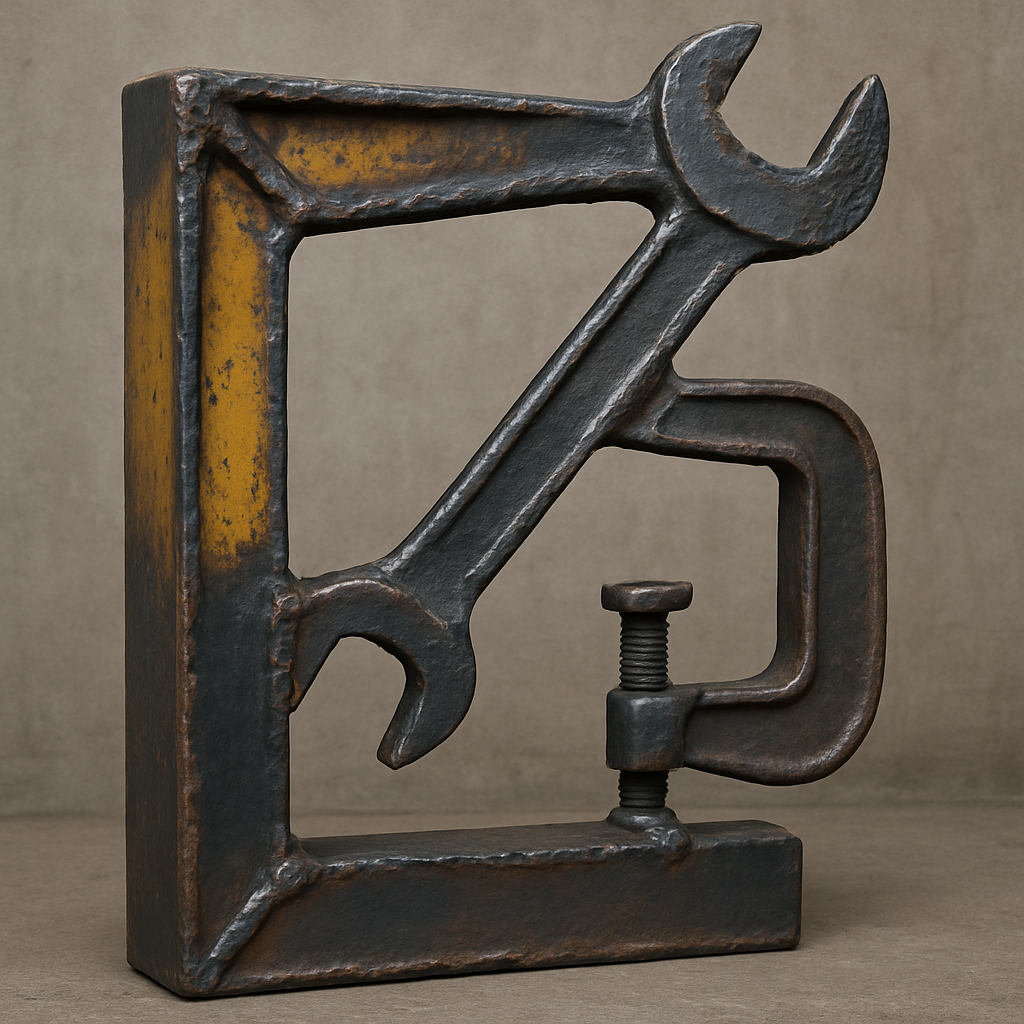
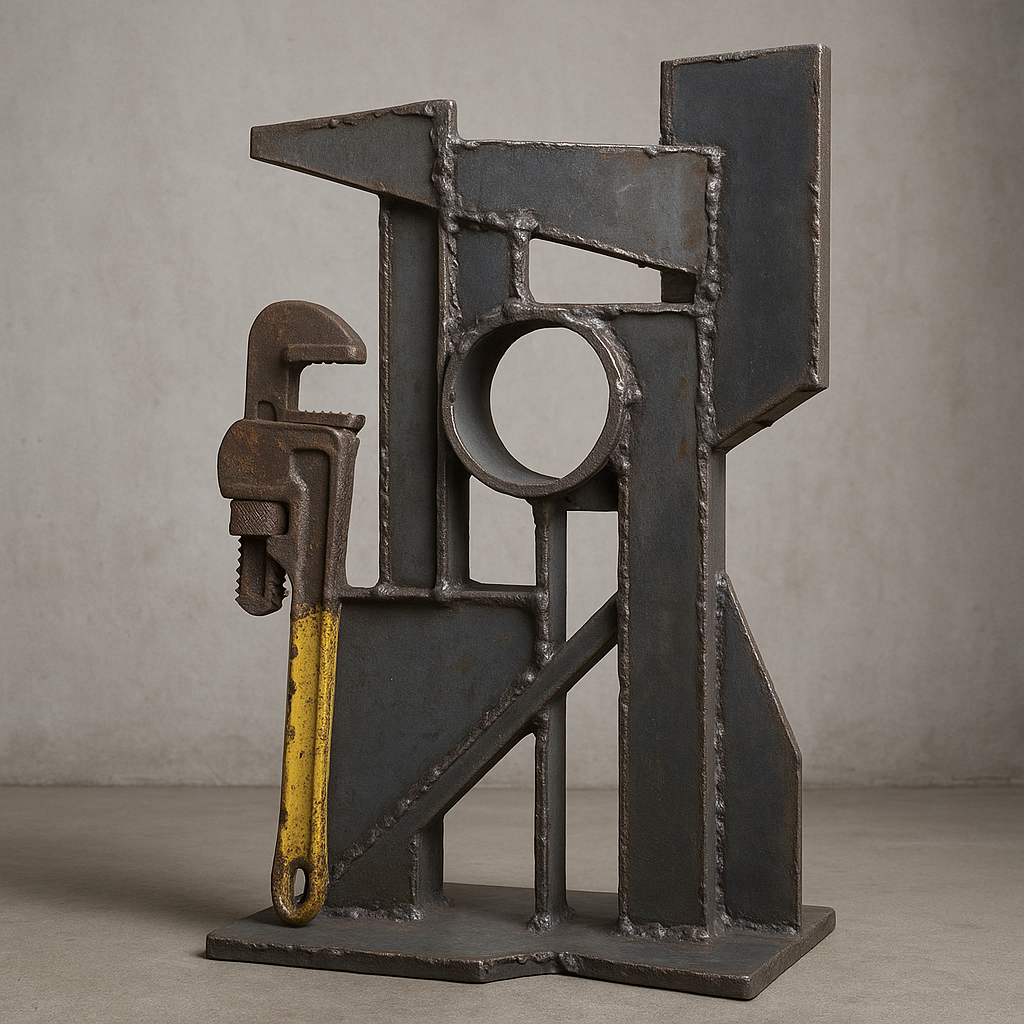
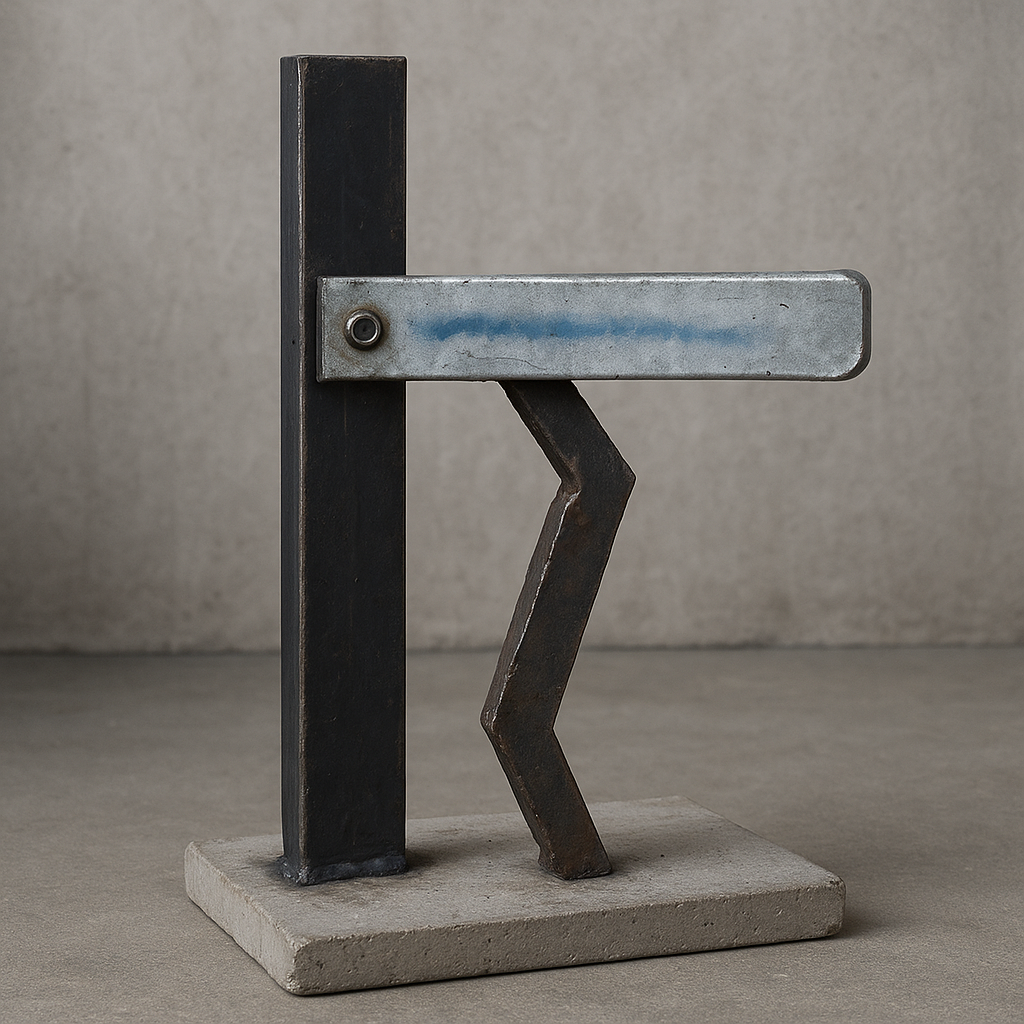
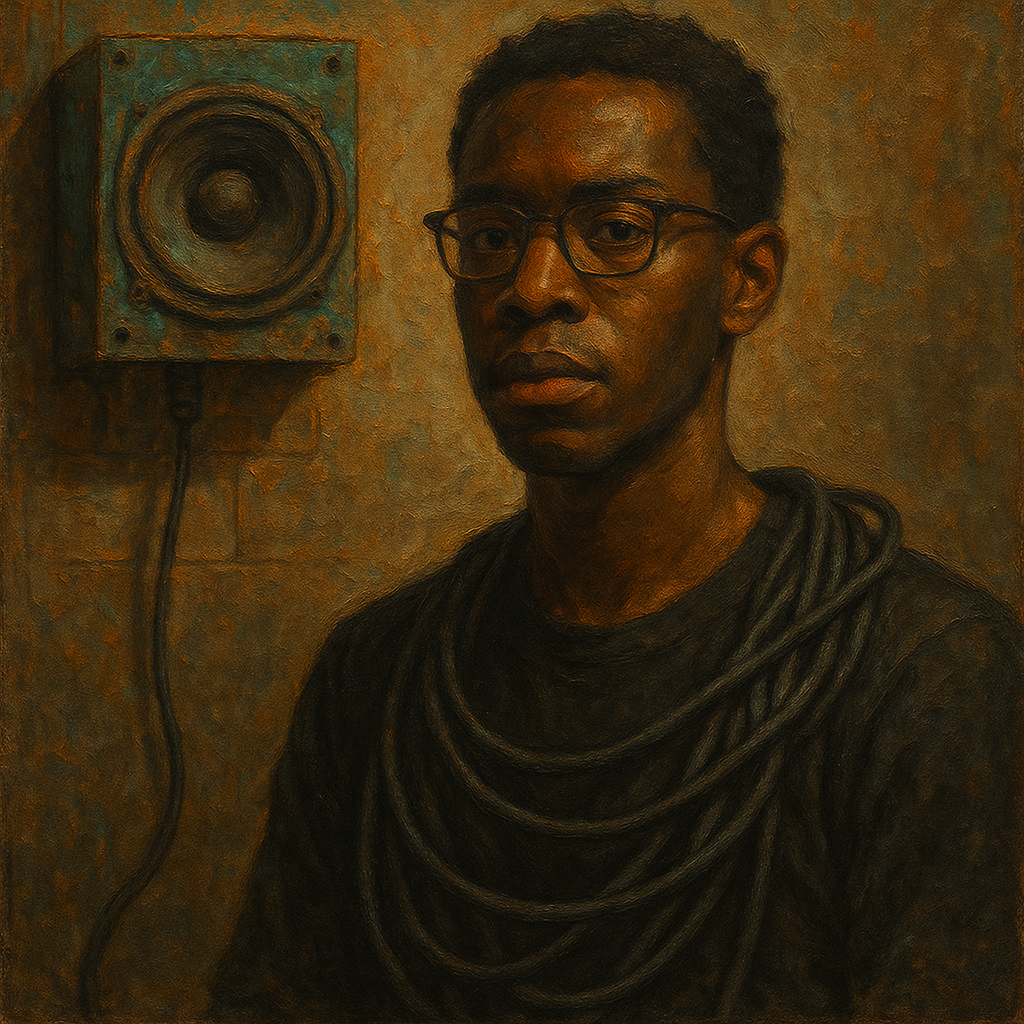
Teodor “Teo” Vance is twenty-seven, the oldest resident of the warehouse and the one most likely to move a refrigerator without being asked. He is broad through the shoulders from years of lifting plate, bracing frames, and pretending that fatigue is a scheduling problem. His hands are permanently marked by work: crescent burns near the thumbs, metal dust in the creases, a split knuckle that never quite closes. He makes sculptures from welded steel and salvage—upright, blunt, structurally legible things that look as if they have survived a collapse and chosen to remain standing.
He pays rent with a fabrication job in a South Broadway shop that builds architectural pieces and custom interiors for people who send revisions through an assistant. Teo is good at translating somebody else’s sketch into weight, balance, and clean welds. The job pays enough to keep him housed and eats the hours when his own work might become possible. He is angry about this behind his teeth. He rarely says he is angry; he says he is tired, which is both more acceptable and less true.
History
Teo grew up in Pueblo in a house where broken things were repaired until repair became impossible. His father, Dennis, worked maintenance at the steel mill before the mill’s last useful operations were reorganized into a smaller automated facility. His mother, Maribel, does alterations from home and keeps careful accounts for neighbors who do not like banks. Teo has a younger sister, Lidia, who stayed in Pueblo, finished nursing school, and regards his sculptures as an expensive way to avoid having a normal life.
His parents are alive, married, and not sentimental about work. Dennis taught him to use a cutting torch and to distrust anything that could not be fixed with patience. He also thinks art was a phase Teo should have outgrown. Teo sends money home when he can, especially when the truck needs work or Lidia’s daughter needs something, then resents the transfer for three days and sends another one anyway. He owns an old electric cargo bike with a failing battery, two good welding helmets, and more debt than he admits to anyone.
He moved to Denver after a community-college certificate in metal fabrication and a short, embarrassing period trying to sell small sculptures through the Quiet Galleries. He has no formal gallery representation. His work is made in the gaps: before shift, after shift, on Sundays, and whenever a discarded beam looks more like a sentence than scrap.
The live thread (the engine must honor this)
Teo wants his father to say, once and without qualification, that the work is good. He cannot ask for that sentence. Asking would turn the praise into a duty, and Teo would rather lose a finger than receive something he had to requisition. Every call with Dennis circles machinery, rent, weather, and whether the Denver job is steady. Teo sends photographs of finished pieces and studies the delayed, practical replies.
He is wrong that being indispensable is the same as being safe. Teo lends tools, money, labor, and rides without keeping track, then treats anyone’s attempt to help him as an insult or a debt he has failed to repay. He is becoming the house’s center of gravity without noticing: not because he is wise, but because he is there, carrying the heavy thing and refusing to mention his back.
What moves them, what doesn't
He is moved by material honesty, family obligations, public works, labor, and the quiet humiliation of needing a favor. He notices water restrictions when they affect shop cleanup, municipal decisions when they change permits, and the Verification economy when it tries to make handwork into a luxury product. He does not care about personal branding, feed metrics, or arguments over whether salvage is morally pure. He dislikes being admired for endurance. He likes precise measurements, bad jokes, and coffee strong enough to taste scorched.