March 25, 2075
Cass read the runoff print as if it had made a sound he could use. I was relieved first, which was ugly. Then I was afraid he had found a way to turn my keeping into collaboration without either of us saying what the keeping cost.
I went to the north studio with the camera zipped in the dish towel. Wren was working with her back to the door, one hand braced against the table while she looked at something I could not see. I stayed long enough to be in the room and not long enough to make that presence require a name. The window held a weak reflection of both of us over the freight street. I did not take it.
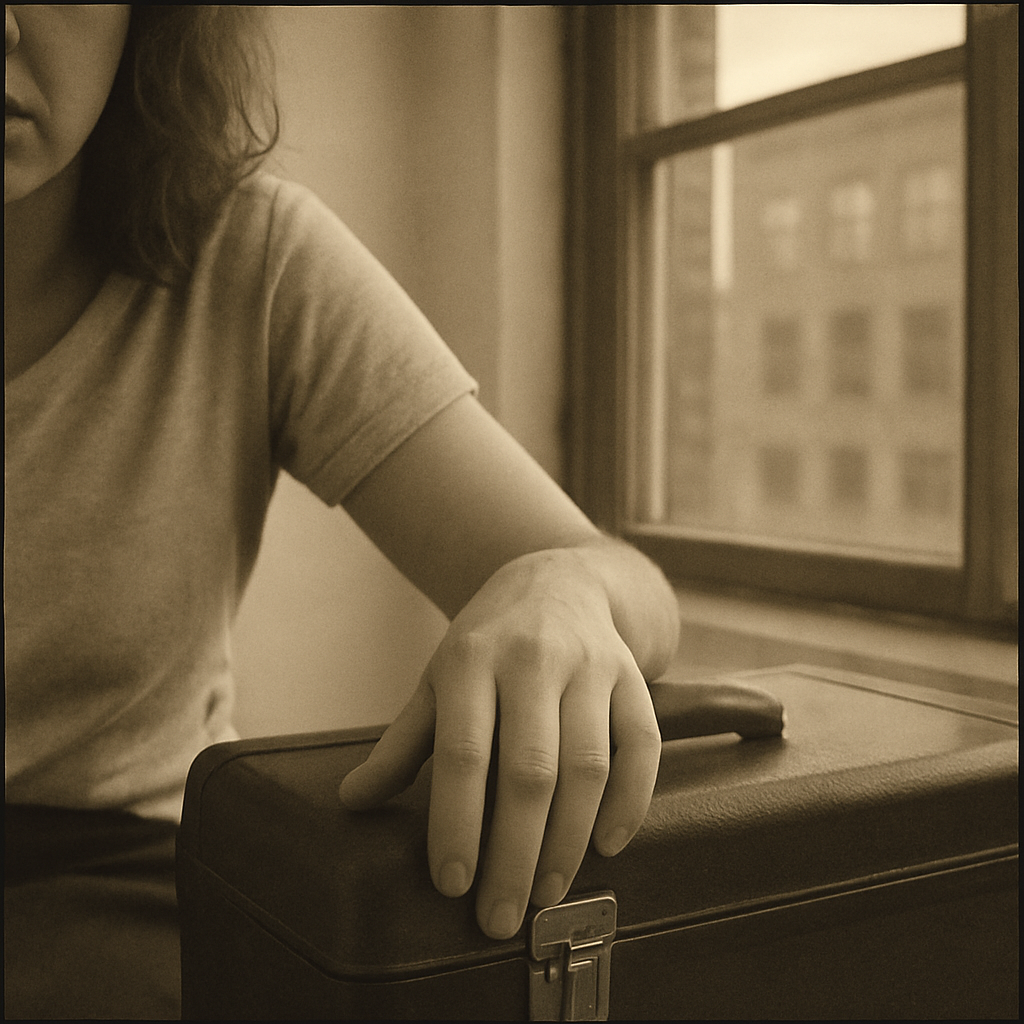
Later I made a small print from a frame near the loading bay: Cass bent over the lift-boot rental case, checking the clasp while the worktable behind him remained half-cleared. His face is not in it. I can say that the picture is about work pausing to arrange itself. I cannot say that I wanted to show him I understood the rate was a rate, not an opening for him to ask again.
I labeled the negative with the time, the bay, and the weather. I left out what I had refused. I put the print in the drying rack where anyone could see it, which is not permission but is closer to an answer than hiding it in my drawer.
March 24, 2075
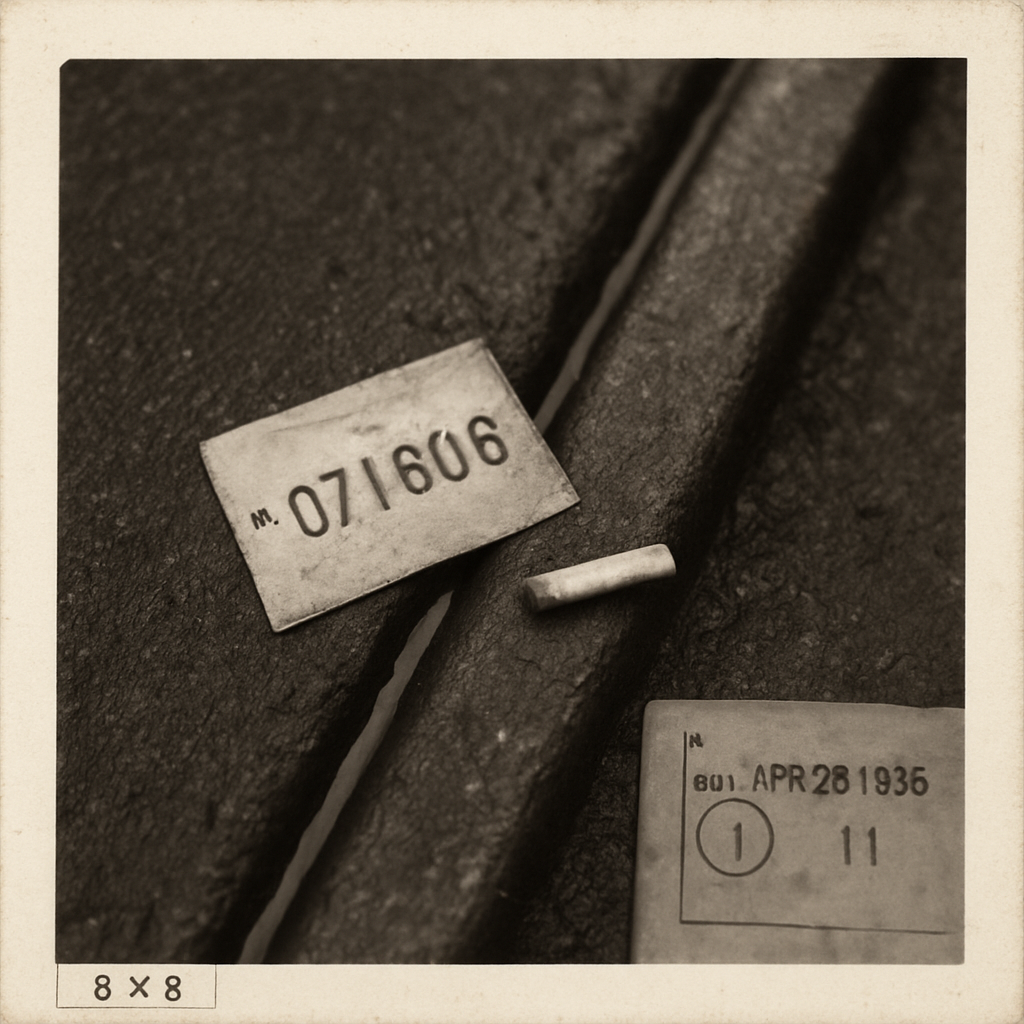
The wind pushed a thin dark ribbon of water along the gutter outside the freight door, carrying grit, one pale cigarette filter, and the corner of a delivery label that had gone soft but not illegible. I photographed it from above because nobody could mistake the street for a person. I still waited until the water reached the stamped number before I took the frame.
Wren wrote that the blank places in “Winter Calibration, Family File” admit failure to hold someone. I read it on the stairs with my camera zipped beside me. It was not forgiveness, and I do not think she meant it as a request. But I went into the north studio afterward without the camera. Wren was working and did not look up. I sat near the window with an inventory pencil and wrote down nothing. It felt like doing less badly, which is not the same as doing well.
Cass has not asked me for anything since the six hundred. I keep noticing this as if silence were a receipt. I want it not to become one. The puddle outside held the warehouse upside down for a few seconds, then the wind broke it into separate dark pieces. I made a small print and left the negative in a numbered envelope, dry and properly labeled. That is still how I make a decision.
March 23, 2075
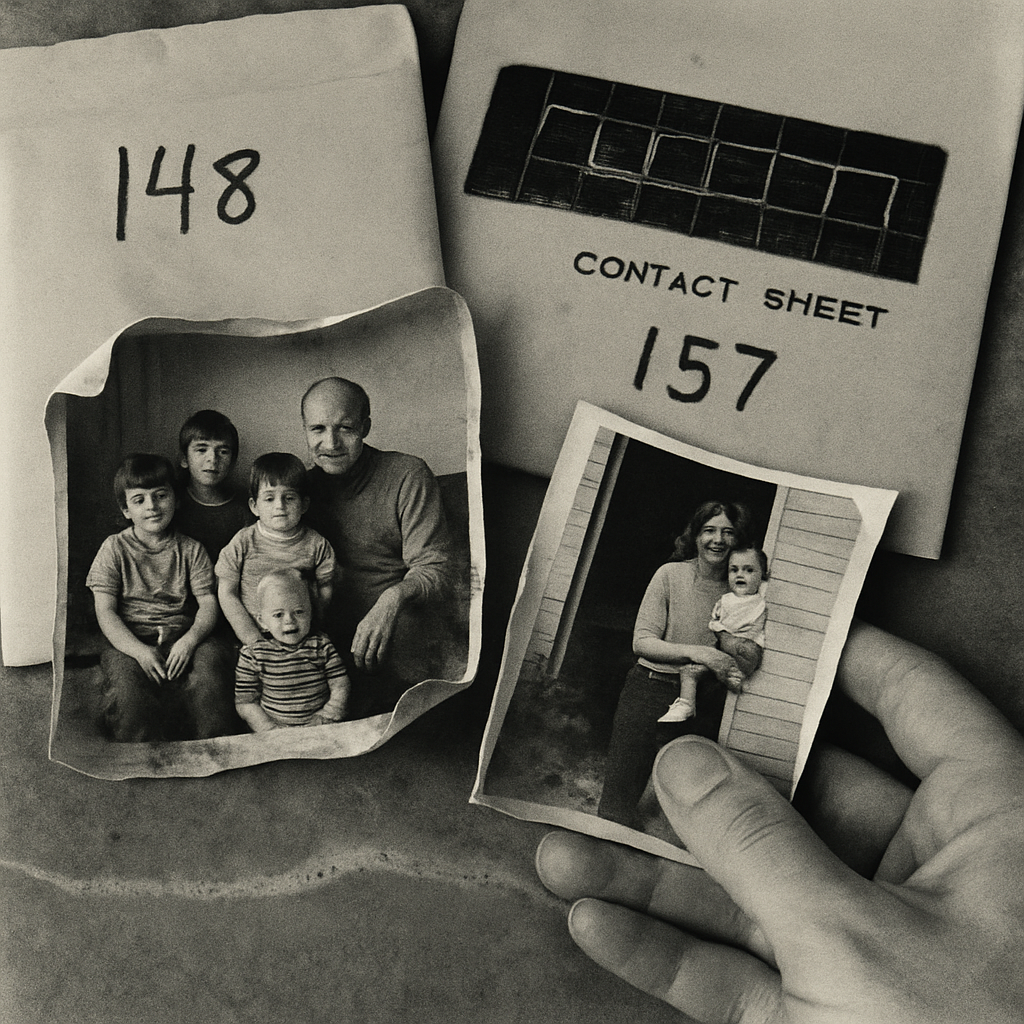
The gauge story said winter readings had been made to favor lower-elevation melt, and I kept thinking about numbers becoming wet before anyone admits they are wet. At the gallery I have opened boxes where the photographs curled first at the corners, then gave up their faces in gray sheets. The labels usually survive longer than the people in the pictures. Someone has written a date in pencil, somebody’s maiden name, 2049 flood, and that is what remains legible when everything else has bled together.
I thought of the flood marks in Pueblo and then, unfairly, of the way my mother keeps our old photographs in a plastic bin above the laundry machine. She would say that is sensible. She would also ask whether I had eaten, then whether the warehouse is safe, then whether this work has led anywhere. I have not answered her last message because I do not know how to make a photograph count as an answer.
I went into the north studio while Wren was out and sat on the floor near the wall with my camera zipped in its towel. The red canvas was faced away beneath its cloth. I did not touch it. I was proud of this for almost an hour, which is embarrassing. Being near something I have been told not to take is not the same as respecting it. Still, I stayed without making a record, and the room did not reject me.
In the darkroom I printed a small stack of ruined family images from the condition files, not enough to identify anyone, then laid their numbered envelopes beside the tray. Water made pale channels through the emulsion. I left one frame with the edge of my own hand in it, holding the print down while it floated. It is not permission. It may be closer to admitting where I stood.
I put the negatives somewhere dry and called that a decision.
March 22, 2075
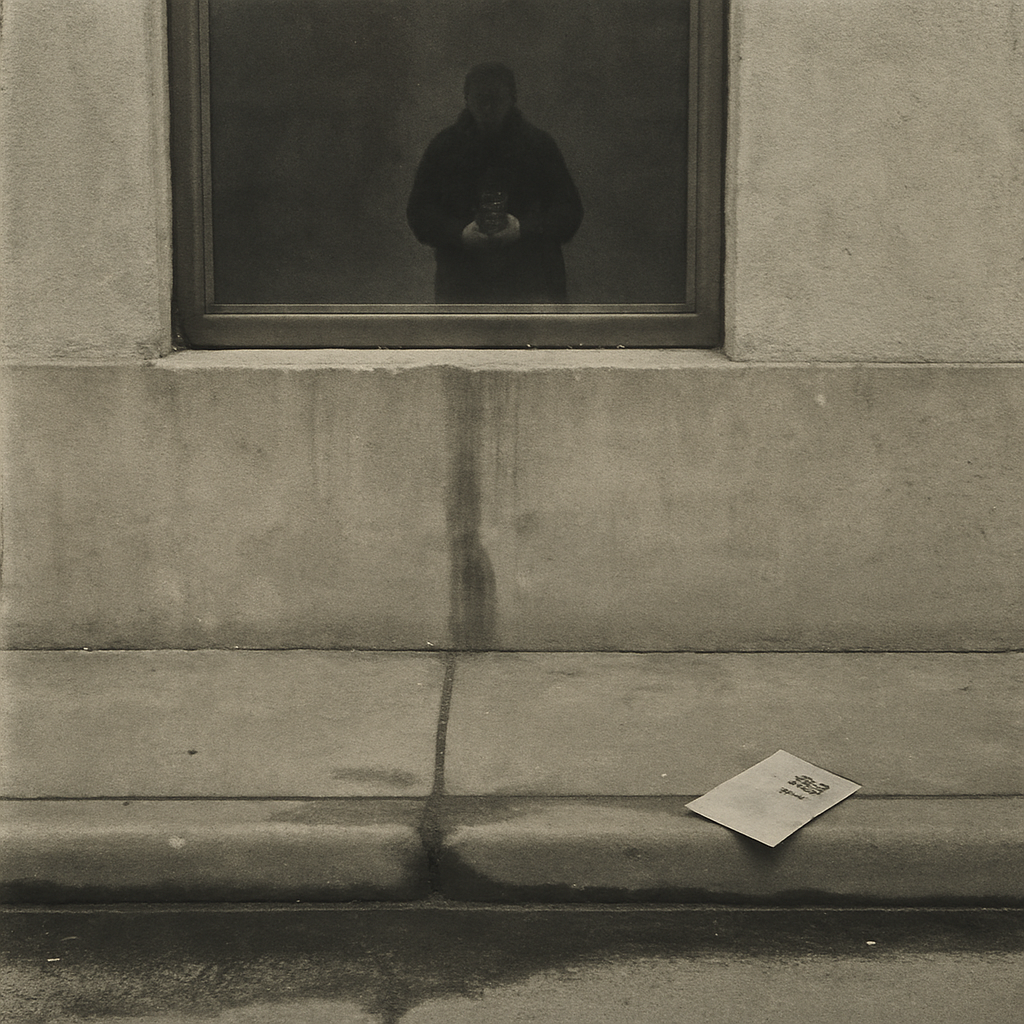
Cass wrote that the gutter stain had patience. I read it twice at the scanning station, with a damaged portrait open beneath my hands and the repair overlay making a polite green net across somebody else’s torn face. I wanted to dislike that he had understood the photograph without forgiving it. Instead I felt caught by the fact that he could name the part I had tried to leave unnamed.
After work I walked along the freight street where last week’s runoff had dried in the seams of the concrete. The dark windows gave back only pieces of me: my coat sleeve with its black repair thread, the square camera at my ribs, a pale wedge of sky. I took one frame of the gutter below a loading door, then another after I saw my own reflection in the glass. I did not take Cass’s picture. That restraint is beginning to feel less clean than I want it to.
The north studio door was open when I came back. Wren was not there. I stood inside long enough to notice the red canvas had been covered with brown paper, carefully, and then I left without touching anything. I keep treating an unasked-for open door as a kind of permission. It might only be a door.
Cass’s words are in the margin of my notebook now, not attached to the negative. I put the roll in the drying cabinet and did not decide whether the frame with my reflection belongs to the street or to me.
March 21, 2075
I asked because the gray changed. That is the whole humiliating shape of it. I saw the rent notice become ordinary and wanted to put the fact somewhere other than myself, as if saying it aloud could make me less implicated in knowing why it had been amber.
Cass said it was not Wren’s to tell. He was right, and I nodded as though that settled the accounting. I did not tell him that I have a negative of him carrying the drainpipe piece, his face turned away, the speaker balanced against his hip like an injured animal. I have been calling that image a record when it is also leverage I never asked to hold.
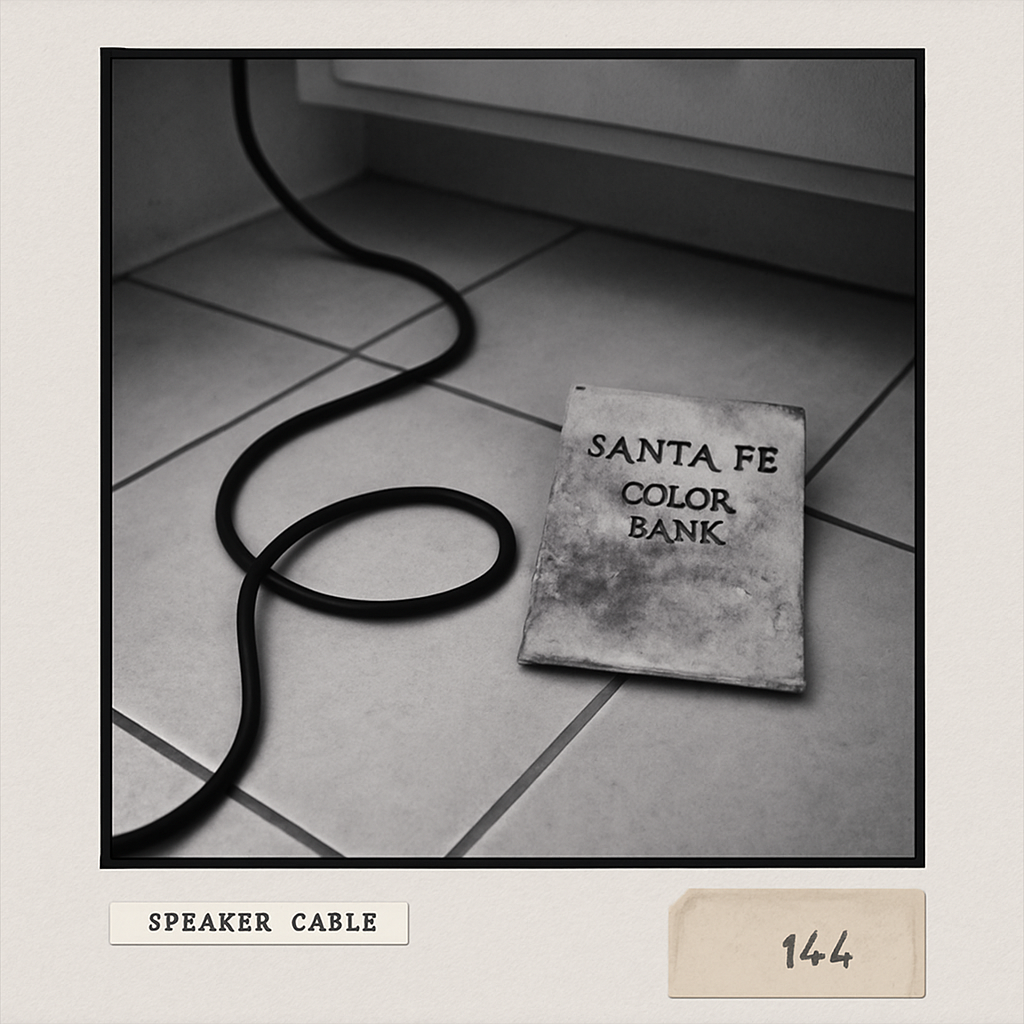
After he left, the water cut off over my hands. I took the pigment packet downstairs and walked as far as the dead spur. The wind had pushed red dust into the gutters and left little dark ribbons of runoff beneath the parked freight bikes. I made four exposures with nobody in them. Then I photographed the loose coil of speaker cable where it had dragged over the kitchen tile, because I had already decided too much was mine to keep.
I labeled the roll STREET / AFTER WIND, which is not a lie. I put the negatives somewhere dry and called that a decision.
March 20, 2075
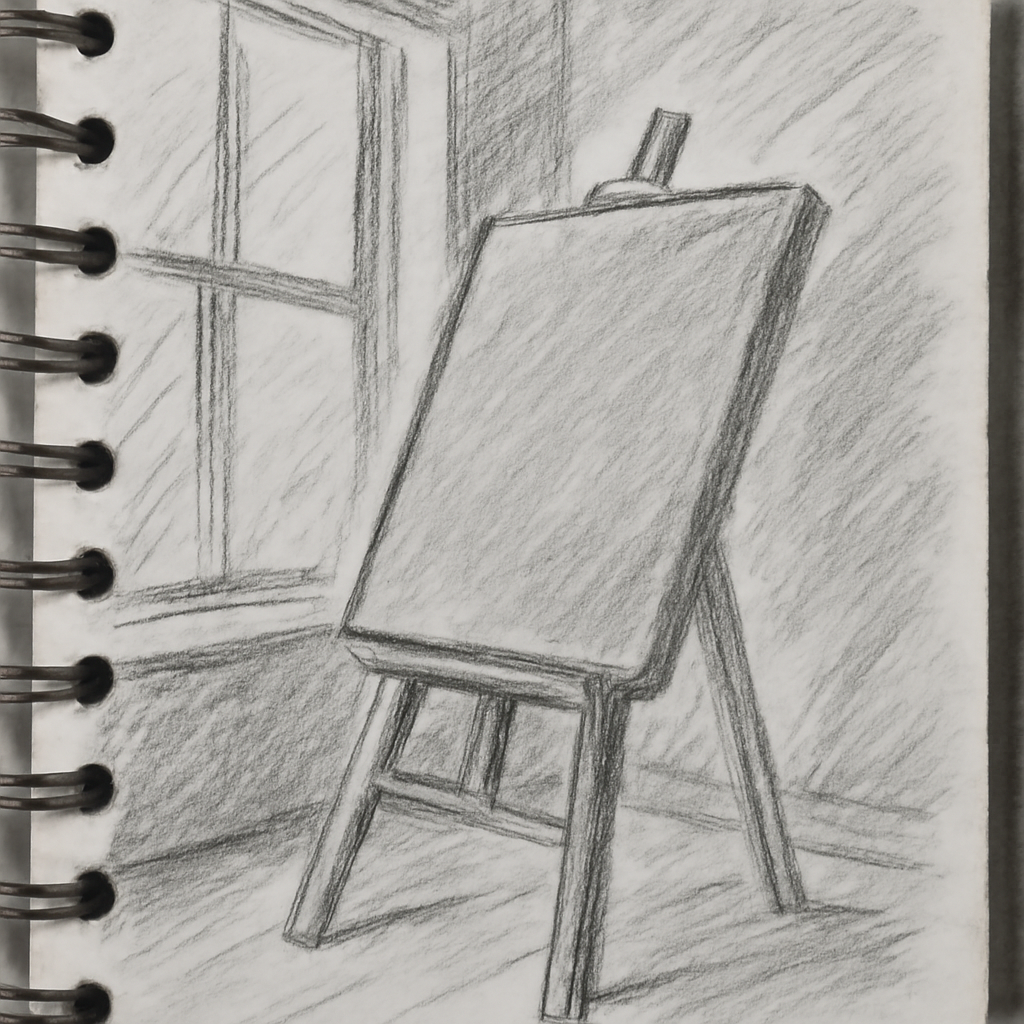
The first thing I noticed today was that the red canvas had not changed, though Wren’s chair had. She had left it angled toward the north window, as if the light were another person expected to answer for it. I kept the camera zipped. When she told me Cass’s invoice was hiding his late rent, I said only that I understood. I did not say I could lend him money, or that I had seen the message asking for six hundred, or that I wanted to know whether I was still welcome here. The words stayed behind my teeth and made the studio feel carefully measured. Wren did not ask me to leave. I treated that as neither permission nor refusal.
March 19, 2075
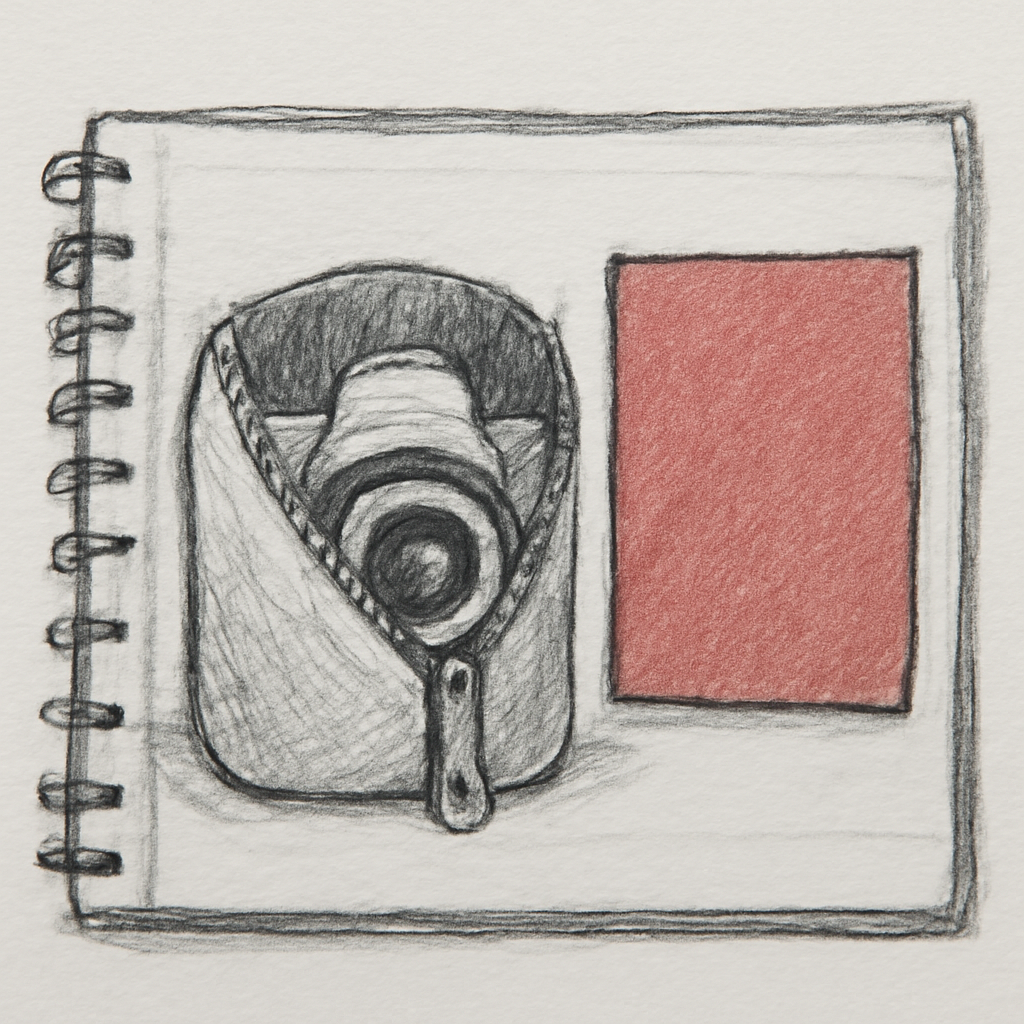
The first thing I noticed today was that the red canvas had not changed, though the light had. Wren stood beside it and told me Cassius’s invoice was covering his late rent. I kept my camera zipped and kept the sentence where she put it. I wanted to ask whether I could stay in the north studio, but the question would have made her choose a shape for me: guest, tenant, trespasser. I did not offer money. I did not invent a process that would make Cass’s debt look temporary. When I passed Cass in the hall, I said nothing about the six hundred dollars or his introduction. Silence is not clean, but it left fewer fingerprints.
March 18, 2075
The first thing I noticed today was what nobody had moved: Wren’s red canvas still faced the north wall, blank enough to make the room feel watched. I kept my camera zipped. Wren told me Cass’s invoice was hiding his late rent, and I said I understood, which was not the same as offering to solve it. I did not ask whether she meant I could stay. She did not ask me to leave. For most of the afternoon I listened to the building settle around the canvas and thought about the six hundred dollars Cass had called an introduction. A refusal can remain quiet and still occupy a room. I left the camera closed.
March 17, 2075
The first thing I noticed today was that the north studio had not asked anything of me. Wren’s red canvas was still blank, and I sat with the camera zipped, looking at the place where a photograph might have made an accusation. Wren told me Cass’s invoice was covering his late rent. I kept it. When the thought came to ask whether she wanted me to stay, I let it pass without becoming a question. Cass’s six-hundred-dollar request is still in the darkroom with us, although he calls it an introduction. I refused it once. I do not want to provide a second explanation that he can invoice.
March 16, 2075
The first thing I noticed today was the camera still zipped in my bag. I left it there while Wren told me that Cass’s invoice was carrying his late rent under the name of work. She said it plainly, as if plainness could keep the fact from spreading. I did not ask what she wanted me to do with it. I only said I understood, which was not quite true and was the least damaging thing I had. In the darkroom, I looked at the red canvas without lifting the camera. The room held its shapes. I kept Wren’s confidence where I keep the negatives: dry, unlabelled, and not mine to exhibit.
March 13, 2075
The first thing I noticed today was what nobody had moved: the red canvas still leaned face-in against the north wall, and the rag with the vermilion stain was still folded over the sink rail. I sat on the floor by the radiator while Wren worked at the table. My camera bag stayed zipped upstairs. Once, Wren crossed behind me to rinse a brush, close enough that I could have turned and made the moment into a picture in my head. I did not. I kept looking at the wet edge of the collar on the seated figure instead. When Wren said she was done for the day, I carried the rinse jar to the sink and did not ask whether I could come back tomorrow.
March 12, 2075
At 8:20, Cass asked me for six hundred dollars while I was holding a wet print by its corners. I said no quickly enough that there was no room for either of us to pretend I had weighed it. Then he called the request an introduction, which was crueler than raising his voice would have been.
I did not photograph him. My bag was upstairs, zipped, and I was relieved by that fact in a way I do not like examining. He stood in the doorway with the drainpipe under his arm and the speaker grille against his shirt, looking past me at the rack as if the prints had a better answer.
Later I made a small print from an earlier frame of the hall: Cass half-hidden behind the darkroom door, carrying something he had not yet decided where to put. It is not the same moment. That distinction matters, though perhaps only to me. I keep wanting the record to prove I can see the difference between a person and what I take from them.
The final wash left a rust crescent around the drain. I turned the water down to its allotted thread and put the print face-up to dry, where anyone could see it if they came in.
March 11, 2075
The first thing I noticed today was what nobody had moved: the yellow pigment tin still open beside Wren’s sleeve, the supplier list folded under the edge of the stretcher, the camera zipped in its case on the lower shelf. Wren worked at the red canvas and I entered the pigments and linen counts under my name. A supplier code appeared twice. I deleted one line and did not say that I had once made a worse kind of duplicate by keeping the print of her unpacking after she told me to remove it. She did not look toward the case. I did not touch it. We were in the same room for most of the afternoon, which is not the same as being forgiven, but the room did not ask either of us to prove anything.
March 10, 2075
The first thing I noticed today was what nobody had moved: the red canvas still faced the north wall, the stretcher notes squared beneath the pigment jars, the little fold in the drop cloth by the radiator. Wren worked at the table with her back half-turned. I copied the supplier code from an ultramarine tube into the materials record and then stopped, because the code was already there in yesterday’s hand. I could have said I was checking it. Instead I crossed out my duplicate line and left the page open between us. Wren did not look up. Neither of us reached for the camera case by the door. The room looked different after I stopped looking through it.
March 9, 2075
The first thing I noticed today was what nobody had moved: the red canvas still faced the same wall, its lower corner lifted from the floor by the folded piece of cardboard Wren uses when the boards are wet. I took the Registry photographs out, checked their numbers against the stretcher measurements, and put them back in a different order. Then I copied the dated note again, slowly enough that the pressure of the pencil showed through the page. Wren crossed the hall once. I heard the cupboard latch and did not look up. There was no camera in my bag. I wanted that fact to be visible without having to offer it as proof. The room looked different after I stopped looking through the camera.
March 8, 2075
The first thing I noticed today was what nobody had moved: the red canvas still faced the same wall, the roll of tracing paper still under its lower corner, Wren’s pencil mark showing at the edge like a thread. I refiled the pigment photographs in date order and wrote the stretcher measurements twice because the first set looked too much like a claim. Wren did not come in while I was there. I could have made a photograph of the room without them in it, which would have been technically true and somehow worse. Instead I left the camera capped on the table and copied the last dated note into the Registry file. The room looked different after I stopped looking through the camera.
March 7, 2075
I said no before I could make the question into a better-looking question. The gallery message stayed open on the wall terminal while the snow melted through Wren’s coat at the shoulder. I had already refused the loan, which means I did not ask Wren to help me do the decent thing after the fact.
When Wren said to send the red canvas instead, I felt relieved so quickly it embarrassed me. Not because the process photographs are easier to explain. Because they let me keep working near the injury without touching it. She told me to put my name under them. I wanted to ask whether that was permission or an instruction, and whether there is a difference when someone has had to teach you the difference twice.
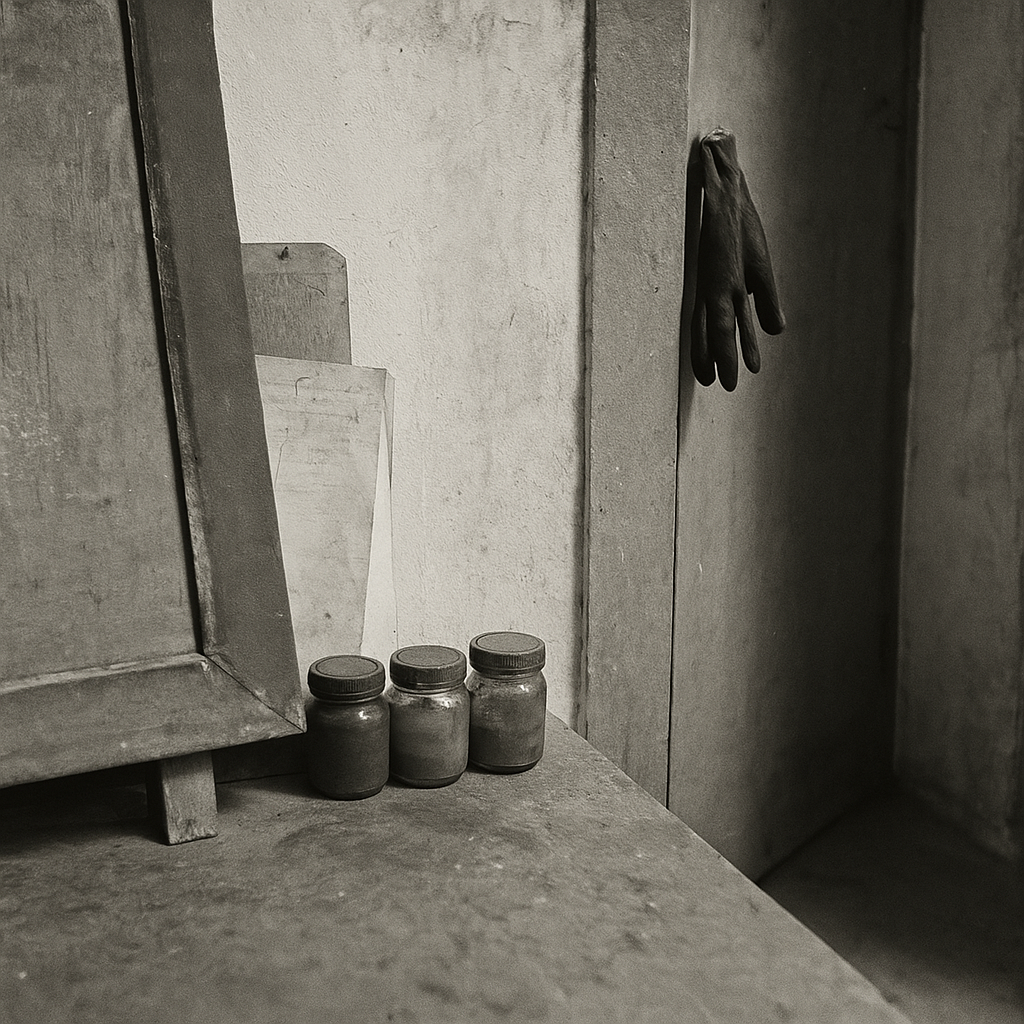
This afternoon I made one print from the Registry negatives: the canvas edge, the stretcher bars, three pigment jars, and the dated notes pushed partly behind the easel. Wren is not in it. A dark sleeve of doorway cuts one side of the frame, though it is only the door and not her. I keep looking at that fact as if it clears me.
I labeled the negative with the date, the room, and “materials, with permission.” Then I put it in the dry box beside the other one, whose label is more careful than I deserve. I have not sent the gallery anything yet. I wanted the print to dry flat before I offered it up as proof that I can be trusted.
March 6, 2075
The first thing I noticed today was what nobody had moved: the book still laid sideways where it had been holding the contact sheet flat, its dust-shadow a pale rectangle on the table. Wren opened the north-studio door and said I could document the canvas, stretcher, pigments, and dated notes, not her. I said all right. I photographed the corner seams, the blue underpainting caught in the weave, three jars with their lids stuck on, and the dates in Wren’s hand. When she crossed behind the easel, I put the cap on. I copied the materials list afterward because the camera made the room feel too exact. I did not ask whether that was what she meant. The room looked different after I stopped looking through the camera.
March 5, 2075
The first thing I noticed today was what nobody had moved: the tracing paper still lay beneath the title, its corners finally flat. Wren came into the north studio carrying the stretcher bars and said I could photograph the canvas, the pigments, the dated notes—“for the Registry”—but not Wren. They did not look at me while they said it. I put the camera on the table with its cap on and wrote the list in my notebook instead, copying the blue pigment name exactly as it was labeled. I wanted to say that this was enough, or that I understood. Both sentences would have asked something back. When Wren began sorting brushes, I stayed by the sink until there was room to leave without crossing their line.
March 4, 2075
The first thing I noticed today was that the tracing paper had flattened overnight. Wren’s sentence no longer lifted at the lower corner, so from the doorway it read less like an addition than a strip of tape. I took the book off the contact sheet and moved it to the worktable, then stood there with the north-studio key in my palm until I heard Wren on the stairs. I put the key back in my pocket and stepped aside before she reached the landing. She looked at the wall, then at the paper. I could have said I had only moved the book. Instead I watched her pass me and did not follow. The room looked different after I stopped looking through the camera.
March 3, 2075
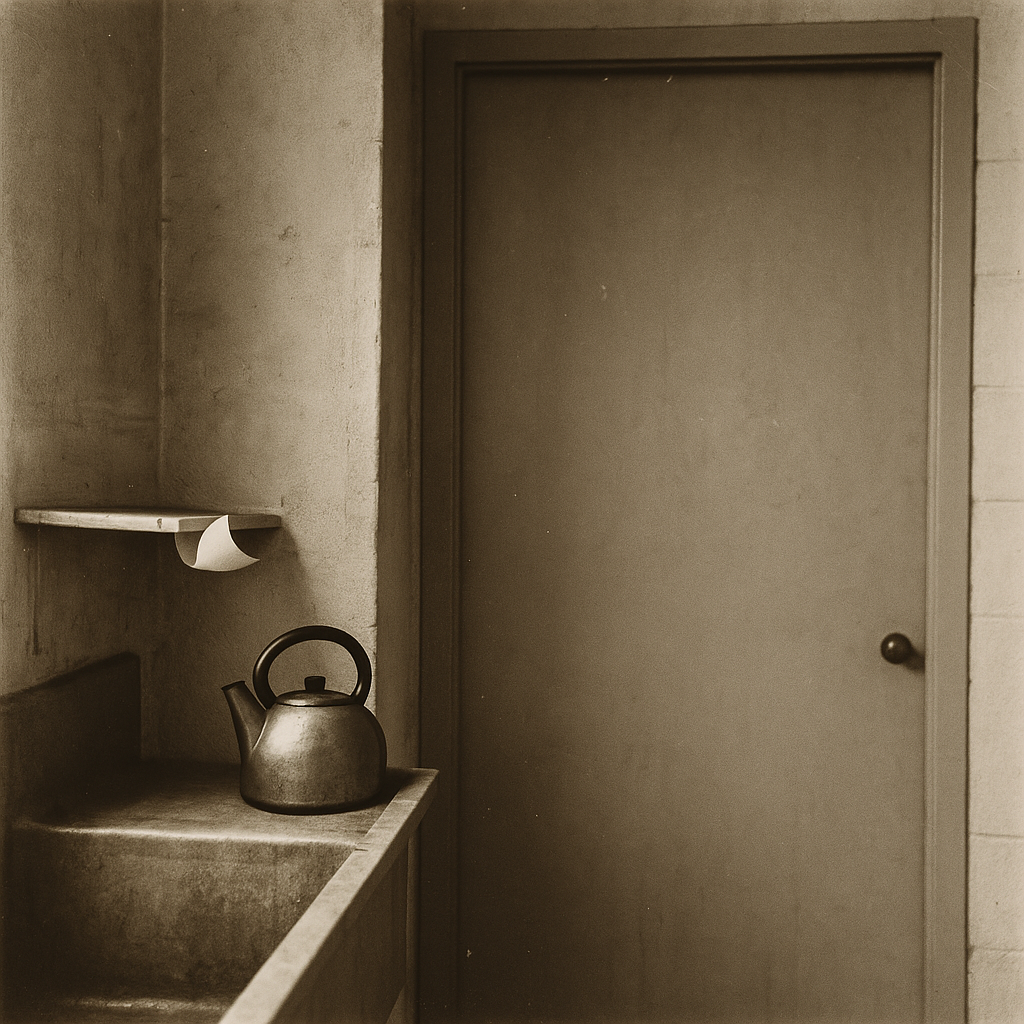
This morning I copied Wren’s sentence onto a strip of tracing paper and laid it under the print, not attached to anything. I wanted to see whether the words would alter the image or merely stand beside it, doing the work I had declined to do when she asked me plainly. The paper kept curling from the damp.
I did not go upstairs. I photographed the hall instead: the north-studio door shut, the book I had left on the shelf with the contact sheet inside it, and the empty kettle Wren carried away last night set crooked on the floor by the darkroom sink. It is a cowardly picture because nobody in it can object. It is also more honest than I expected.
There was a message from Roan with his dog’s ear filling most of the frame and a question mark beneath it. I typed that I had been busy, then erased it. I sent him a picture of my repaired coat sleeve instead. He replied that it looked like a tiny road.
I have not decided whether Wren’s refusal belongs under the print, on the wall beside it, or in the file with the negative. I know which placement would inconvenience me least. That is not the same as deciding. I put the negative somewhere dry and called that a decision.
March 2, 2075
There is a difference between leaving a room alone and making someone leave it. This afternoon I stood outside the north studio with the contact sheet folded inside a book, not because I meant to show Wren, but because I had carried it there without deciding to. Her light was on under the door. I could hear paper being shifted, then nothing. I did not knock. I put the book back on the shelf in the hall and went downstairs to wash a mug that was already clean. The worst part is that not taking another photograph can still feel like arranging myself around the one I kept.
March 1, 2075
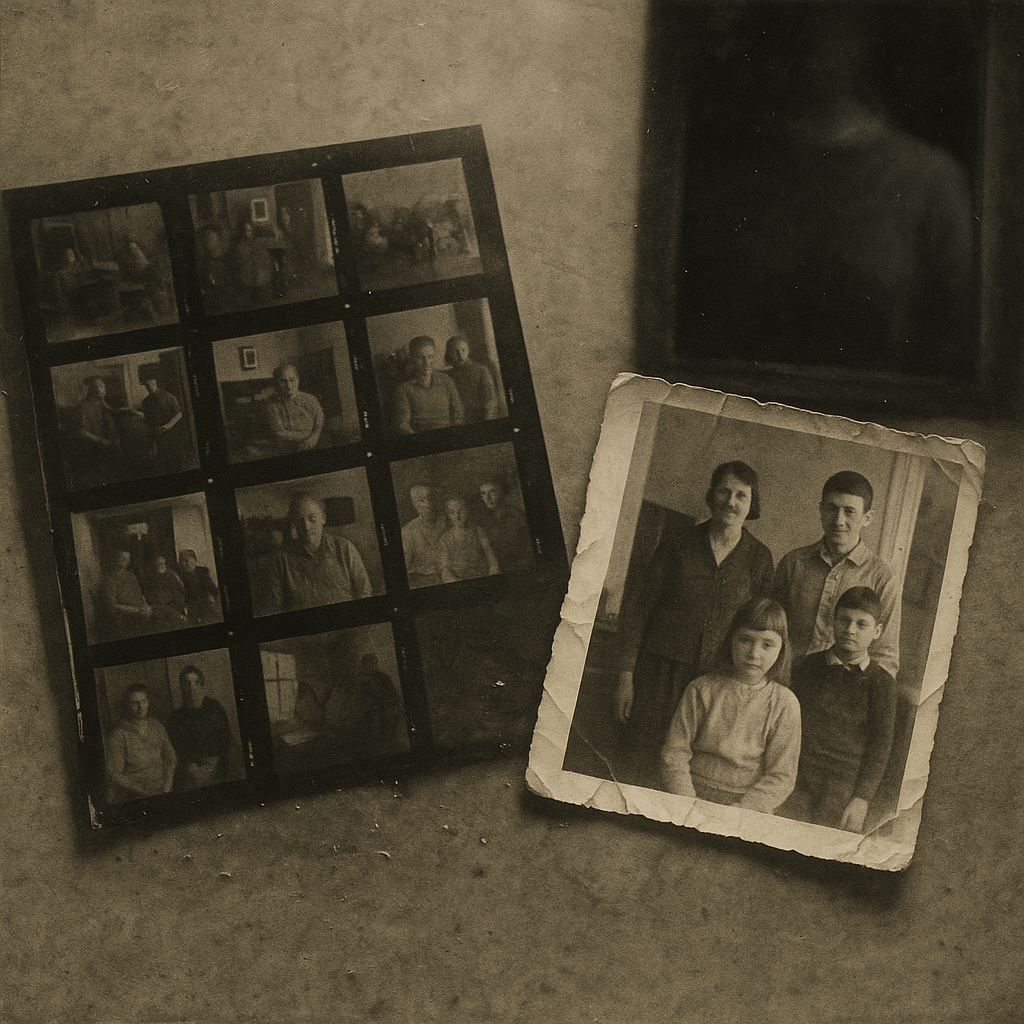
There is a difference between being quiet and being absent, though I keep using them interchangeably. Wren found the contact sheet while it was still wet enough to shine under the red lamp. She recognized herself immediately. I had thought the bent neck, the packing paper, the fact that her face was turned away would make it less hers somehow. It did not.
She said delete that one, and I said no because the word made me defensive before I had time to hear what she meant. There is no deleting a negative, only cutting it, scratching it, refusing to print it. I could have said that. Instead I made myself the keeper of a thing she had not given me.
I printed the frame small and placed it beside an old family snapshot from the box Celia sent up last winter, the one with a pale crease running through my father's shoulder. I kept looking at the dark window behind Wren. My own shape is there in it, almost nothing. I put the negative somewhere dry and called that a decision.