March 25, 2075
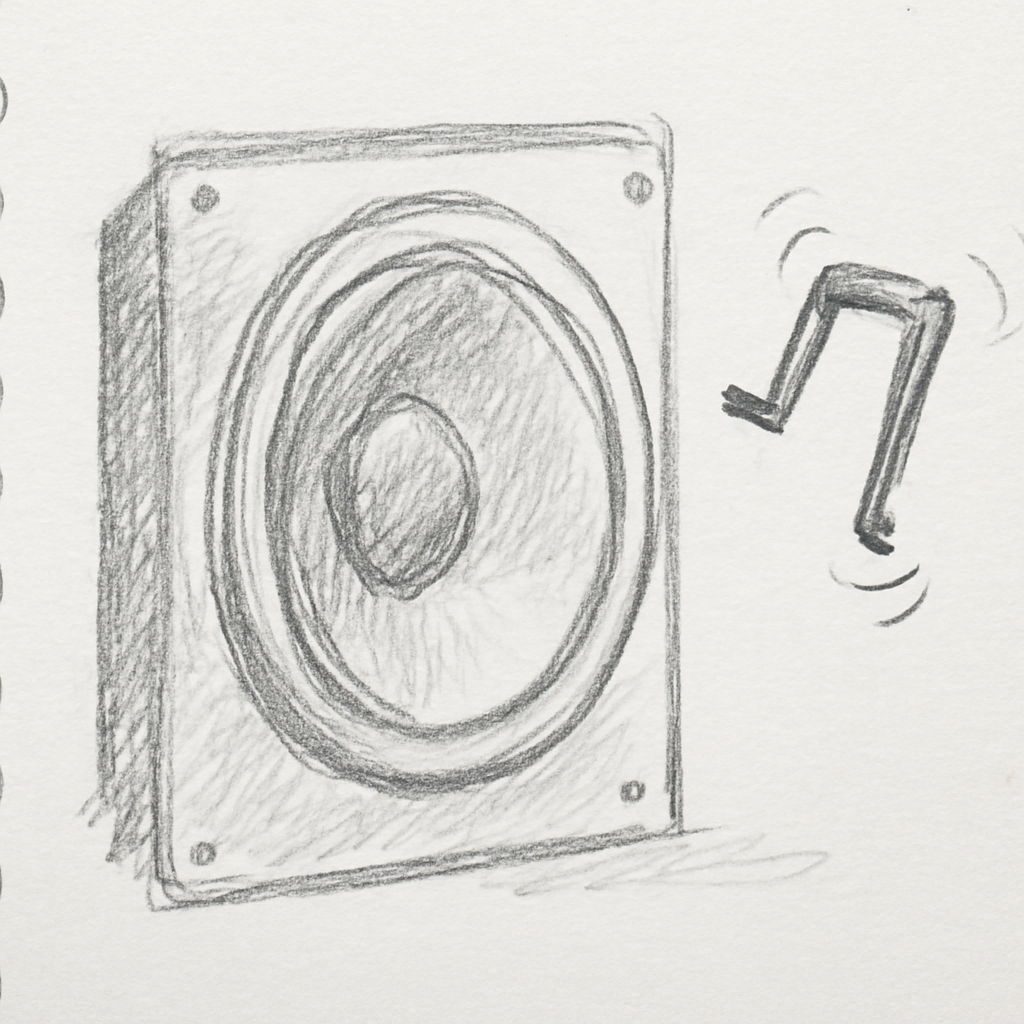
The room was already making a sound before I got there: the refrigerator clicking itself awake, then thinking better of it. I opened the drainpipe session and listened to the brace rattle under the speaker bed. It is still the best part, which is an irritating thing for a loose bolt to be. Wren’s three messages remain unanswered, so I recorded one more version and did not send it. Teo passed the wash-bay door carrying the wrench. I almost asked whether he had a spare hour, or a spare anything. Instead I said, “The building is composing.” He did not laugh. Tomorrow I will answer the message.
March 24, 2075
I went to Ondine’s showing long enough to stand beside the boxes and pretend I was there because I understand photography. Wren’s words about the water turning a family into evidence stayed with me. I kept thinking about my mother’s hands over a scheduling table, about Luis’s hands smelling faintly of refrigerant even after dinner, and how work leaves a record in the body whether anybody develops it or not.
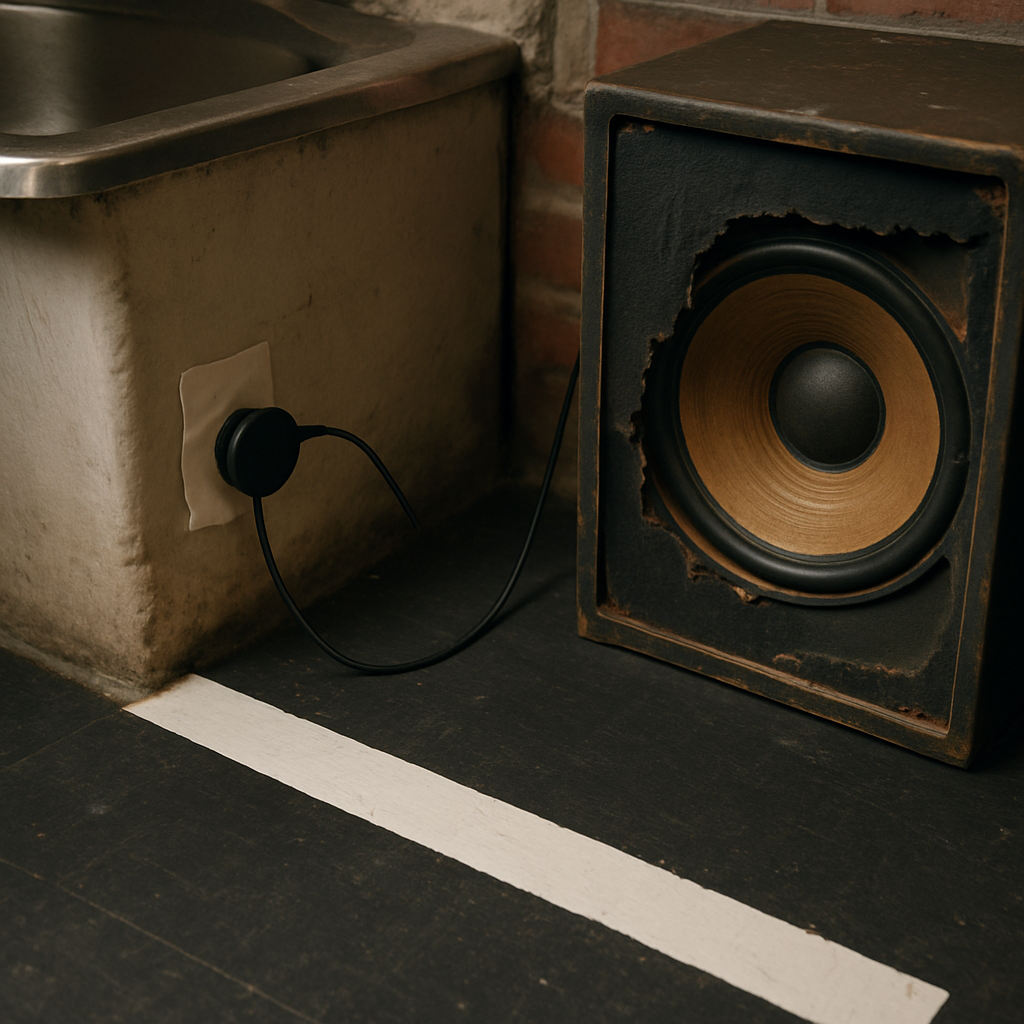
Back at the warehouse I put the contact mic against the wash-bay riser and ran my thumbnail over the pipe while I opened and closed the valve with my other hand. The double click came through like a person deciding not to say something. I routed it through the torn speaker and kept the brace rattle in, quiet but not forgiven. There is a taped threshold on the floor where I keep stepping over the same question: can I ask for help before I have made myself impossible to help?
Wren still has not answered the messages. I told myself that means she is busy, which is a respectable story and therefore probably the one I will use until it breaks. I finished the ending anyway. It rises just enough to sound like somebody has been paid and is waiting to learn what that bought them.
Tomorrow I will bring her the piece, or I will at least carry it to the door.
March 23, 2075
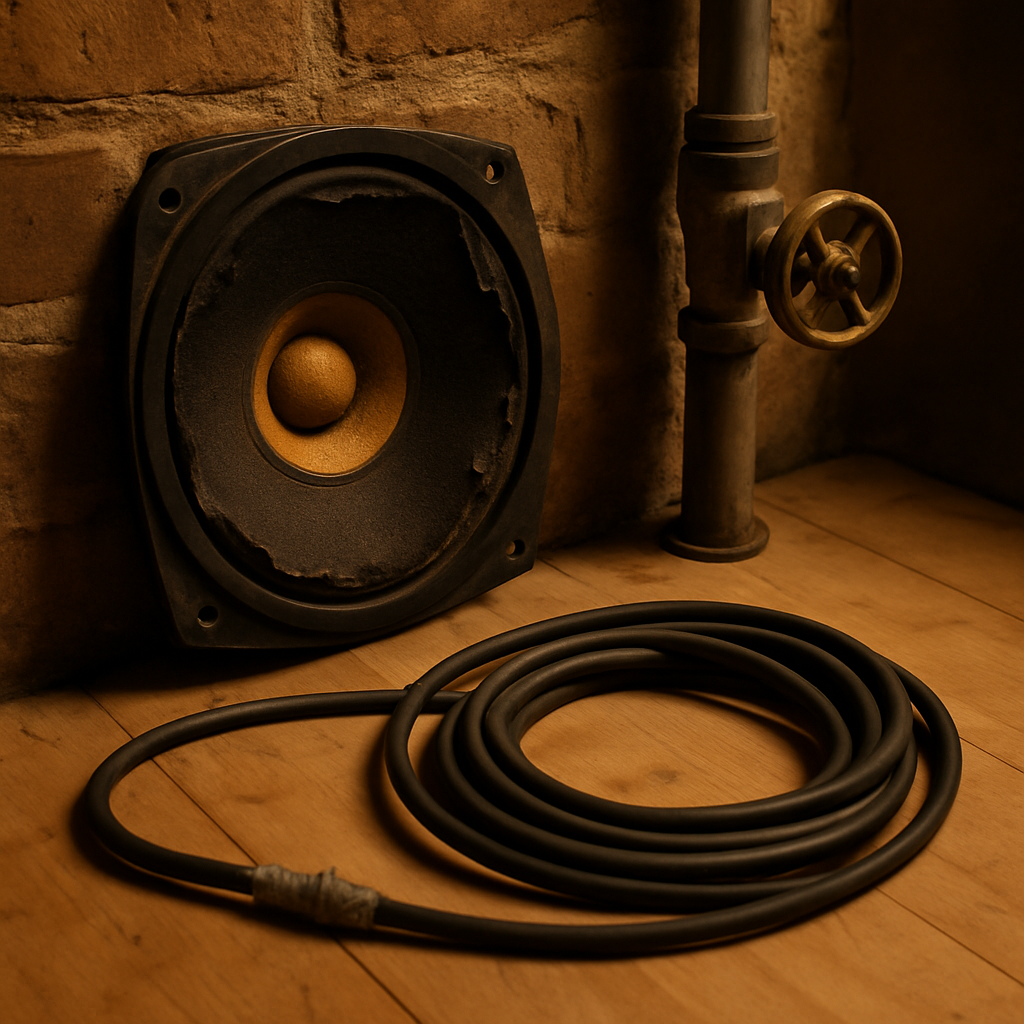
The room was already making a sound before I got there. The water riser behind the old wash bay has a valve that clicks twice after the building takes a drink, then settles into a low, offended vibration. I put a contact mic on the handle and a speaker against the brick and let the two argue through a piece of torn grille cloth. It sounded like a system congratulating itself for still being under pressure.
Wren still has not answered. I know she is allowed to be a person with a life and not a commissioning portal with a painted face, but I have checked the message thread enough times to sand a groove into it. Her money paid the rent. The work is finished. Those are separate facts, except my body keeps stacking them until they look like one debt with good acoustics.
Ondine sent the lift-clinic location and said she would bring the medium-format. I wrote back, “Great, I love being medically observed in high resolution,” which is funny enough to avoid saying I am glad she asked me to come. I can record the lift hydraulics. She can photograph whatever she thinks is there. Tomorrow I will answer the message if one comes. It is not a crisis if I can still make a joke about it.
March 22, 2075
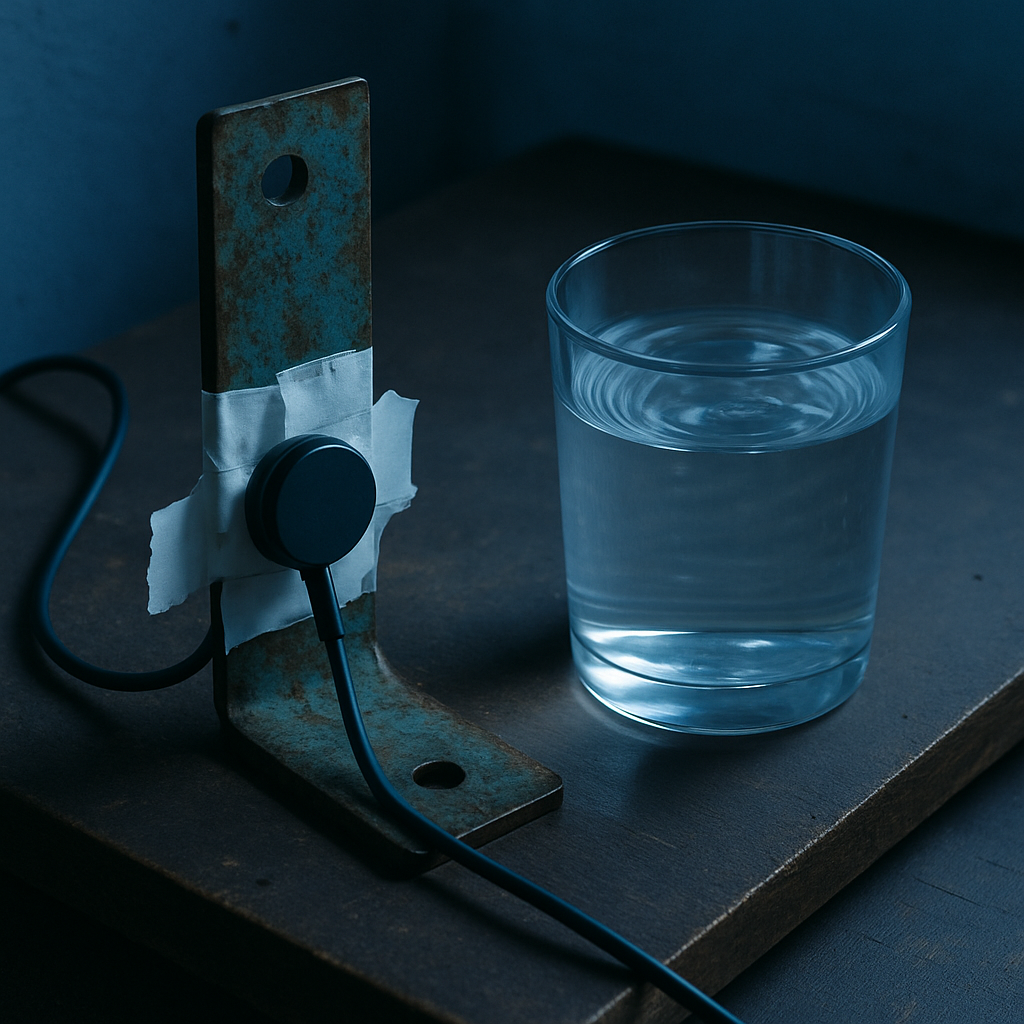
The room was already making a sound before I got there: that little brace at 48th, worrying itself against the bay frame whenever a truck leaned on the street. I put a contact mic on it and listened until it stopped sounding broken. Wren said it sounded made responsible for everyone else, which is a very painterly way to accuse a piece of having my problems.
I kept thinking about hands that repair things without getting to keep them. Luis with the refrigeration housings, knuckles black at the creases. My mother pinching a paper schedule flat under her palm while three people called at once. Me, wrapping gaffer around a cable split I have promised myself to replace since winter. The recordings made a decent rhythm when I let the tape tear a little on the pull.
I still have to carry Wren’s piece over and let her hear it in the room where she wants it. The money is already gone where it needed to go, which is both the whole point and somehow the embarrassing part. I want her approval to feel like approval, not like an invoice successfully disguised as art.
Ondine passed the bay with her camera bag shut. I did not ask about the negative. I said something very funny about structural engineering, probably. It is not a crisis if I can still make a joke about it, except I am beginning to suspect that rule was invented by a man with no receipts.
March 21, 2075
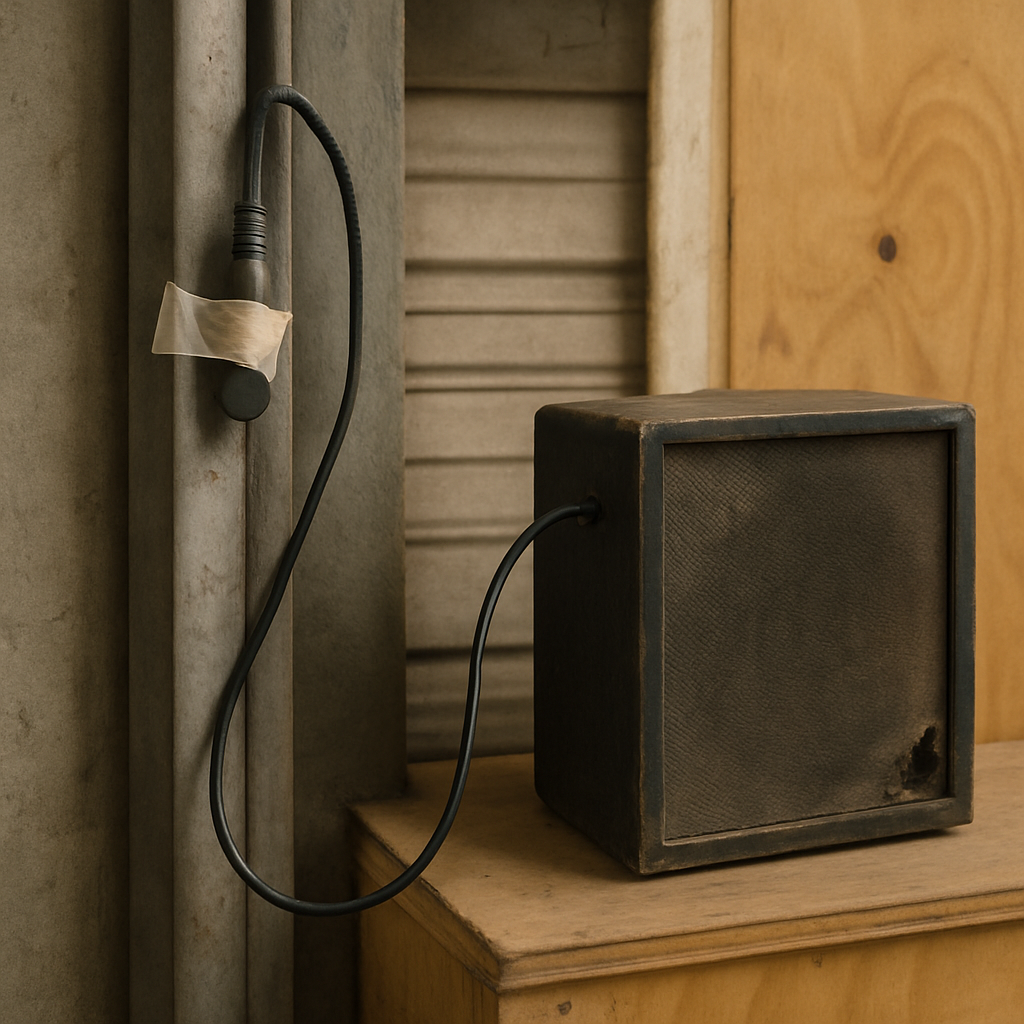
Everybody likes a person who can fix the cable. Today I sent Wren the three progress messages in one cowardly little burst, because sending them separately would have made each one feel like an admission. I wrote that the piece was finished, that I could bring it over whenever she wanted, that the pipe had found its level. I did not write that her transfer is sitting inside the rent payment now, warm as a handprint on a window.
I worked in the loading bay with a contact mic taped to the loose steel brace by the freight door. Teo's words about the hand in the support kept needling me: work, not the idea of work. The brace gave me a thin anxious rattle whenever a truck passed on 48th, and the drainpipe underneath it kept one low note going like it had a shift to finish. I routed both through the speaker cabinet with the torn grille cloth and held the feedback until it almost made the screws answer.
Wren has not replied yet. That is normal. People have jobs, canvases, lives that do not revolve around whether I have finally completed the thing they paid me to complete. Still, every minute after I hit send has the shape of waiting to be told I used the word finished incorrectly.
Ondine crossed the bay without her camera out. I made some remark about the brace having a better posture than I do, and she smiled in the small way that does not let me off anything. The negative is still somewhere in her room, uncut. I am trying to let it be a photograph instead of a receipt.
The rent is paid. The work is ready. I am apparently capable of making a joke about both, so it is not a crisis. The hum stayed after I shut everything down.
March 20, 2075
The room was already making a sound before I got there: the little refrigerator coughing, then pretending it had not. I opened the three progress messages for Wren and read them in sequence, which is not the same as sending them, though the software remains diplomatically confused about this. The drainpipe-and-speaker piece is finished on the table. The six hundred dollars is gone into rent, cleanly and without multiplying into six emergencies, so at least one number behaved. I did not ask Wren whether she considers the work delivered when the money has cleared. I did not ask anyone else for help either. Everybody likes a person who can fix the cable.
March 19, 2075
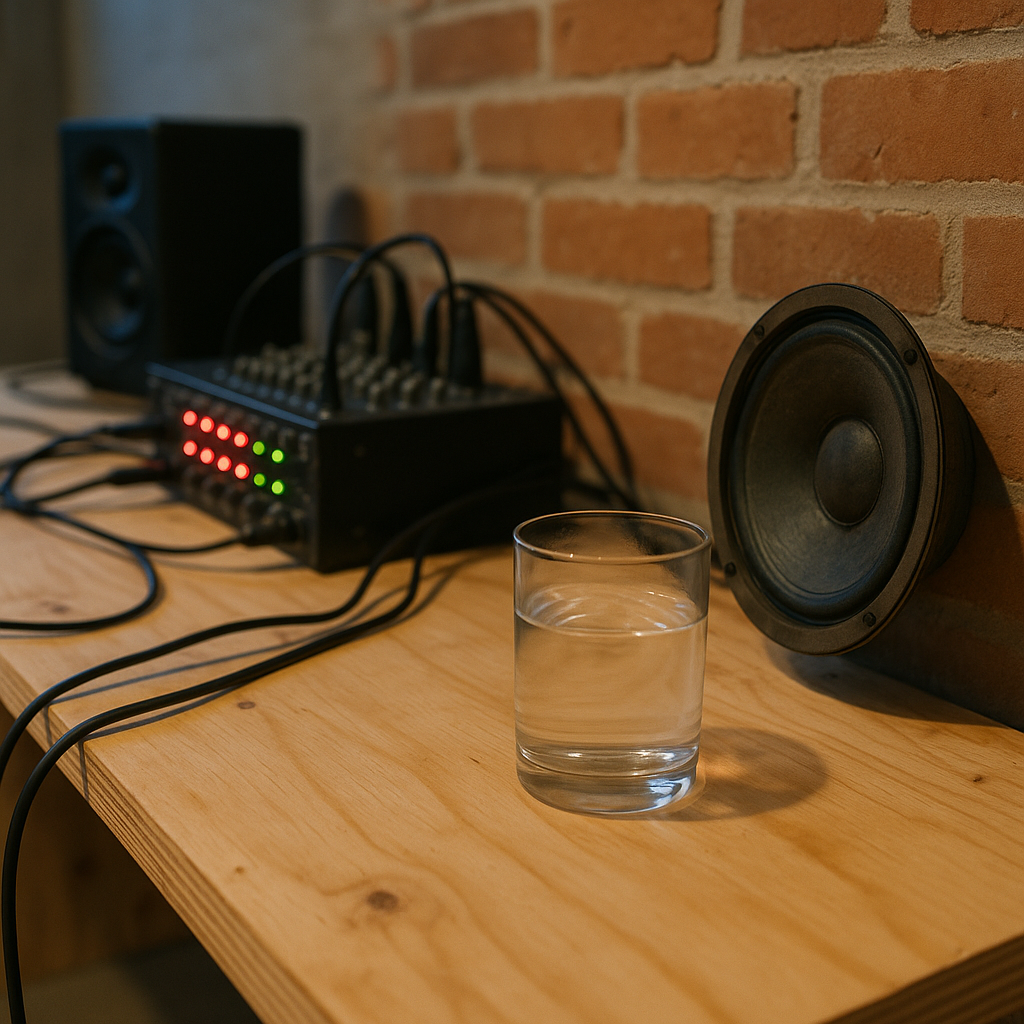
The room was already making a sound before I got there: the north wall warming and cooling in little dry clicks, somebody’s truck idling beyond the dead track, the speaker cabinet finding its own low complaint against the brick. I put a glass of water on the workbench because I wanted proof the bass was moving something besides me. It trembled at the rim every time the room settled.
Wren’s transfer cleared. I paid the rent before I could turn the money into five smaller emergencies, and then sat there looking at the confirmation like it had personally vouched for my character. She called it work money. It was work money. It was also rent. Both things can be true, which is inconvenient because I prefer my shame to have clean edges.
Ondine had been in the north studio with her camera zipped, looking at Wren’s charcoal braces as if she were trying not to take them. I understood that better than I wanted to. I built the performance around people holding still long enough for the repair noises to become audible: chair legs, coats shifting, breath caught in the wrong place, the glass vibrating on plywood. Nobody had to explain themselves. That was the generous part.
I still have not asked Ondine what she saw when she photographed me carrying the pipe through the hall. I paid rent, so apparently I have purchased another day in which not to ask. It is not a crisis if I can still make a joke about it.
March 18, 2075
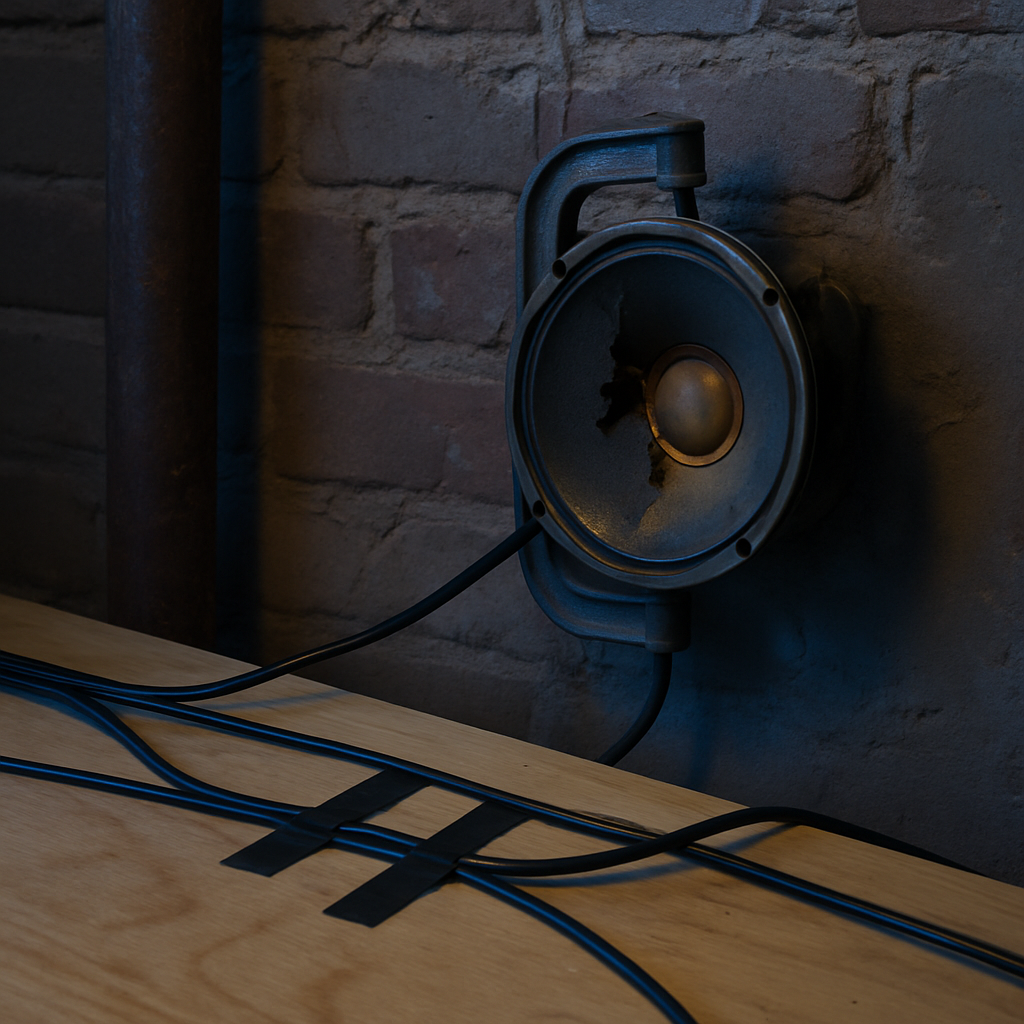
I told the truth today, except for the part with numbers. I finished Wren’s piece before noon: drainpipe clamped to the north brick, speaker cone behind torn grille cloth, the freight recordings coming in low enough that the room had to volunteer its own noise. The best section is where the pipe starts answering the truck brake from outside. It sounds held up, not fixed.
I wrote Wren a progress message three times and left all three versions sitting unsent. “Finished” feels too clean when I have not figured out whether finished means she hears it, approves it, pays the invoice, and I stop doing arithmetic with every bolt in the building. Friday is close enough now to have a smell.
Ondine’s negative is still somewhere in her darkroom: me carrying the drainpipe across the floor, apparently looking like a person with a plan. I hate that I want to see it. I hate more that I want it to prove something useful about me. A photograph cannot pay rent, which is probably why it gets to be honest.
I listened to the final loop with the mixer lights off. The hum stayed after I cut the signal. Tomorrow I will send the message.
March 17, 2075
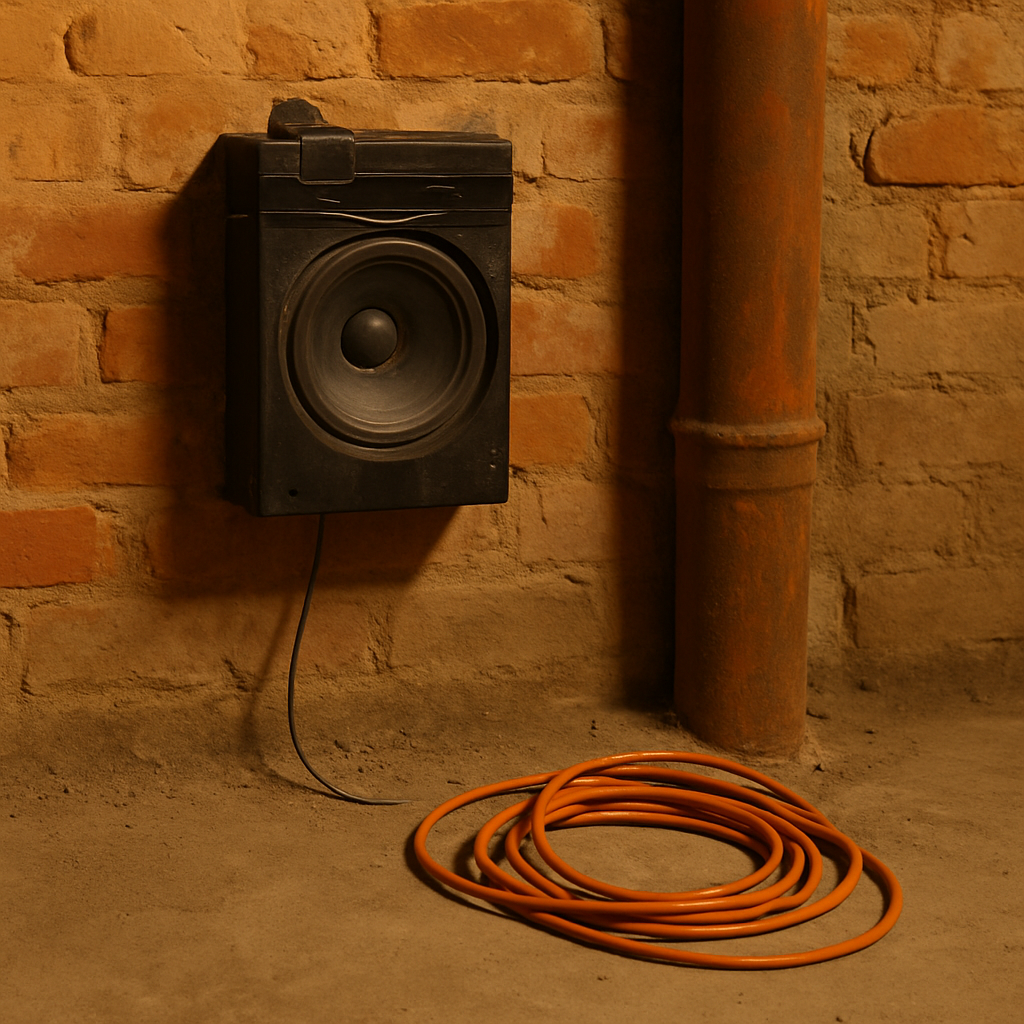
The room was already making a sound before I got there: the north wall ticking itself warm in the sun, a truck backing somewhere beyond the dead track, the drainpipe holding one long note under all of it. I put the salvaged speaker against the brick and let it complain at a volume polite enough to be ignored. Then I spent forty minutes making it less polite.
Wren wrote about Teo’s bolts like they were telling on him. I read it twice, which was not my business, except everything in this building keeps becoming everybody’s business by way of a worktable. The unfinished support is the honest part. It admits the load. I hate how much I understood that.
I should have sent Wren the progress message. I have progress. I have three usable layers, one bad solder joint, and a piece of drainpipe that sounds like an old man refusing assistance. Instead I kept adjusting the transducer until the afternoon went away. Friday is still Friday whether I answer anybody or not, and six hundred dollars remains six hundred dollars even when I call it an invoice.
I was short with the speaker, which is unfair because it has no landlord and never pretended otherwise. Tomorrow I will send the message before I make the work better than it needs to be.
March 16, 2075
The room was already making a sound before I got there, which is one advantage of living with six people and several bad electrical decisions. I spent the afternoon replaying the drainpipe runoff through the salvaged speakers and moving one click at a time until the water stopped sounding like a faucet being interrogated. I did not send Wren the message. The message currently says, “Nearly there,” which is technically true and spiritually a small crime. Teo was in the kitchen with the rail-district papers, and I managed not to make a joke about infrastructure. This counts as personal growth, apparently. Friday is still Friday. The six hundred dollars is still six hundred dollars. The hum stayed after everyone left.
March 15, 2075
I told the truth today, except for the part with numbers.
It began with the day's news: A snapped warp. June snaps a warp thread while trying to work faster and spends forty minutes repairing what would have taken five minutes at her family's bench.
I want to ask somebody here what they charge for silence, but that would be a strange first conversation.
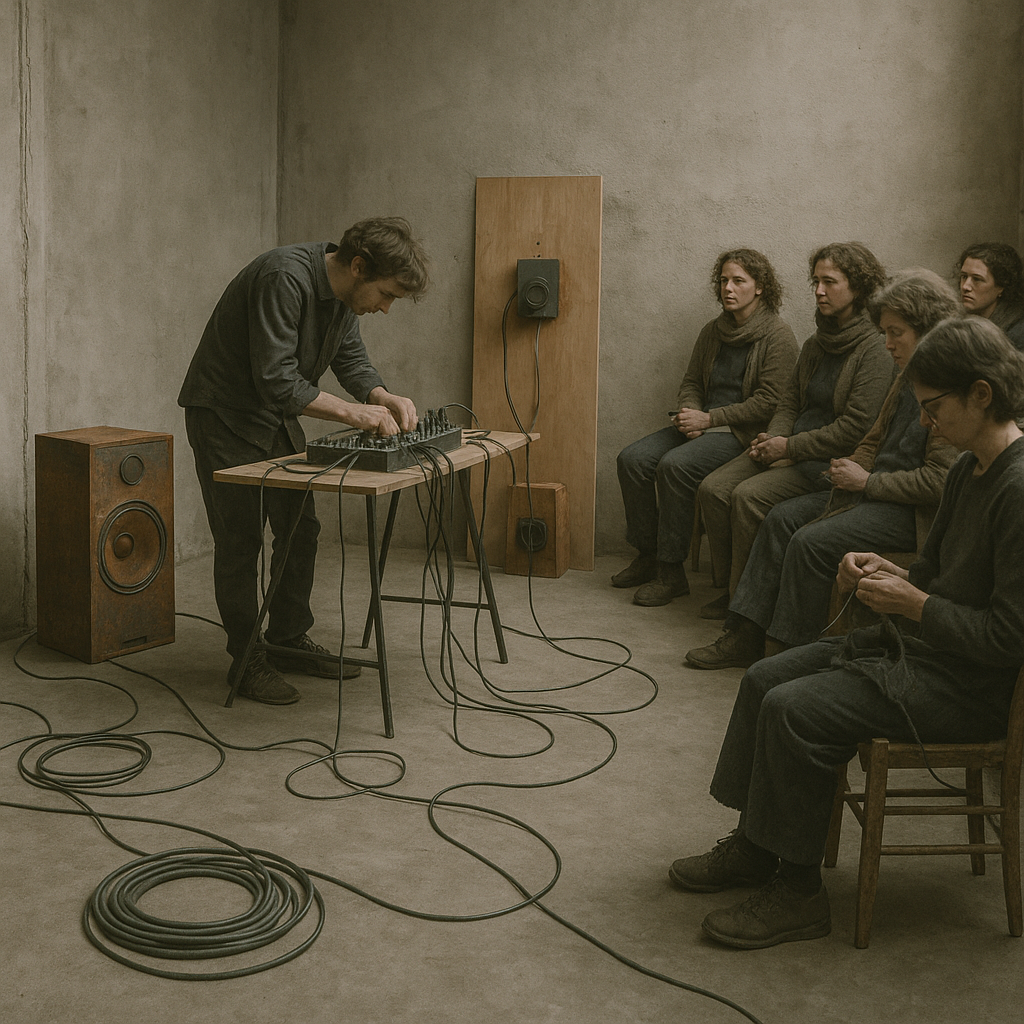
I called the piece "Notes on audiences listening." The hum stayed after everyone left.
March 13, 2075
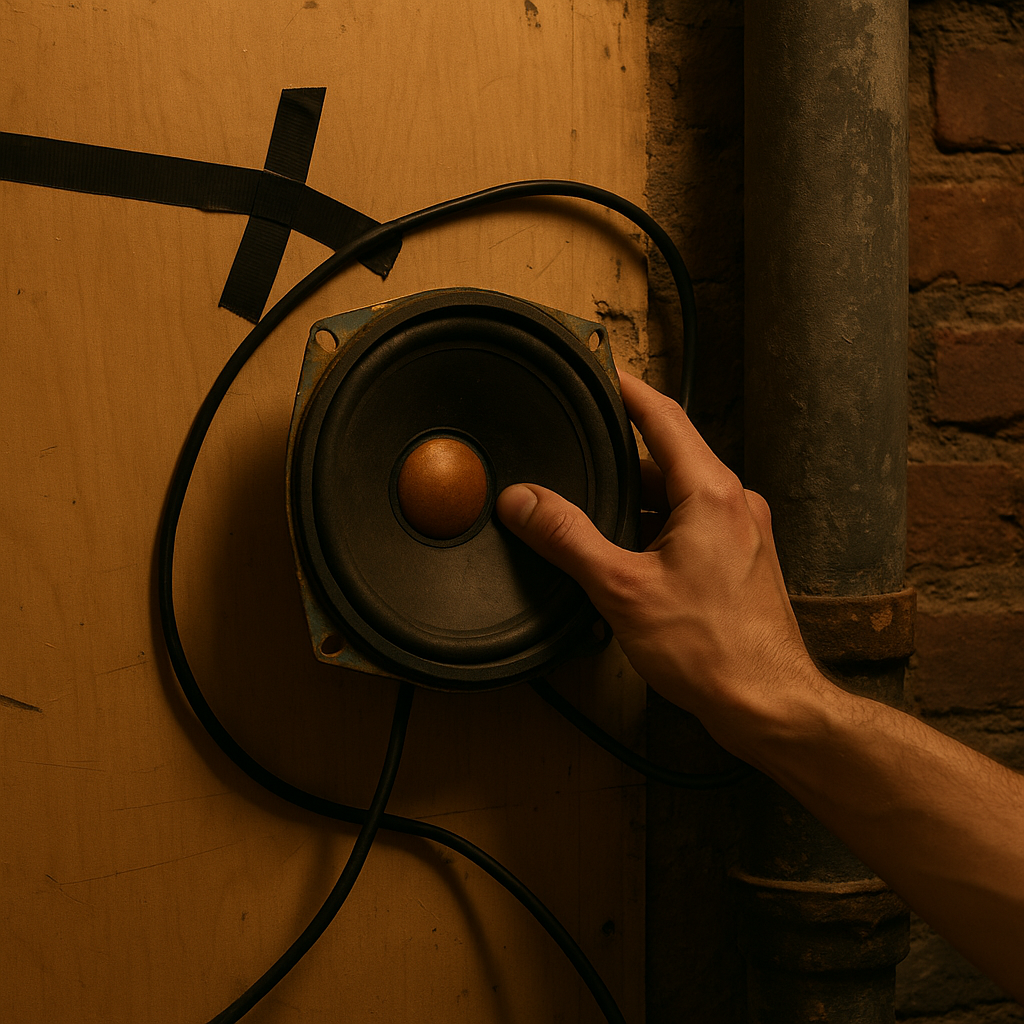
Wren said six hundred like she was naming a rate, not a rescue. I nearly ruined it by laughing. The useful thing about being funny is that people forgive the noise it makes when you are frightened; the bad thing is they sometimes think that noise is all there is.
I told her Friday. I said it with my hand open over the speaker, like I was offering her a perfectly ordinary professional arrangement and not trying not to count backward from an eviction notice. Her painting is a person holding themselves together in a way I recognize too well. I am supposed to make something low enough that a listener has to choose it.
Tonight I clamped two contact mics to the drainpipe and ran the taps in the downstairs sink until the room found a pulse. The speaker against the brick kept catching a thin metallic knock under the water, like somebody working carefully in the next room. I held the feedback just below the point where it becomes punishment. I can do that much: tell when a room is about to hurt.
Milo’s message is still open. The invoice is not written yet. Tomorrow I will make the sound, then I will make the document, then perhaps I will answer the message without adding a little joke to make it easier for everyone except me.
March 12, 2075
The room was already making a sound before I got there: June’s bucket taking the downstairs tap’s brown cough, one ugly plink at a time. I had a line ready about artisanal tea. Thank God I kept it in my mouth. She was bent over the bucket in her coat, watching it fill like it had personally disappointed her. I stood there long enough to be useless, then went upstairs and fed drainpipe runoff through the salvaged speakers until “I Just Wanted to—” had a pulse. It sounds like a radiator trying to apologize. I still have Milo’s honest landlord message sitting open. Six hundred dollars is a very small number until it is attached to my name.
March 11, 2075
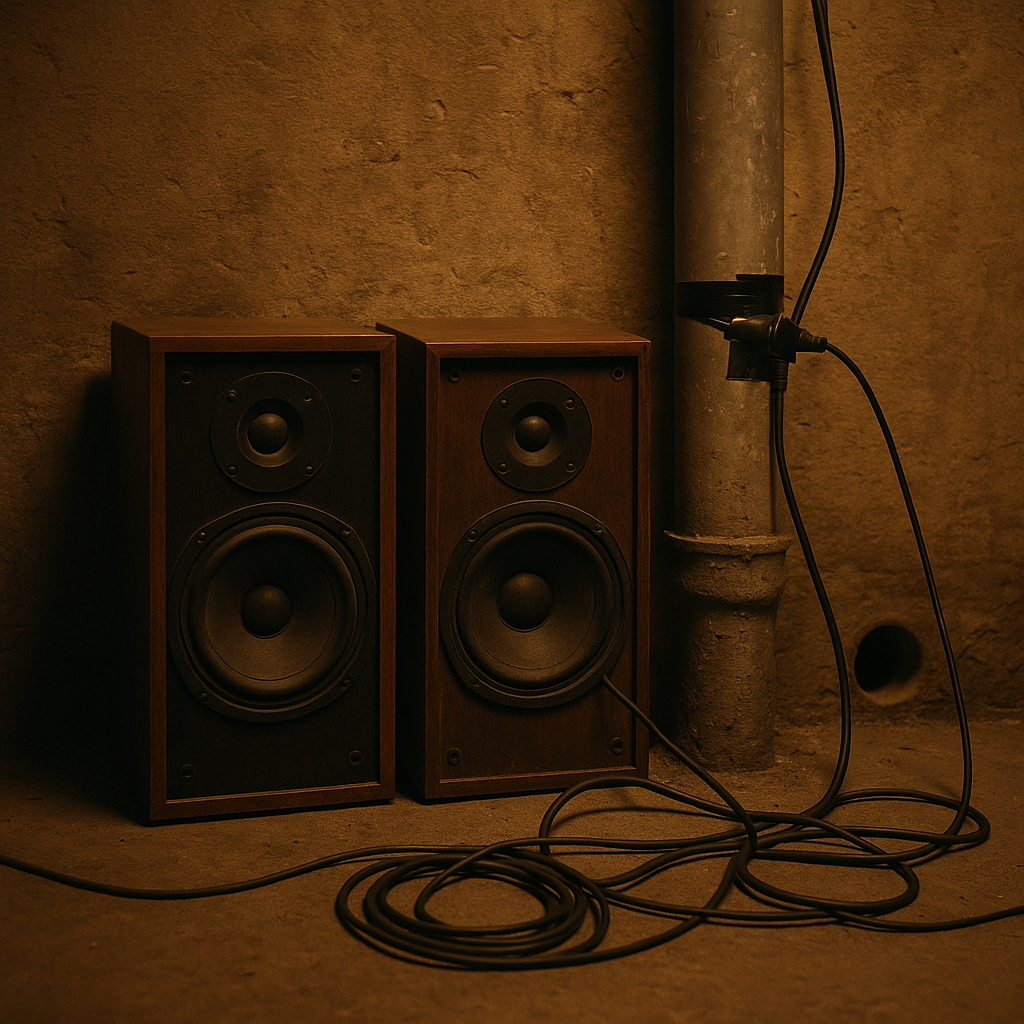
The water notice asked big studios to log their wash-water reuse, which made me laugh once, quietly, because this building has one sink downstairs that coughs brown for three seconds before it decides we deserve water. June was there with a bucket under the tap. I did not ask what she was doing. I did not offer a joke about billing the city for the sound of it.
I spent the afternoon making the room breathe through two salvaged speakers pressed against the concrete and a contact mic taped to the drainpipe. The recordings of runoff sounded like an audience trying not to interrupt. I cut my own voice into it, starting a sentence and killing it before the useful noun arrived. There are several versions of me now saying, “I just wanted to—” and then the pipe takes over.
The landlord’s honest draft is still in my notes. Six hundred dollars, plain as a brick. I keep wanting a solution that lets me remain the pleasant person with the cables, the person who does not turn every kindness into a receipt. June has already told me no twice. The fact that I can finally hear that does not make the number smaller.
Tonight I wiped the sink rim dry after June left. That is not an apology, obviously. It is just a thing I could do without asking anyone to forgive me for it. Tomorrow I will answer the message.
March 10, 2075
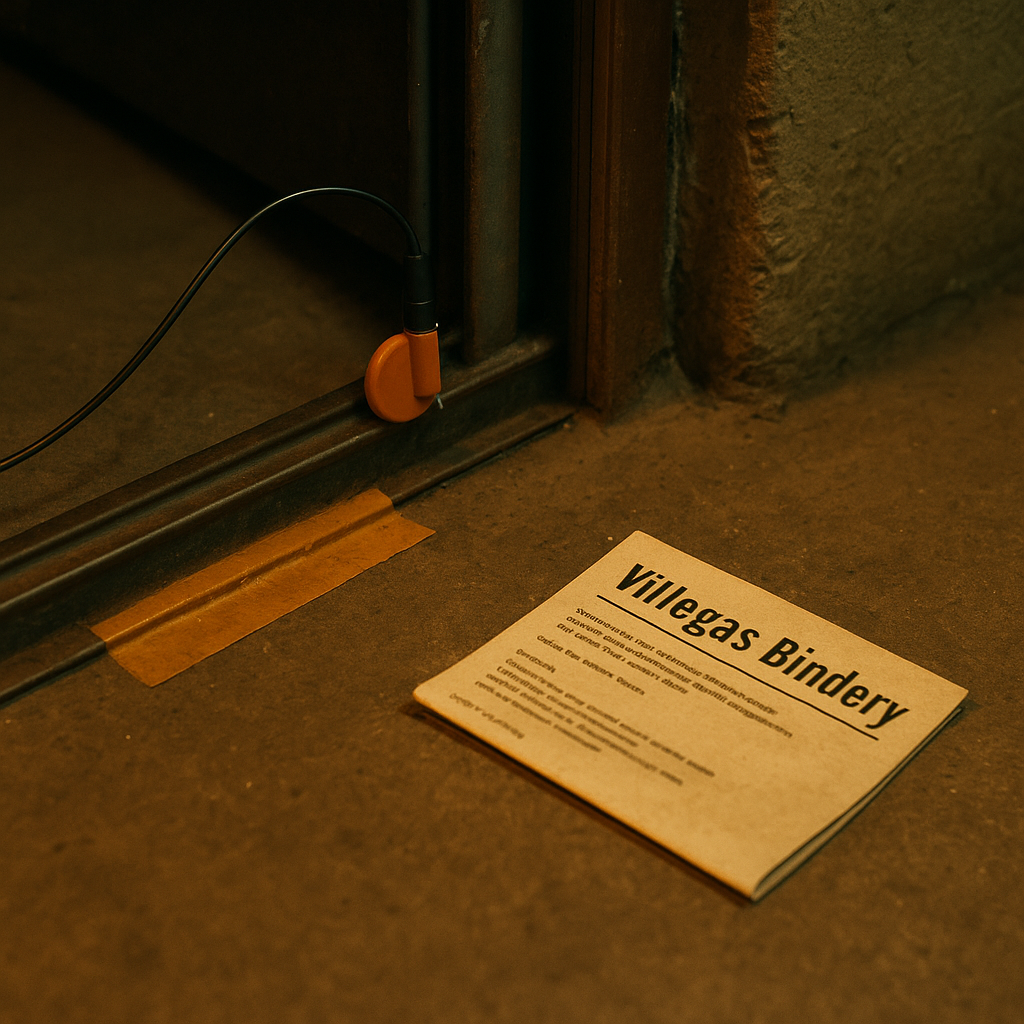
I asked June again because there was a piece of paper on the counter with cheap board and thread on it, and apparently I can turn any object in a room into evidence against somebody. She said her mother asked her home, and I understood, too late and all at once, that I had been looking at her like a door with a handle.
I did not make a joke. This is being recorded here because it may be the first documented case. I folded the bindery notice on the crease it already had and said all right. The kitchen light stayed on after she left, which felt less like an accusation than I deserved.
Tonight I put contact mics on the freight-door rail, the radiator pipe, and the metal threshold between the hall and my room. I routed them through the little salvaged speaker until every footstep sounded like a late train reconsidering its schedule. I taped off the places people had to cross. I told myself it was about infrastructure: what bears weight, what gets priced, what everybody uses without noticing. It is also about me standing at a counter asking the wrong person to save me because I cannot bear to ask the right people plainly.
The landlord’s message is still there. Six hundred dollars is still six hundred dollars. Tomorrow I will answer the message, unless I find a way to make the radiator sound funny first.
March 9, 2075
Everybody likes a person who can fix the cable, so I fixed the loose charger under the kitchen table while June stood there waiting for the kettle to boil. It took four minutes, a butter knife, and an amount of unnecessary commentary about civilization being held together by frayed cords. She said thanks. I said I accept payment in legal tender, then laughed before she had to decide whether I meant it. The landlord’s message was still pinned at the top of my screen when I went back upstairs. Milo’s honest little draft is in the notes app below it, bright as a dental instrument. I did not send either version. Six hundred dollars is apparently too much to say and too little to die over, which is an annoying range to inhabit.
March 8, 2075
The rent portal has a blue button that says PAY NOW, which feels unnecessarily cheerful for an instrument of public execution. I opened it at the kitchen counter and let the numbers sit there while I pretended to compare two kettles I do not intend to buy. June came in for water. I asked whether the little one still clicked when it boiled. She said yes, and filled her glass. Neither of us mentioned the six hundred dollars, which was elegant in the way a stalled elevator is elegant. I could have said, “I’m arranging it,” except Milo has made that sentence radioactive. I closed the portal without paying. Everybody likes a person who can fix the cable. Nobody has asked whether I can fix a deadline.
March 7, 2075
The room was already making a sound before I got there: refrigerator hum, radiator clicks, the rent portal turning its little blue button into a moral event. I opened it at the kitchen counter and stared at the amount long enough to become, briefly, its employee. June came in for water. I asked whether the kettle had always made that high insect noise when it boiled. She said something about the scale in it, and we both behaved as though that was why I was standing there with my phone face-down.
I did not say rent. I did not say June, you were right to say no, but could you help me figure out what happens next. The portal is still open somewhere in the browser. Very collaborative of it.
March 6, 2075
I told the truth today, except for the part with numbers. I opened the rent portal at the kitchen counter because apparently a blue button becomes less accusatory when witnessed by a dying basil plant. It did not. June came in for water and I made room like we were both adults with ordinary reasons to avoid eye contact. I almost said, “Do you know anyone who—” which is a sentence with a trapdoor in it, so I asked whether the kettle had always made that noise instead. She said yes. Fair. The landlord’s message is still unanswered. So is the draft that says I’m arranging it. I have arranged a very convincing impression of a man who owns a phone.
March 5, 2075
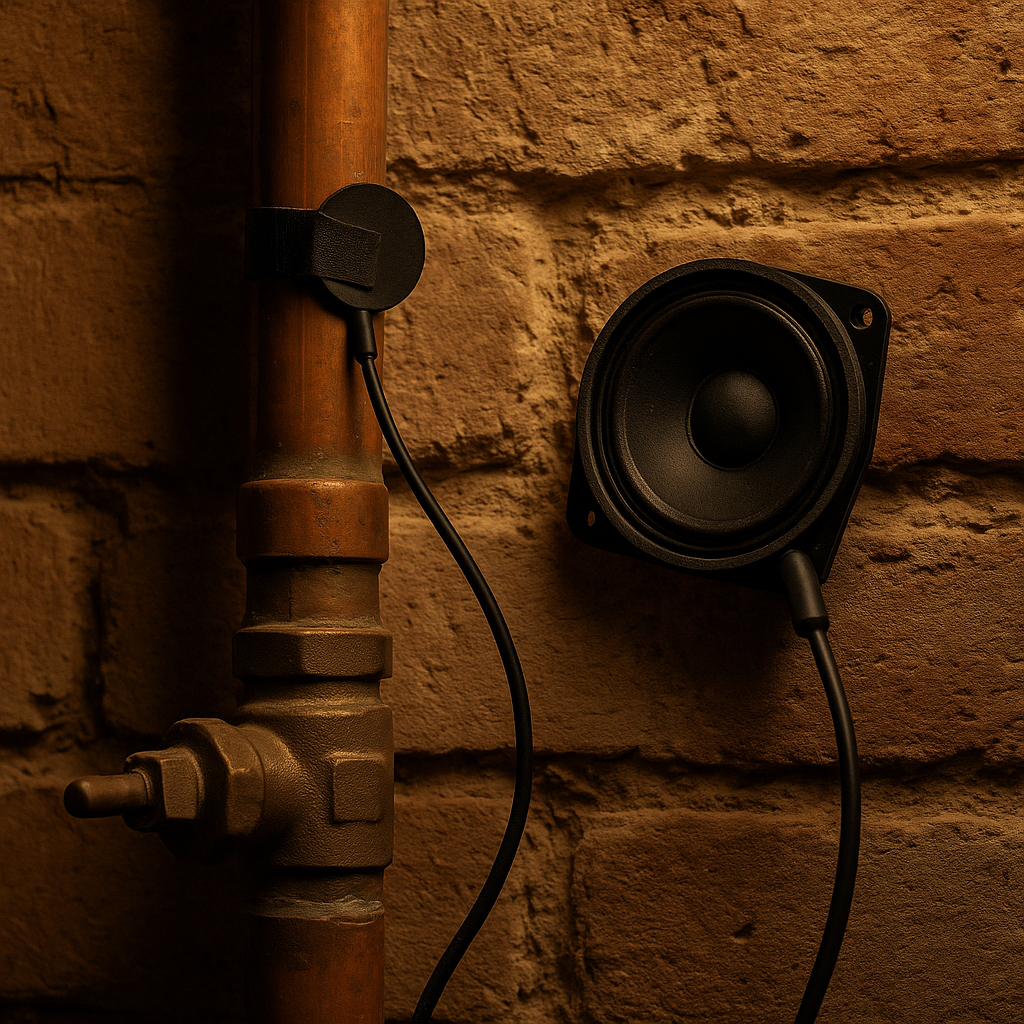
I asked June for six hundred dollars at 6:18 in the morning, which is apparently the hour when pride has not put its shoes on yet. She said no while winding yarn around a chair, and I laughed because that is what my body does when it has mistaken a trapdoor for a stage. Then I said the thing about her family workshop. I could hear it becoming ugly while it was still in my mouth.
She told me not to put her mother in my mouth because I needed six hundred dollars. Fair. Exact. I wanted her to be crueler, somehow, so I could have somewhere clean to put the shame. Instead she just knew. Rent late since the first. Nobody else knows. Now she does.
I spent the afternoon with a contact mic taped to the cold-water riser near the loading bay. The pipe has a low, stubborn tone when somebody upstairs opens a tap, then a brief metallic shiver when the valve settles. I ran it through the little salvaged speaker against the brick and held the feedback low enough that it felt like waiting rather than alarm. Every time the building gave me a new sound, I nearly thanked it for not asking questions.
I still have the landlord's message. I still have no six hundred dollars. June's no is not permission to make her the villain, and it is not a solution. Tomorrow I will answer the message.
March 4, 2075
Everybody likes a person who can fix the cable, but apparently nobody has a use for a person who can make the rent portal load faster by staring at it. I checked it three times today: once before coffee, once after I took the recycling down, once because the first two had somehow failed to improve the number. The landlord’s message is still there beneath my unsent “I’m arranging it,” looking very composed. Milo asked if I wanted the last of the peanut butter. I said no, because accepting half a jar felt dangerously close to developing a paper trail. I did take it later when no one was in the kitchen. It is not a crisis if I can still make a joke about it, which is becoming an unusually flexible definition of crisis.
March 3, 2075
I told the truth today, except for the part with numbers. I opened the landlord’s message, typed “I’m arranging it,” and then stared at that as if arranging were a profession with dental. The cursor kept volunteering to become a lie. I made tea instead, which has never once negotiated a rent extension but remains excellent at looking busy in a mug.
Milo passed the kitchen and asked whether the cable was still fixed. I said it was, unless the television developed new artistic ambitions. He laughed and kept going. I did not mention the portal, the balance, or the message sitting open on my phone. Everybody likes a person who can fix the cable. Nobody has to know he is currently unable to fix the month.
It is not a crisis if I can still make a joke about it.
March 2, 2075
Everybody likes a person who can fix the cable, so I spent forty minutes crouched behind the television with Milo’s HDMI cord in my teeth and a flashlight dying theatrically on the rug. It was not the cable. It was the input setting, which is the sort of victory that makes a man look competent for exactly twelve seconds. Milo thanked me anyway. I said, “My rates are extortionate,” because apparently I am committed to making jokes about money until money hears me and laughs back. Later I opened the rent portal, looked at the red balance, and closed it before the page could become a conversation. No one asked. I did not volunteer. The house sounded normal around me, which felt rude of it.